
Introduction — America’s Different Problem
When the United States was founded, its leaders faced the same question every large state faces:
How do you govern a vast territory without it tearing itself apart?
Unlike China or France, America didn’t answer with heavy centralization.
It chose federalism — and that choice was driven less by philosophy than by geography and circumstance.
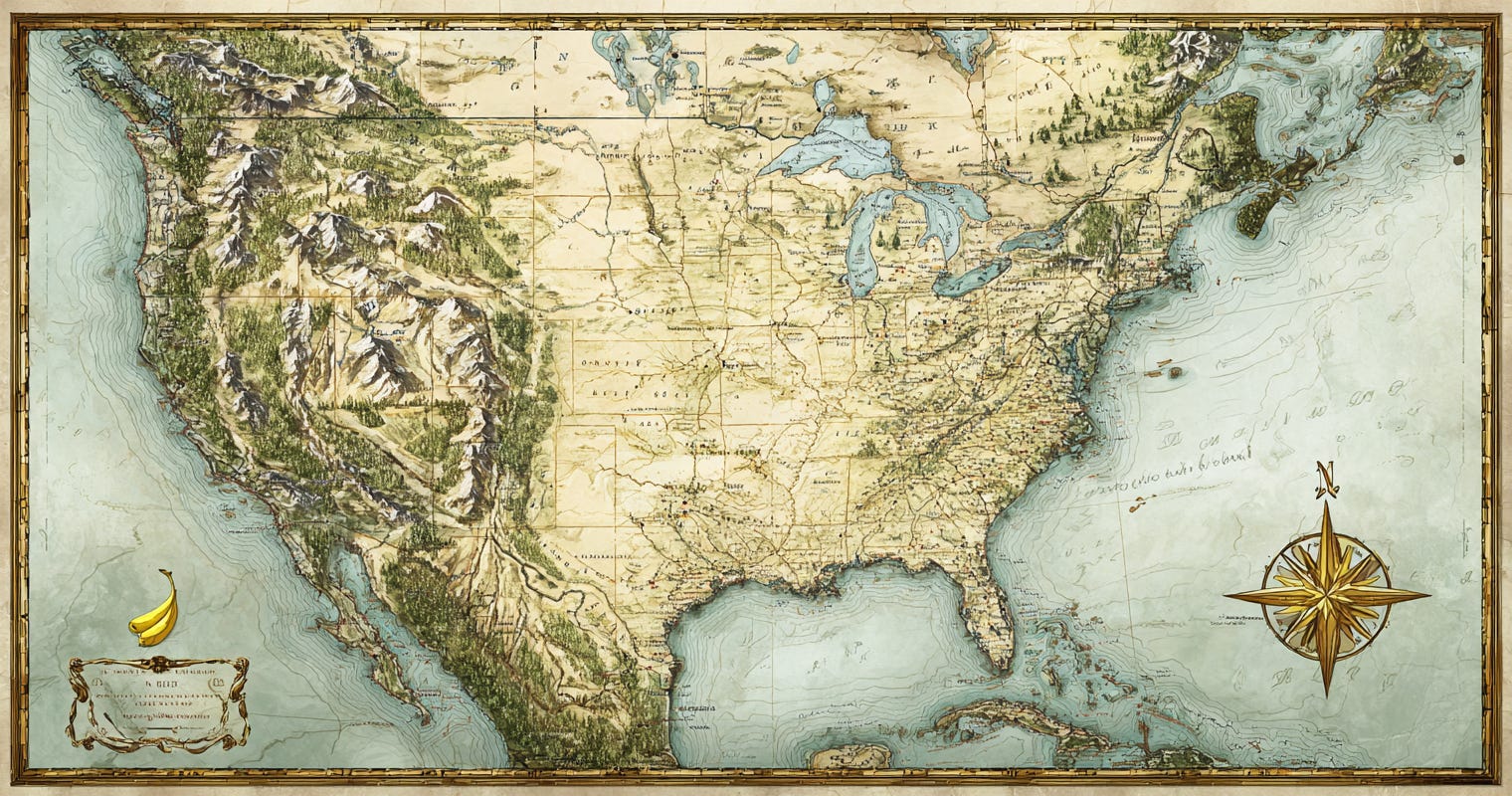
1. America’s Starting Conditions Were Unusual
At independence, the United States was:
enormous in land area
sparsely populated
separated by oceans
surrounded by weak neighbors
There was no ancient capital.
No dominant core region.
No long history of internal warlordism.
Centralization wasn’t solving an existing crisis — it risked creating one.
2. Distance Made Central Control Impractical
In the 18th century:
communication was slow
travel took weeks
infrastructure was limited
A highly centralized system would have been inefficient and brittle.
Local governance wasn’t ideological — it was practical.
Federalism allowed decisions to be made where conditions were understood.
