
Intro — They Survived Longer Than People Think
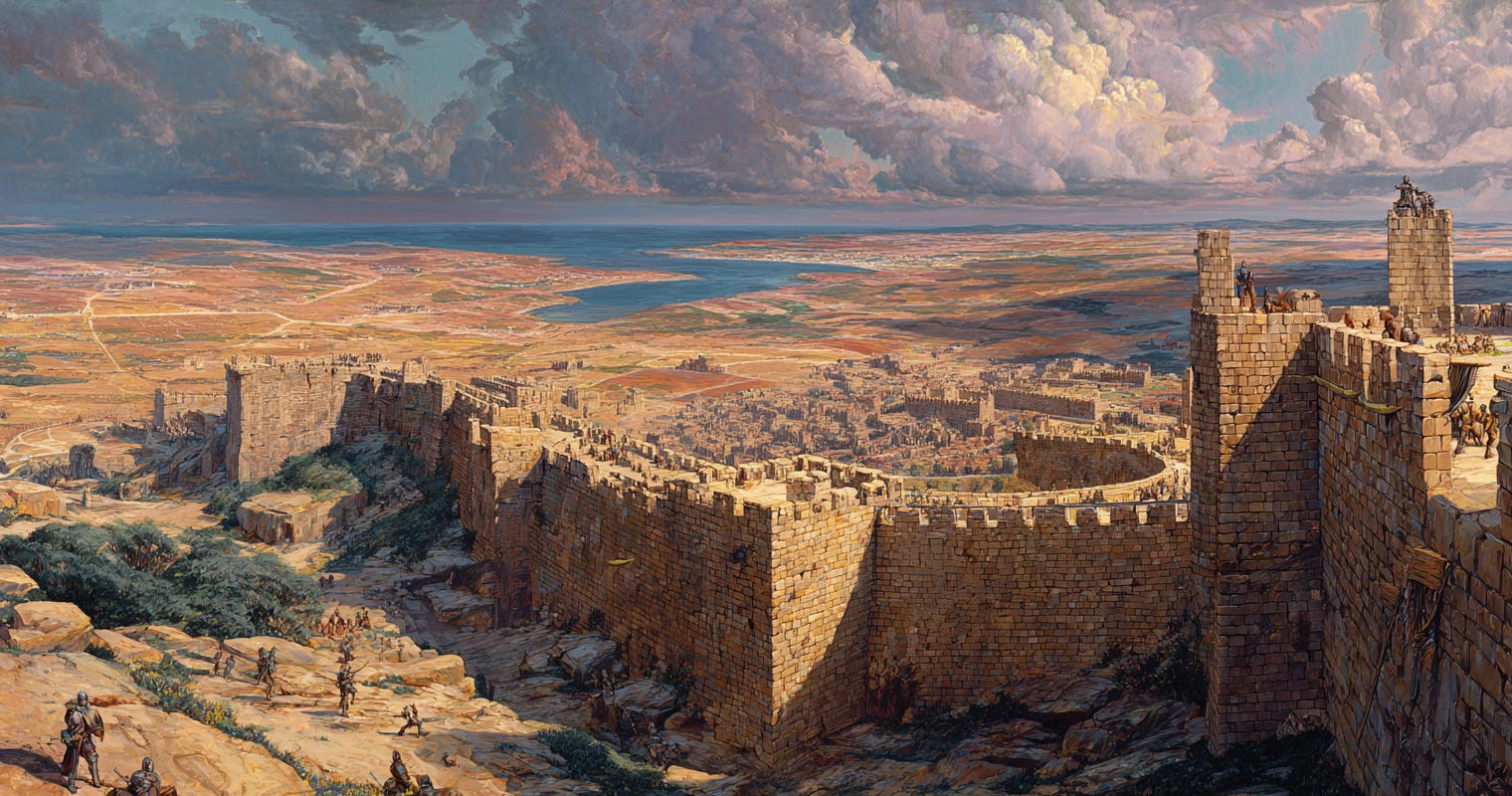
The Crusader States were not a brief historical accident.
From the capture of Jerusalem in 1099 to the fall of Acre in 1291, they survived for almost two centuries. They fought wars, built castles, negotiated alliances, and governed cities.
They were not constantly on the brink of collapse.
And yet, they still failed.
Not because of faith.
Not because of courage.
Not because Europe “lost interest.”
They failed because they were structurally unsustainable states.
1. A Demographic Problem That Never Went Away
Every successful state needs people.
The Crusader States never had enough.
Latin settlers were always a minority:
knights and nobles from Europe
merchants in coastal cities
religious orders in fortified enclaves
The majority population remained:
Muslim
Eastern Christian
culturally and linguistically distinct
Immigration from Europe was:
slow
irregular
dependent on crusading enthusiasm
States that rely on constant external migration are fragile. When that flow weakens, the system hollows out.
The Crusader States never solved this problem.
2. Geography Without Strategic Depth
Geography matters more than ideology.
The Crusader States occupied:
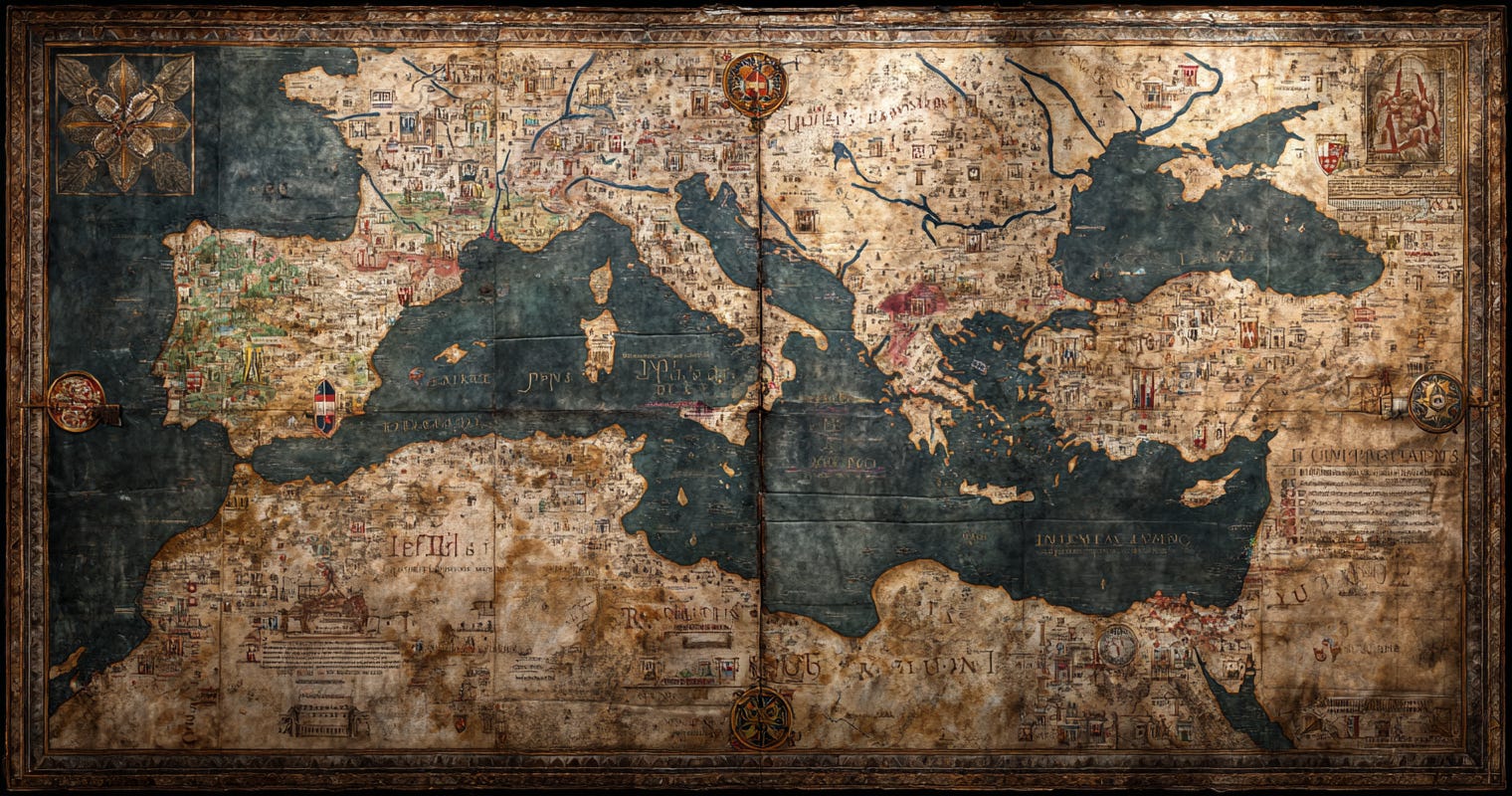
narrow coastal strips
isolated inland cities
long, exposed borders
They lacked:
defensible hinterlands
buffer zones
internal lines of communication
Losing one major city often meant exposing several others. A single defeat could cascade into collapse.
By contrast, their rivals could retreat, regroup, and return stronger.
3. Fragmented Politics and Chronic Rivalries
The Crusader States were never unified.
They were divided into:
the Kingdom of Jerusalem
the County of Tripoli
the Principality of Antioch
the County of Edessa
These states:
competed for resources
feuded over succession
fought each other
There was no permanent unified command.
In moments of crisis, coordination depended on personalities — not institutions. That is a fatal weakness in long-term conflict.
4. Dependency on Europe
The Crusader States survived on external support:
reinforcements
money
legitimacy
But Europe’s priorities were never stable.
Crusades were:
episodic
politically fragmented
vulnerable to shifting interests
European kings fought each other more often than they helped Outremer.
A state that requires rescue from across continents is not a state — it is a forward military position.
5. Muslim Political Consolidation Changed Everything
Early Crusader success benefited from Muslim fragmentation.
That did not last.
Leaders like:
Zengi
Nur ad-Din
Saladin
the Mamluks
gradually unified power, centralized taxation, and coordinated military response.
The Crusader States did not adapt at the same pace.
Their enemies became states.
They remained garrisons.
6. The Egypt Question — The One Path That Might Have Changed Things
If there was one strategic alternative that could have altered the balance, it was Egypt.
Egypt was the real power center of the eastern Mediterranean.
It offered:
the largest population base
enormous agricultural wealth via the Nile
strong tax revenue
control of Red Sea and Mediterranean trade
Jerusalem was symbolically important.
Egypt was strategically decisive.
The Crusaders knew this.
They repeatedly attempted to take Egypt:
during the Second Crusade
under King Amalric of Jerusalem
during the Fifth Crusade
under Louis IX
Every attempt failed.
7. Why Egypt Was So Hard to Hold
Egypt was not an empty prize.
It was:
densely populated
bureaucratically sophisticated
centrally administered
Holding Egypt required:
state capacity
taxation systems
large standing forces
The Crusaders excelled at:
battlefield combat
fortification
seizing cities
They struggled with:
governing large populations
maintaining deep logistics
sustaining power far from coastal bases
Even if Egypt had been taken, it would have delayed collapse, not prevented it.
Foreign military elites ruling a massive local population rarely endure without assimilation or overwhelming numbers.
8. The Core Failure — They Never Became Real States
The deeper problem wasn’t target selection.
It was state-building.
The Crusader States:
never unified politically
never integrated local populations
never reduced dependence on Europe
never built durable institutions
They functioned as military societies, not civil ones.
That can work for decades.
It rarely works for centuries.
Conclusion — Why the Crusader States Were Doomed
The Crusader States did not fail because they chose Jerusalem over Egypt.
They failed because they never solved the fundamentals of statehood:
population
legitimacy
institutions
strategic depth
Egypt could have made them richer.
It could not have made them sustainable.
History is unforgiving to states that rely on faith, fortresses, and foreign rescue instead of people, institutions, and integration.
The Crusader States survived longer than expected.
They still could not escape the logic of history.
FAQ — Crusader States
How long did the Crusader States last?
Nearly 200 years, from 1099 to 1291.
Was religion the main reason for failure?
No. Structural and institutional weaknesses mattered far more.
Would conquering Egypt have saved them?
It might have delayed collapse, but not prevented it.
Why were Muslim states eventually successful?
They centralized power, taxation, and military coordination.
What is the main lesson of the Crusader States?
Military success without state capacity rarely endures.