
Introduction — When Distance Stopped Being a Barrier
Before railways, landlocked regions were trapped by distance.
Moving goods over land was slow, expensive, and limited in scale.
Cities far from rivers or ports faced permanent economic ceilings.
Railways changed that.
They did not replace shipping —
they extended it inland.
Railways turned continents into markets.
1. Railways Made Inland Economies Viable
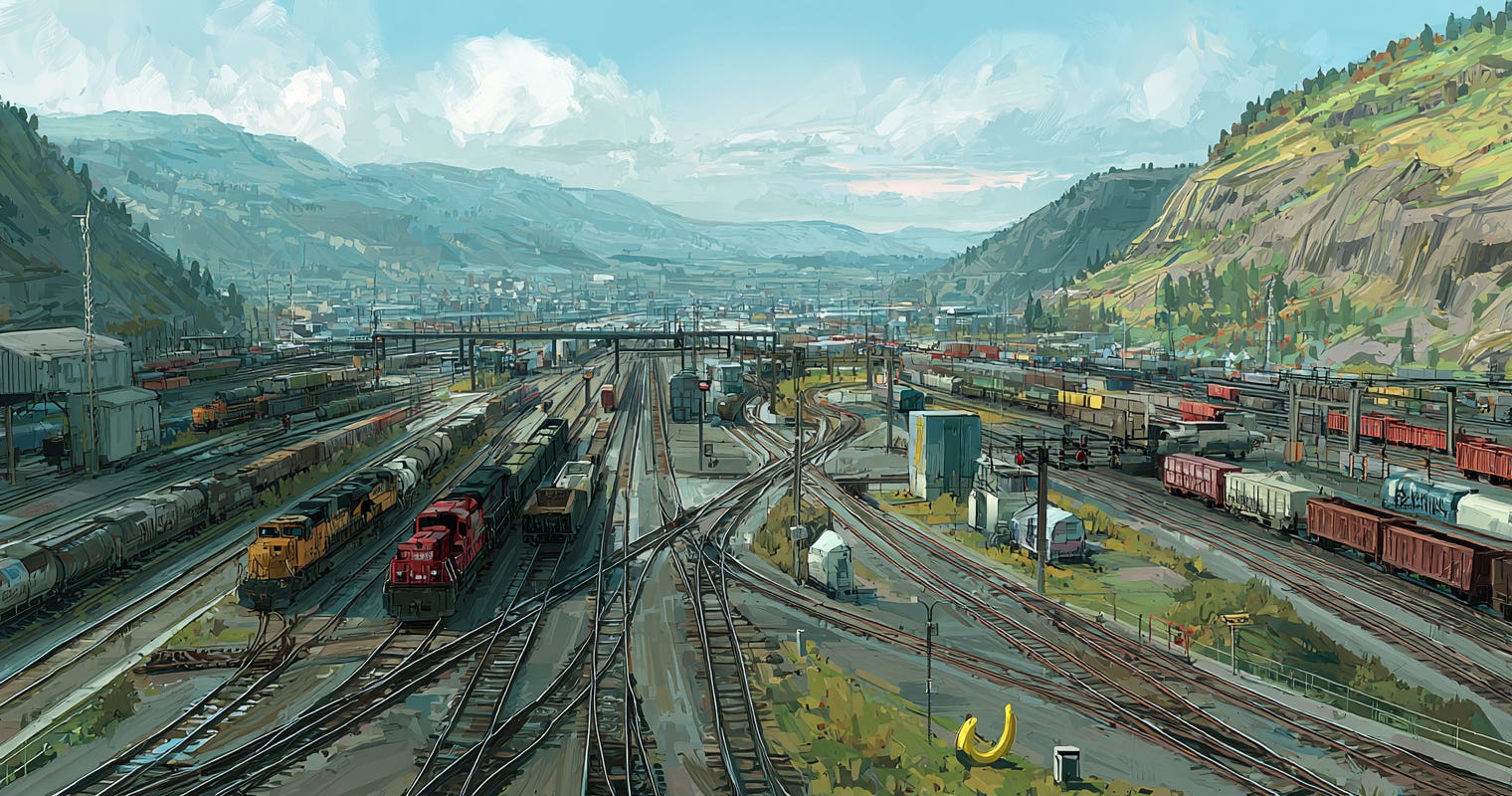
Water remained the cheapest transport, but railways made it possible to move goods to and from water efficiently.
This mattered because:
most land is not coastal
populations were expanding inland
agriculture and resources sat far from ports
Railways linked farms, mines, and factories to global trade.
They turned geography from a constraint into an asset.
2. Chicago: The Classic Railway City
Chicago did not sit on the Atlantic.
It became rich anyway.
Why?
Because it sat at the intersection of:
rail lines
inland waterways
agricultural heartlands
Railways allowed Chicago to:
collect grain
process meat
distribute goods nationally
Without rail, Chicago would have been regional.
With rail, it became continental.
3. Railways Unified Large States
Railways were not just economic tools.
They were political ones.
Large states used rail to:
integrate distant regions
move troops
collect taxes
enforce authority
This mattered enormously for:
the United States
Russia
India
China
Railways turned territory into governable space.
4. Russia and India: Rail as State Survival
Russia’s vast distances made control difficult.
Railways:
linked European Russia to Siberia
enabled resource extraction
supported military logistics
India’s railways:
unified fragmented regions
connected interior agriculture to ports
enabled large-scale trade
In both cases, rail did not make states rich overnight —
but without it, scale would have been impossible.
5. Rail vs Shipping: Complement, Not Replacement
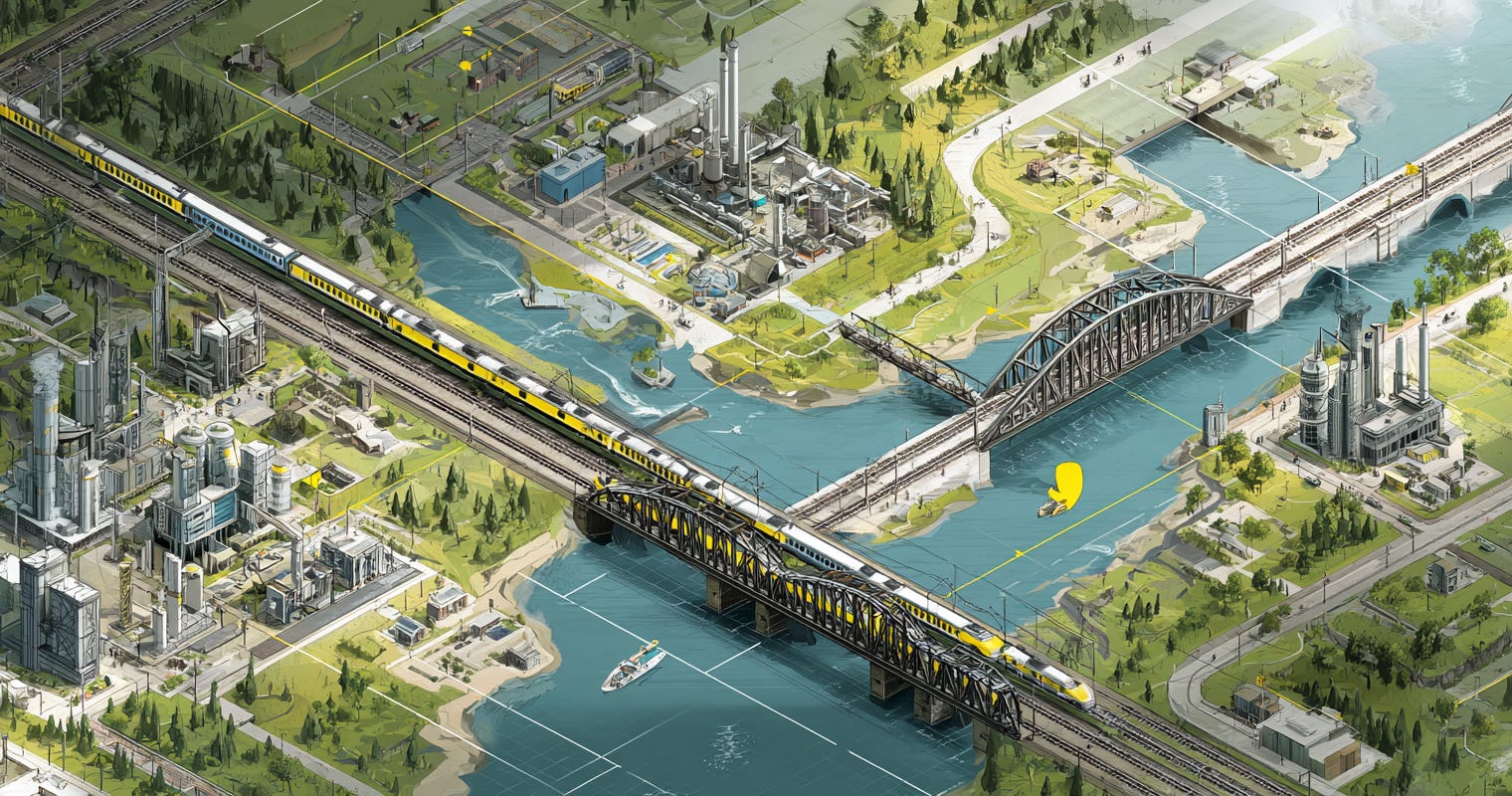
Railways never beat ships on cost.
They beat roads.
Their power came from:
speed
reliability
volume
Rail moved goods:
from inland to ports
between inland cities
across continental distances
Shipping ruled oceans.
Railways ruled land.
Modern economies need both.
6. Why Railways Didn’t Save Everyone
Rail alone is not enough.
Regions without:
ports
navigable rivers
access to global trade
still faced limits.
This is why many rail-connected inland regions grow —
but do not dominate.
Rail extends opportunity.
Shipping sets the ceiling.
Conclusion — Steel Tracks, Real Power
Railways transformed history by shrinking distance.
They allowed:
inland cities to rise
states to govern at scale
economies to integrate
They did not replace geography —
they worked with it.
Ports create wealth.
Railways decide how far that wealth can reach.
❓ FAQ
Why were railways so important to industrialization?
They lowered land transport costs and connected inland production to markets.
Did railways replace shipping?
No. Railways complement shipping by extending trade inland.
Why did some rail-connected regions still struggle?
Without access to ports or global trade, scale remained limited.
Are railways still important today?
Yes. Modern logistics still rely heavily on rail for bulk transport.