
May 13 2026
Intro — Mexico Didn’t Fail to Try
Mexico is often described as a country that “never industrialized.”
That isn’t true.
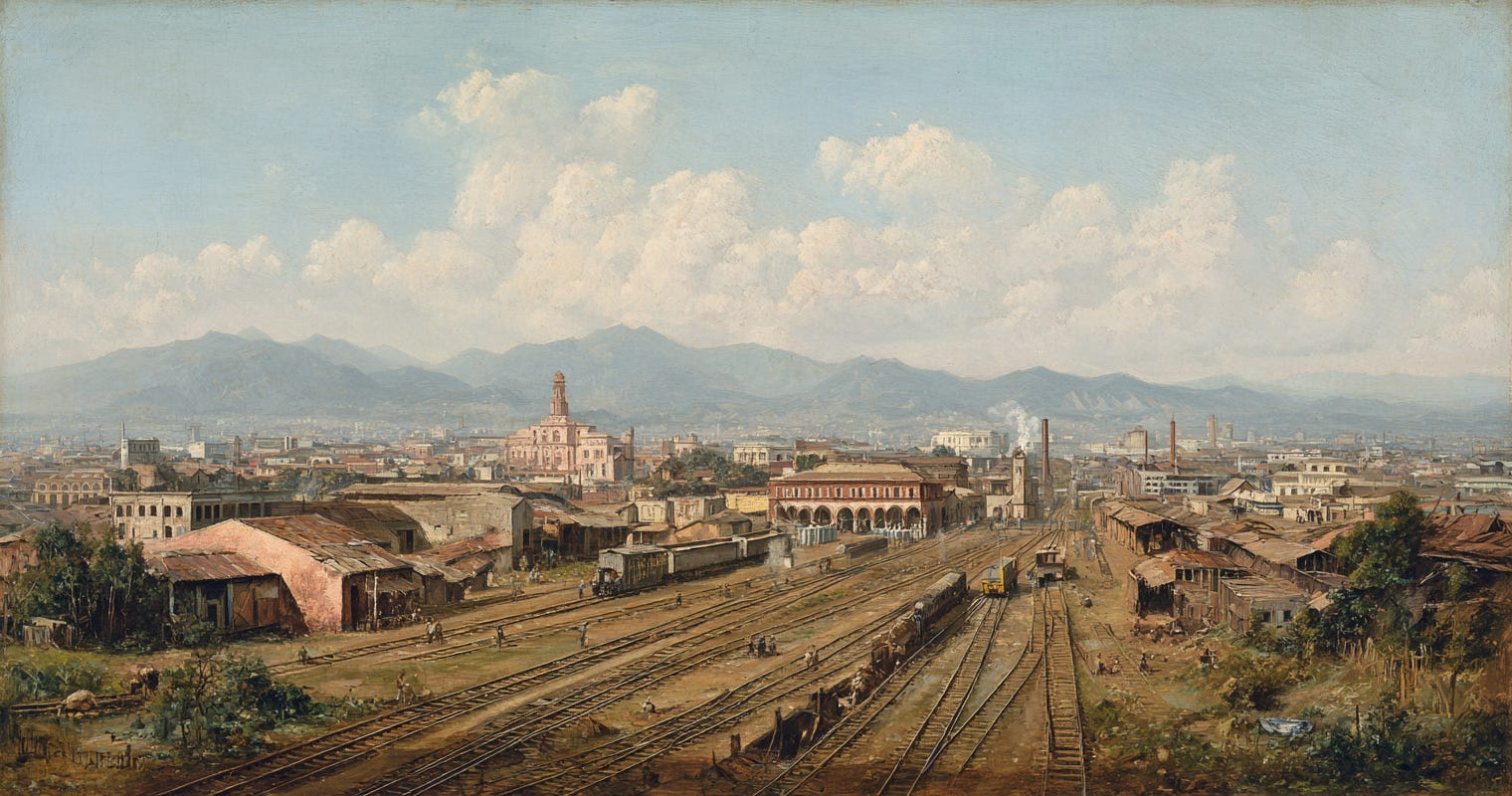
Mexico industrialized multiple times — but never long enough for growth to compound. Each time momentum built, political instability or structural breakdown reset the system.
The problem wasn’t effort.
It was continuity.
1. Chaos After Independence — Coups, Strongmen, and Endless Resets
Mexico’s early problem was not lack of ambition — it was chronic political instability.
After independence, Mexico experienced one of the most chaotic leadership cycles in modern history.
The most extreme example was Antonio López de Santa Anna.
Santa Anna:
served as president 11 times (depending on how counted)
ruled intermittently between 1833 and 1855
repeatedly returned to power through coups, exile, and military backing
No long-term economic policy could survive leadership this unstable.
Each regime:
overturned previous laws
purged rivals
reset economic priorities
frightened off capital
Mexico never accumulated institutional memory.
Political instability didn’t end with Santa Anna.
Even reformist leaders reinforced the pattern.
Benito Juárez, often remembered as a liberal modernizer, ruled for:
nearly uninterrupted terms from 1858 to 1872
He repeatedly:
extended emergency powers
postponed elections
justified continuity through crisis
Juárez brought reform — but he also normalized the idea that leaders could bend institutions to stay in power.
By the time Porfirio Díaz rose, Mexico had already learned a dangerous lesson:
Stability mattered more than process.
Díaz didn’t invent authoritarian continuity —
he institutionalized what decades of coups had already taught.
2. Porfirio Díaz — Order First, Growth Second
Porfirio Díaz (1876–1911) imposed what Mexico lacked: order.

Under Díaz:
railroads expanded rapidly
mining and exports grew
foreign capital flowed in
early manufacturing emerged
This was real industrialization.
But it came with severe tradeoffs:
repression
land concentration
exclusion of rural and indigenous populations
Growth existed.
Legitimacy did not.
Mexico industrialized — but only for a narrow elite.
3. The Mexican Revolution — Resetting the System Again
The Mexican Revolution destroyed Díaz’s regime.
It also destroyed:
investor confidence
infrastructure
elite continuity
institutional memory
Revolutions do not just remove rulers — they erase systems.
Mexico had to start over.
Again.
4. Díaz vs the Maximato — What Was Different
This comparison explains why industrialization never stuck.
Porfirio Díaz
prioritized stability
welcomed foreign capital
allowed private accumulation
tolerated inequality for growth
➡ Result: economic momentum, fragile legitimacy
The Maximato (Calles era, 1928–1934)
prioritized political control
centralized authority through the state
distrusted private elites
embedded patronage and corruption
➡ Result: political stability, weak growth incentives
Díaz built growth without inclusion.
The Maximato built inclusion without growth.
Mexico never aligned both.
5. Federalism on Paper, Centralization in Reality
Mexico is formally a federal republic.
In practice:
power is centralized
states depend on federal transfers
tax collection is weak
accountability is diluted
This produces:
uneven infrastructure
stalled regional development
limited local experimentation
Industry struggles when authority and responsibility don’t align.
6. Modern Mexico — Growth With Structural Friction
Modern Mexico has:
advanced manufacturing
integration into global supply chains
trade access through NAFTA/USMCA
But it also carries heavy structural costs:
corruption
weak rule of law
informal employment
uneven productivity
Mexico grows — but lacks escape velocity.
7. Cartels — The Hidden Tax on Industrialization
One problem increasingly defines modern Mexico: cartels.
Cartels:
distort local economies
raise security costs
deter investment
undermine state authority
This acts as a hidden tax on industry.
Factories, logistics firms, and entrepreneurs must factor in:
extortion
insecurity
unpredictable enforcement
No industrial economy compounds smoothly under persistent internal violence.
8. Why Gen Z Is Protesting Now
Gen Z protests are not about history.
They’re about stagnation.
Young Mexicans face:
rising housing costs
low wages
insecure employment
limited upward mobility
Many believe the current government is not doing enough to:
control cartels
improve institutions
restore growth momentum
Mexico modernized — but not enough to deliver broad prosperity.
That gap fuels frustration.
Conclusion — Mexico’s Problem Wasn’t Vision
Mexico didn’t lack resources.
It didn’t lack ambition.
It didn’t lack opportunity.
It lacked institutional continuity.
Santa Anna normalized chaos.
Juárez normalized extensions.
Díaz imposed order without inclusion.
The Maximato imposed control without growth.
Industrialization requires stability and legitimacy at the same time.
Mexico never sustained both long enough for progress to compound.
FAQ — Mexico and Industrialization
Did Mexico ever industrialize?
Yes — especially under Porfirio Díaz, but growth was interrupted repeatedly.
How many times did Santa Anna rule Mexico?
Approximately 11 times between 1833 and 1855.
Why did the Mexican Revolution hurt development?
It destroyed capital, confidence, and institutional continuity.
Why do cartels affect industrial growth?
They raise costs, deter investment, and weaken state authority.
Why are Gen Z protests rising now?
Stagnant wages, insecurity, and unmet expectations collide.
The entire world has been dragged behind,
through the worldwide city of london false currency.
Mexico probably does more manufacturing then usa does,
but the actually productive remain in poverty.
Because of international false currency usury.