
INTRO — SAME ERA, DIFFERENT OUTCOMES
In the mid-19th century, Japan and Qing China faced the same crisis.
Western powers arrived with steamships, modern armies, and industrial economies.
Both states were forced open.
Both were humiliated.
But by 1900:
Japan had become a modern imperial power
China had fallen into decline, fragmentation, and semi-colonial status
This divergence was not about intelligence, culture, or effort.
It was about institutions, incentives, and urgency.
A MINORITY EMPIRE THAT COULDN’T RISK CHANGE
Qing China was ruled by a Manchu minority governing a vast Han majority.
That mattered.
Every major reform risked:
elite rebellion
ethnic unrest
loss of legitimacy
Stability mattered more than efficiency.
Japan, by contrast, was majority-ruled.
Its elites could be overthrown without dissolving the state.
The Meiji Restoration replaced leadership — not the nation itself.
THE TREATY OF SHIMONOSEKI: PROOF THAT MODERNIZATION WORKED
Japan did not modernize gradually.
It modernized under pressure — and then under victory.
The Treaty of Shimonoseki (1895) followed Japan’s decisive defeat of Qing China.
China was forced to:
recognize Korean independence
cede Taiwan
pay massive indemnities
For Japan, this was confirmation.
Modern armies, railroads, industry, and centralized command had allowed a smaller nation to defeat a much larger empire.
Modernization was no longer theoretical.
It worked.
ZAIBATSU VS CONFUCIAN CONTEMPT FOR MERCHANTS
Japan embraced merchants.
The Meiji state actively supported zaibatsu — large industrial and financial conglomerates — because it understood a simple rule:
Industry wins wars.
Merchants were elevated, not distrusted.
Profit was treated as strategic, not shameful.
Qing China inherited a Confucian worldview that looked down on merchants.
Commerce was tolerated, taxed, and controlled — but rarely empowered.
As a result:
private capital stayed cautious
industry lagged
the state lacked industrial partners
Japan partnered with capital.
China restrained it.
CORRUPTION THAT HOLLOWED OUT REFORM
Qing China attempted military modernization on paper.
In practice, corruption undermined it completely.
Funds intended for naval reform were diverted — infamously leading to battleships filled with sand instead of live ammunition.
This was not symbolic decay.
It was operational failure.
Japan enforced reform ruthlessly.
China tolerated sabotage.
A NAVY THAT REFUSED TO FIGHT TOGETHER
The Qing technically possessed multiple modern fleets.
But they were:
regionally loyal
politically fragmented
unwilling to support one another
During wars against Japan and France, Qing fleets refused to assist each other, fearing loss of regional power.
Japan’s navy was:
unified
centrally commanded
nationally loyal
Modern warfare punishes fragmentation.
Japan learned this early.
China learned it the hard way.
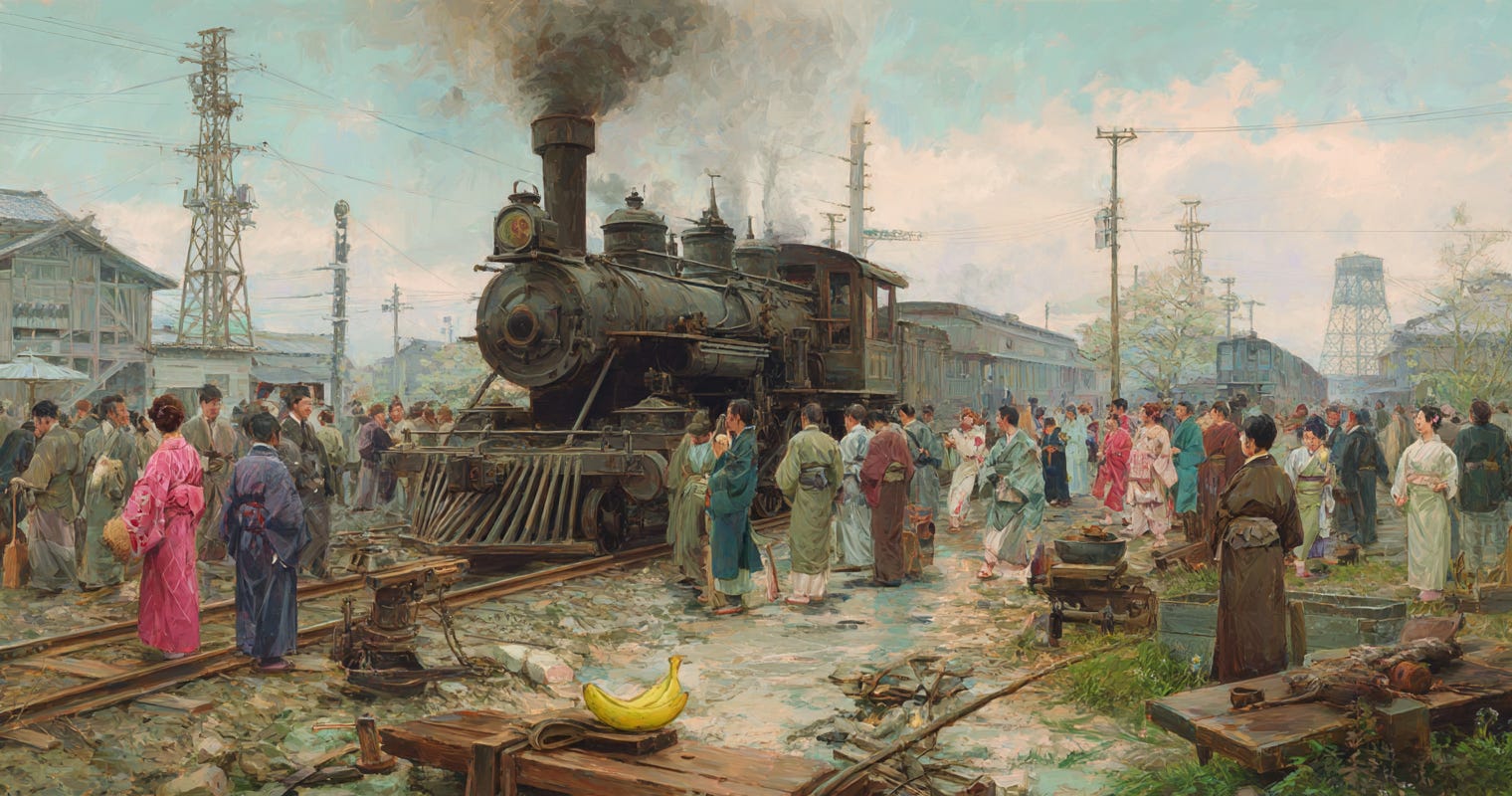
RAILROADS: THE DIFFERENCE BETWEEN STATES AND EMPIRES
Japan built railroads aggressively.
Railways:
moved troops
integrated markets
centralized authority
accelerated industrial growth
Qing elites feared railroads.
They worried about:
social disruption
loss of regional control
traditional beliefs
As a result, rail construction stalled.
Japan moved at industrial speed.
China moved at bureaucratic speed.
REFUSING TRADE — AND THE ROAD TO OPIUM
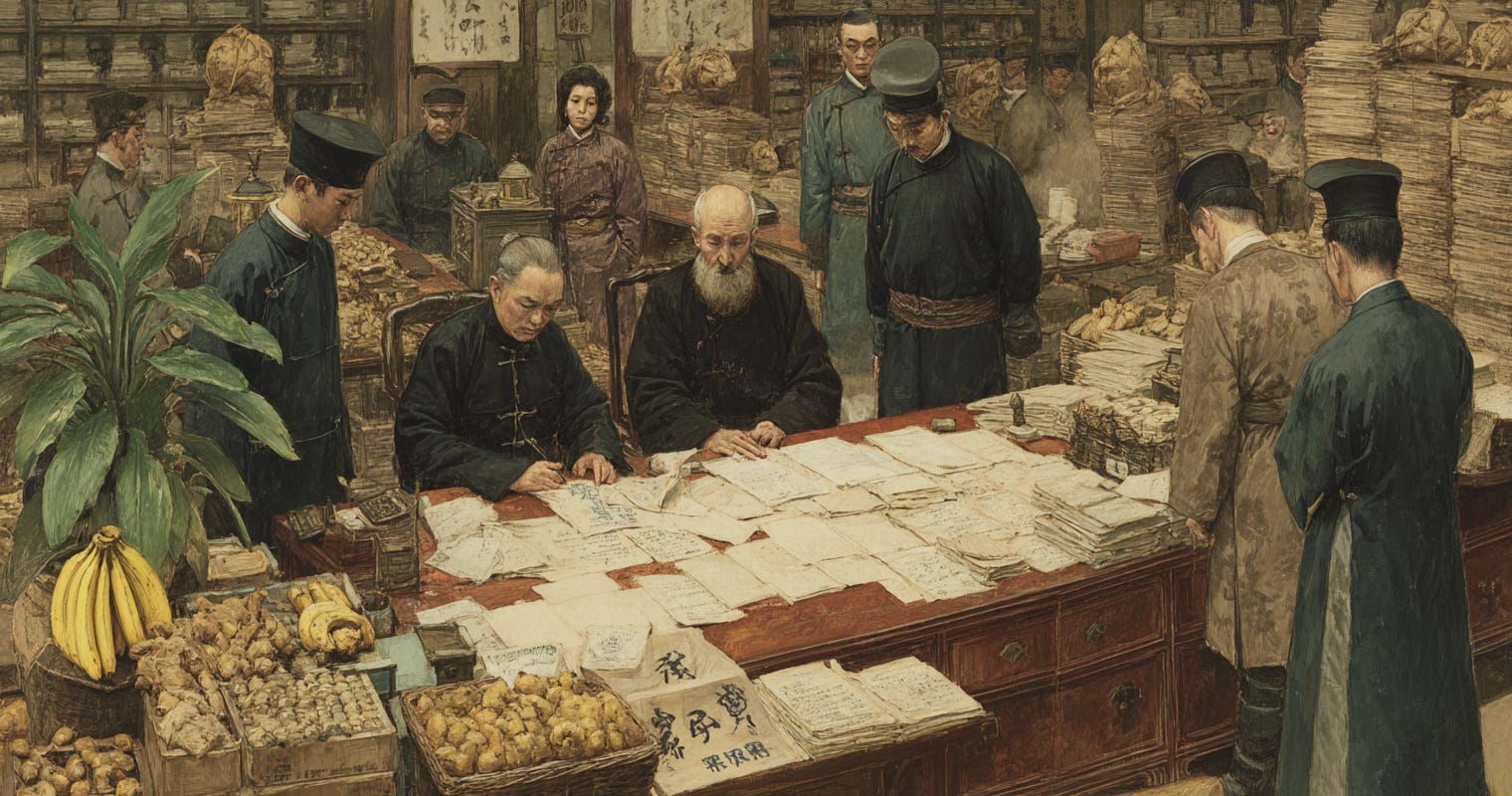
Qing China did not seek to dominate global trade.
It sought to restrict and control it.
This refusal produced:
smuggling
foreign coercion
the Opium Wars
When trade is blocked, it does not disappear — it becomes weaponized.
Japan learned from China’s humiliation.
It opened selectively, industrialized rapidly, and negotiated from strength.
China resisted — and was forced open at gunpoint.
WHY JAPAN WON THE MODERNITY RACE
Japan modernized because:
elites could be replaced
merchants were empowered
industry was respected
railroads unified the state
the military was centralized
corruption was punished
defeat created urgency
China struggled because:
a minority elite feared reform
merchants lacked status
corruption hollowed institutions
the military was fragmented
railroads were resisted
trade was restricted
Modernization is not about genius.
It is about who bears the cost of change — and who benefits from delay.
CONCLUSION — THE COST OF WAITING
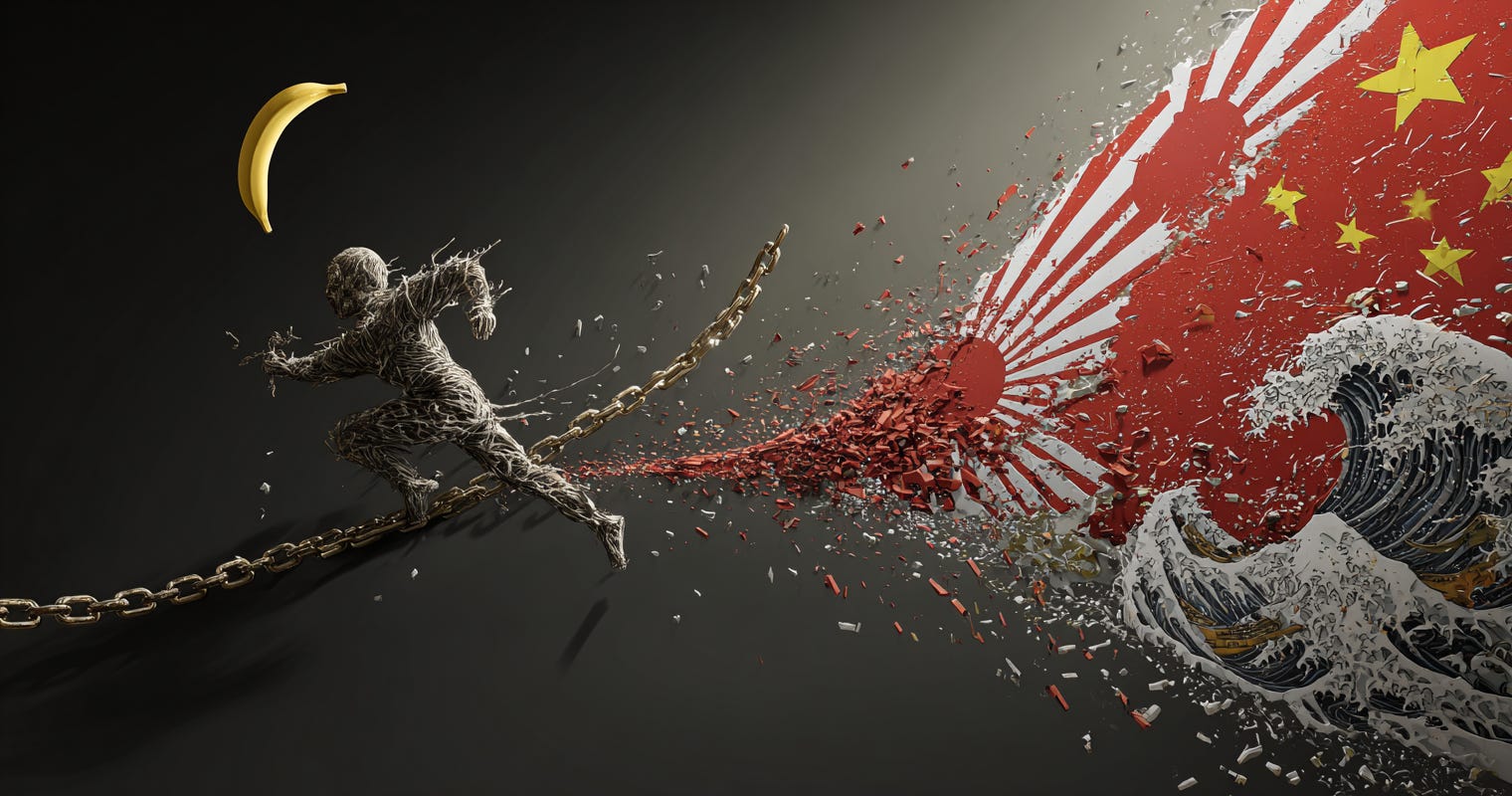
Japan chose pain early.
China chose stability — until stability collapsed.
History does not reward the most ancient civilizations.
It rewards those willing to remake themselves before they are forced to.
⭐ FAQ — JAPAN & CHINA MODERNIZATION
Q: Was Japan more advanced than China culturally?
No. China was arguably more sophisticated pre-1800.
Q: Did Japan copy the West?
Yes — deliberately and selectively.
Q: Could China have modernized earlier?
Yes, but elite resistance slowed reform.
Q: Was colonialism the main reason?
It accelerated decline but did not cause failure.
Q: Why does this still matter today?
Modernization depends on incentives, not ideology.