

Empires fall.
Governments collapse.
Ideologies rise, clash, and burn out.
But the roads remain.
This is one of the most consistent patterns in history:
infrastructure survives long after the ideas that built it disappear.
Kings are forgotten.
Revolutions rewrite constitutions.
Flags change.
Yet ports still move goods, railways still move people, and power grids still hum.
1. Ideologies Are Temporary. Infrastructure Is Not
Ideologies are arguments about how society should work.
Infrastructure is how society actually works.
Political systems change quickly:
monarchies fall
republics rise
revolutions overturn regimes
Infrastructure operates on a different timeline.
Roads, bridges, ports, canals, railways, and power networks are:
expensive to build
slow to replace
indispensable once in place
Once constructed, they become harder to destroy than to use.
2. Empires Built Infrastructure for Control — and Lost Control Anyway
Historically, large states built infrastructure to:
extract resources
move armies
collect taxes
control territory
But infrastructure does not obey ideology.
Once a road exists, anyone can use it.
Once a port functions, trade will flow through it — regardless of who governs.
This is why successor states often inherit the physical skeletons of empires:
roads
rail lines
canals
administrative cities
The builders vanish.
The systems remain.
3. Colonial Infrastructure and the Problem of Inheritance
In many parts of the world, infrastructure built under colonial rule still forms the backbone of modern economies.
Not because colonialism was benevolent —
but because infrastructure lasts longer than political legitimacy.
Newly independent states inherited:
railways designed for extraction
ports built for export
power systems centralized for control
The challenge was never simply “ownership.”
It was maintenance, incentives, and expansion.
Infrastructure does not maintain itself.
Without institutional continuity, even well-built systems decay.
4. Why Infrastructure Shapes Economies Long After Politics Ends
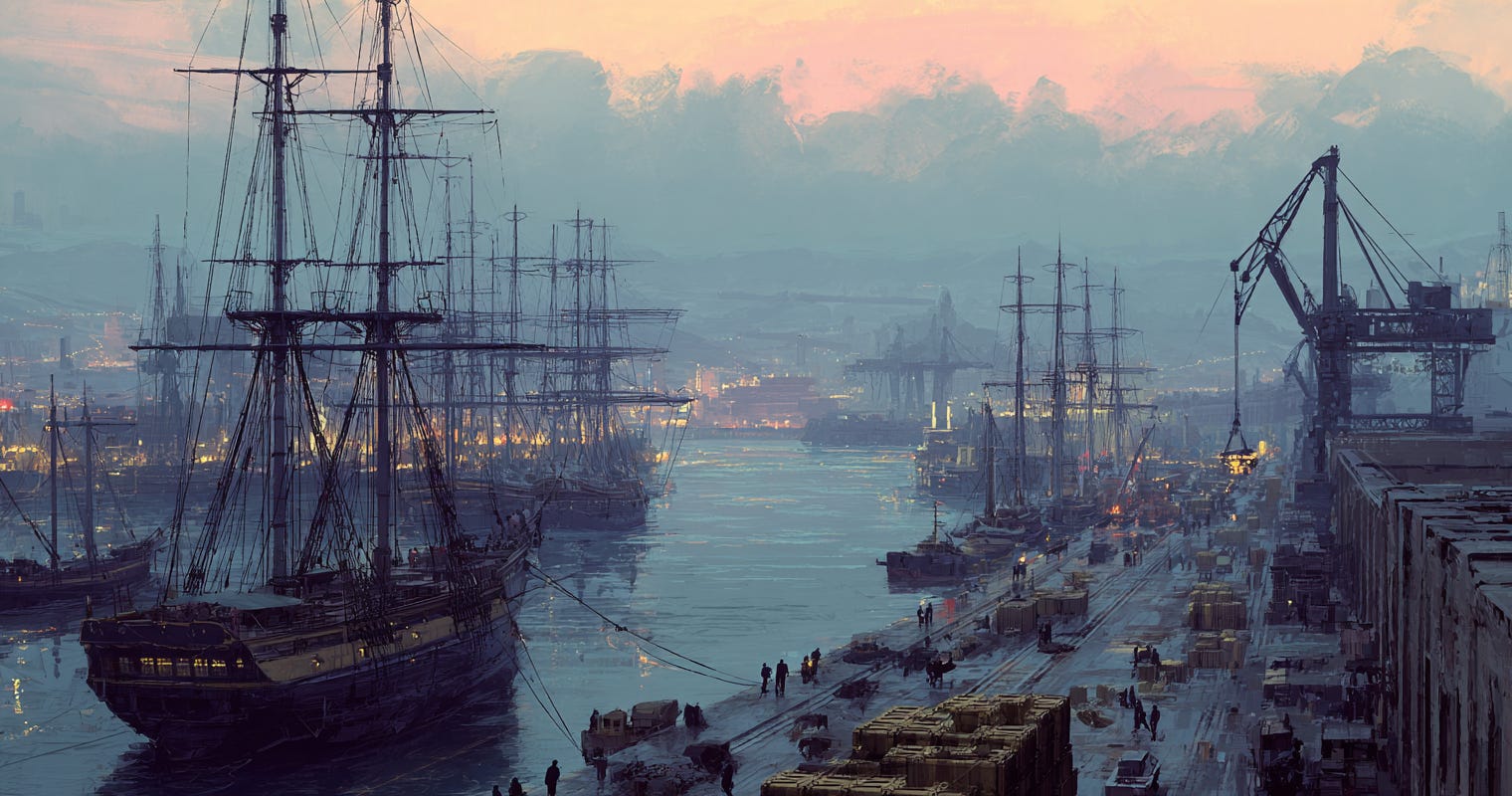
Infrastructure determines:
where cities grow
which regions prosper
how markets integrate
A functioning port can anchor an economy for centuries.
A rail junction can turn a town into a metropolis.
A power grid can enable industrialization — or stall it if neglected.
This is why:
trade routes outlive borders
cities survive regime change
economies reorient slowly
Ideology can be rewritten overnight.
Infrastructure rewrites reality over decades.
5. Modern States Still Depend on Old Foundations
Even in the modern world:
highways dictate logistics
ports dictate trade
grids dictate productivity
Financial systems, welfare states, and political reforms all sit on top of physical networks.
When infrastructure works, societies argue about ideology.
When it fails, ideology becomes irrelevant.
6. The Historical Lesson
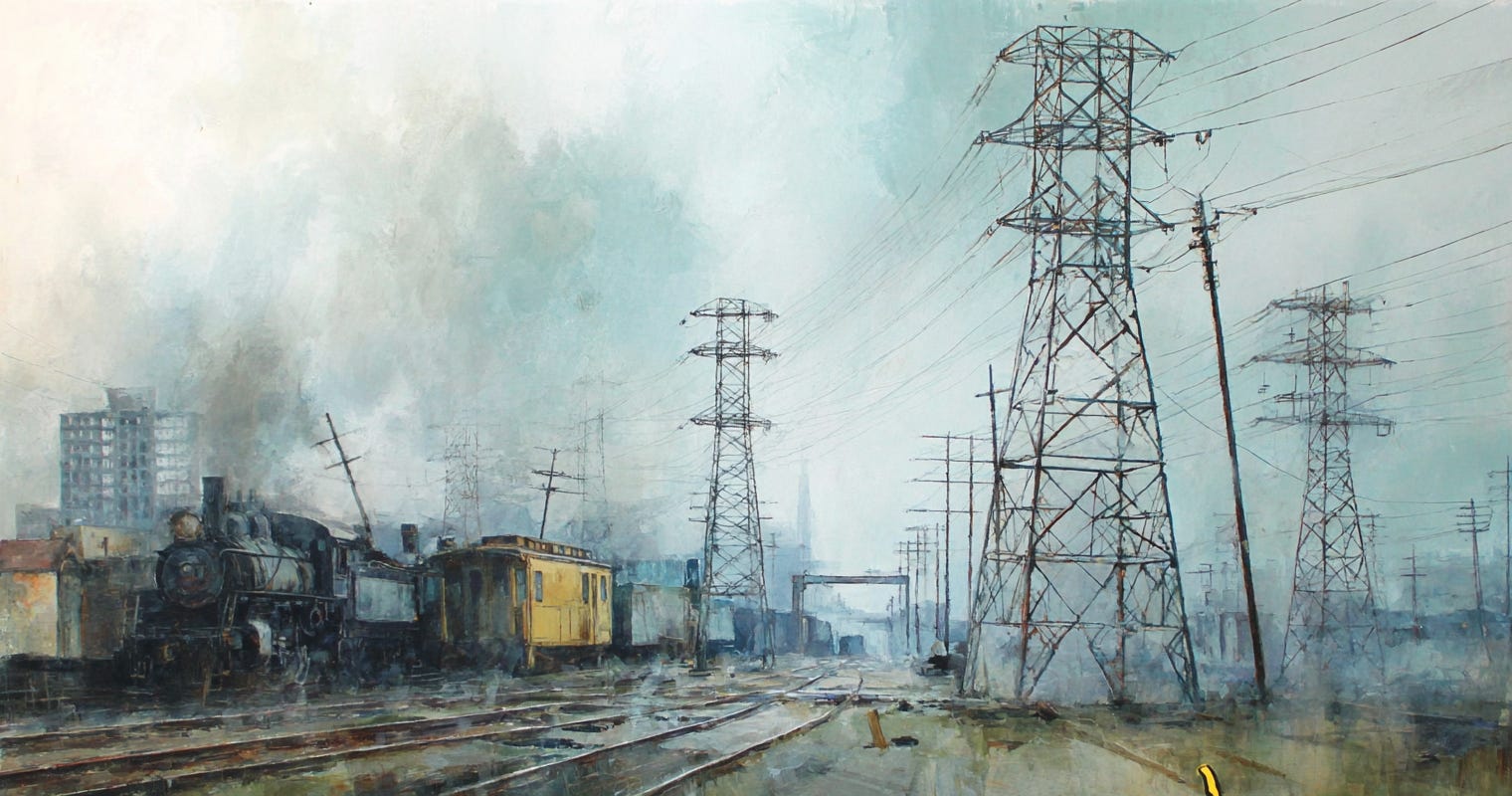
History does not show that infrastructure creates good politics.
It shows something more basic:
Infrastructure creates the conditions in which politics happens at all.
Roads enable markets.
Ports enable trade.
Power enables industry.
Without them, ideology has nothing to act upon.
Conclusion — Empires Fall, Systems Endure
Ideologies promise futures.
Infrastructure delivers presents.
This is why historians repeatedly observe the same outcome:
conquerors disappear
governments collapse
revolutions reverse
But the physical systems continue shaping lives long after slogans fade.
History is not ruled by ideas alone.
It is ruled by what people can actually move, power, and build.
❓ FAQ
Why does infrastructure outlast ideology?
Because it is costly, durable, and essential for daily life regardless of who governs.
Did empires benefit from infrastructure after collapse?
Yes. Successor states often relied on inherited systems long after empires fell.
Is infrastructure more important than institutions?
Infrastructure enables institutions to function, but institutions determine whether infrastructure is maintained.
Why do trade routes survive political change?
Because geography and logistics matter more than borders.
Can ideology destroy infrastructure?
It can damage or neglect it, but rebuilding is usually harder than reuse.