
Why Feudalism Ended in Western Europe — But Survived in Eastern Europe
INTRO — THE SAME PLAGUE, TWO DIFFERENT OUTCOMES
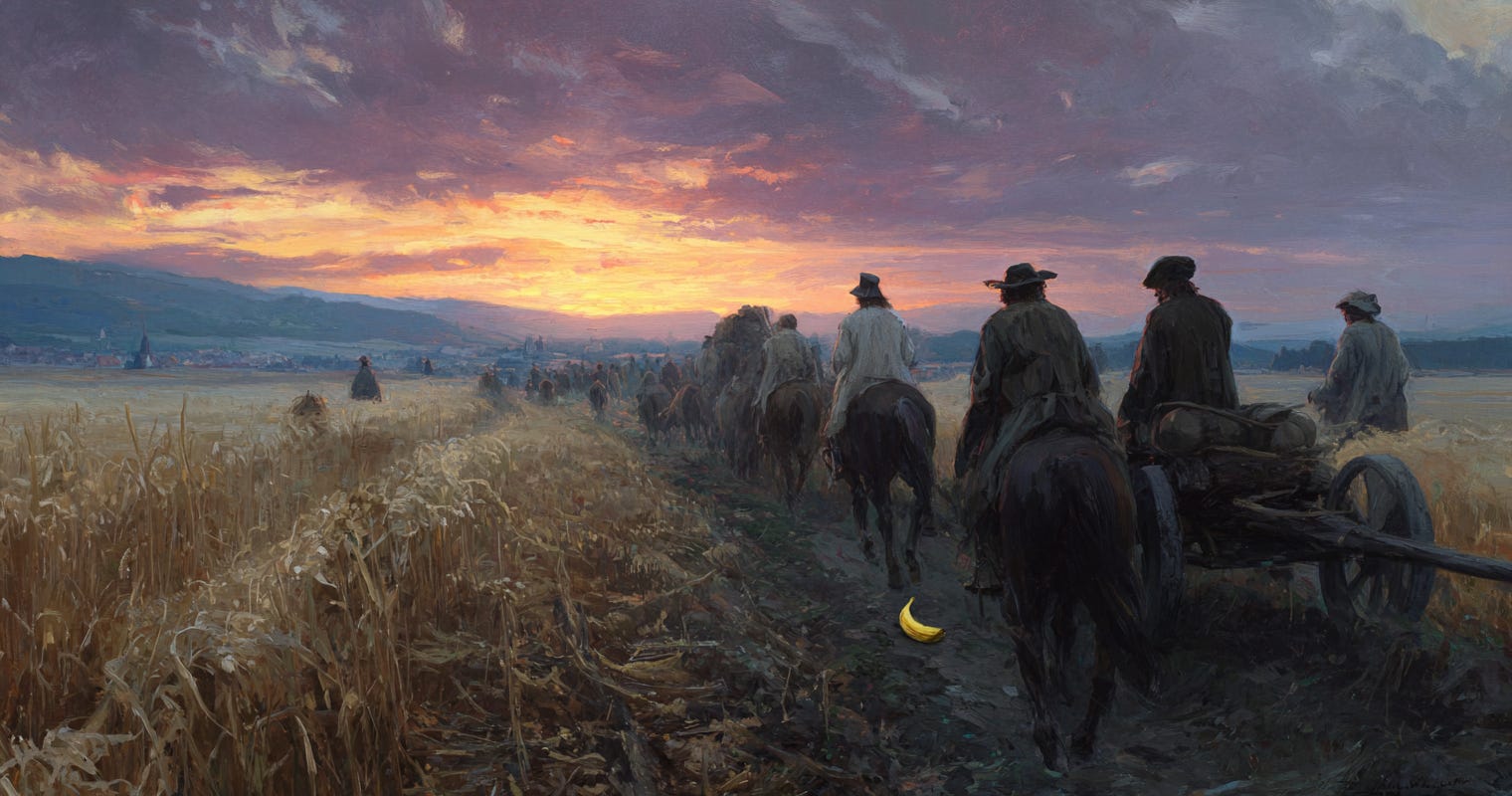
The Black Death tore through Europe in the mid-14th century.
It killed between one-third and one-half of the population.
Labor became scarce.
Wages should have risen everywhere.
But Europe split in two.
In Western Europe, feudalism weakened and gradually disappeared.
In Eastern Europe, serfdom hardened into what historians call the Second Serfdom.
Same shock.
Same continent.
Opposite outcomes.
The reason was not culture or morality.
It was markets, trade access, and power.
PART I — WHAT THE BLACK DEATH DID TO LABOR
Before the plague, labor was abundant and cheap.
After it, labor was scarce and valuable.
Survivors demanded:
higher wages
fewer obligations
mobility
Across Europe, peasants tested the limits of feudal control.
But whether they succeeded depended on where they lived.
PART II — WHY THE WEST COULDN’T RE-ENSERF THE PEASANTS
Western Europe had several advantages:
Western Europe had conditions that made feudalism hard to enforce.
Strong Towns and Competing Markets
Cities offered:
wage labor
legal protection
alternatives to manor life
Peasants could leave.
Lords could not easily stop them.
Fragmented Political Power
Kings, nobles, towns, and churches competed.
No single authority could re-impose serfdom across an entire region.
If one lord tightened control, workers fled elsewhere.
PART III — TRADE, PORT CITIES, AND URBAN DENSITY
Geography tilted the game.
Western Europe sat on the Atlantic and North Sea.
Eastern Europe largely did not.
This mattered more than ideology.
THE HANSEATIC LEAGUE AND NORTHERN EUROPE
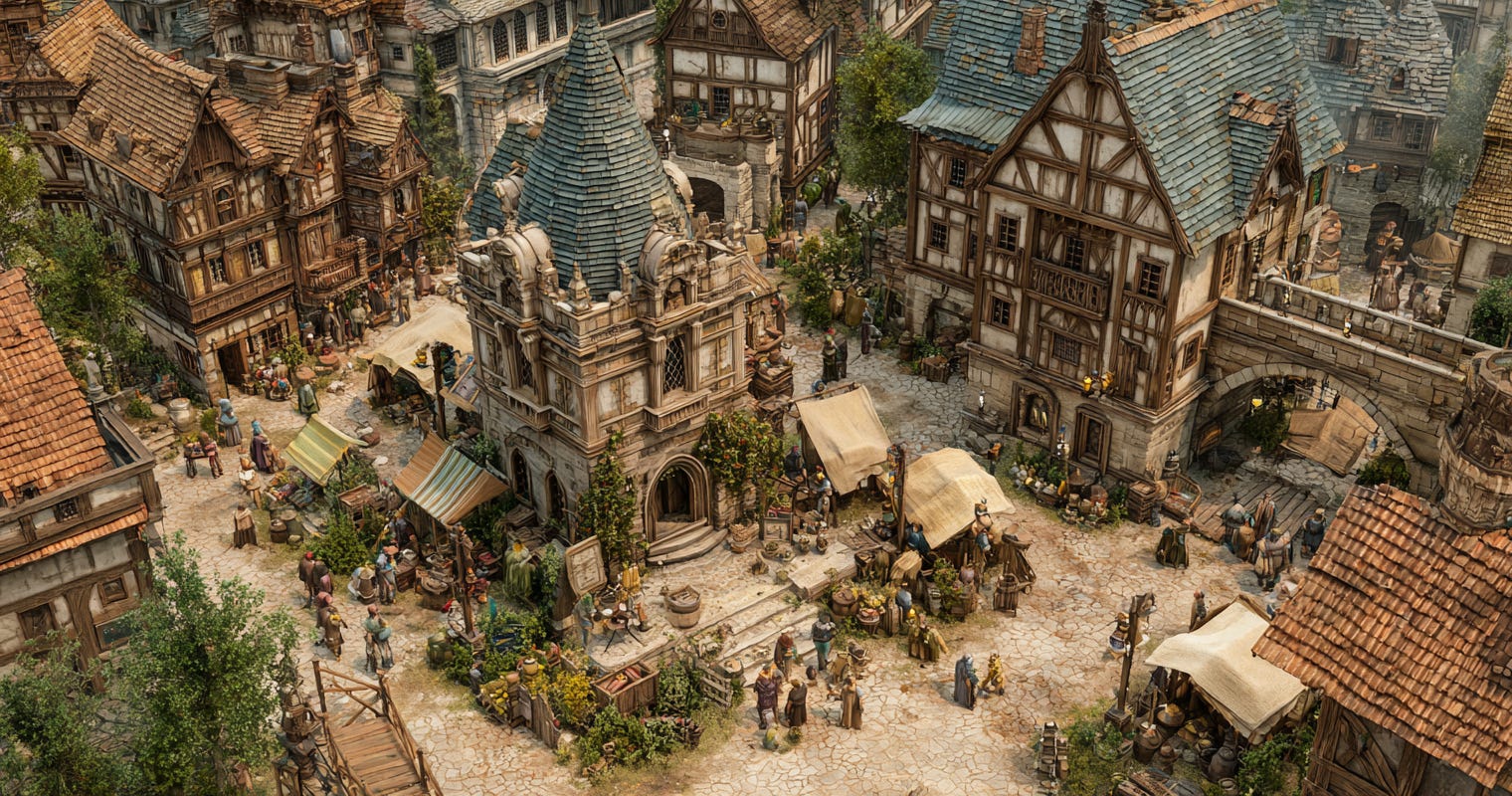
Coastal and river cities formed the Hanseatic League.
Ports like:
Lübeck
Hamburg
Bremen
Bruges
Amsterdam
linked Northern Europe through sea trade.
These towns were:
wealthy
legally autonomous
politically assertive
They absorbed labor after the Black Death.
Feudalism weakens when peasants have somewhere else to go.
ATLANTIC TRADE CHANGED EVERYTHING
As trade expanded beyond Europe, Atlantic-facing regions surged ahead.
Oceanic trade:
moved more goods
at lower cost
over longer distances
Roads and rivers could not compete with ships.
Power shifted toward ports.
TEXTILES VS GRAIN — VALUE MATTERED
This is where the split became irreversible.
Western Europe specialized in high-value goods, especially textiles.
Cloth:
sold for far more than grain
rewarded skilled wage labor
thrived in towns
England and Northern France became textile powerhouses.
Grain exports dominated Eastern Europe.
Grain:
required large estates
relied on controlled labor
rewarded coercion, not wages
If your economy depends on grain, serfdom makes sense.
If it depends on textiles, it does not.
ITALY — CITY POWER WITHOUT FEUDAL DEPENDENCE
Italy followed a different but related path.
It was dominated by:
cities
merchants
banking
religious institutions
Trade and finance sustained urban power.
Feudal estates never fully controlled the peninsula.
Italy didn’t abolish feudalism — it outgrew it.
PART IV — THE SECOND SERFDOM
Eastern Europe faced structural limits.
Most regions were:
landlocked
dependent on roads and rivers
dominated by large estates
Towns were:
fewer
smaller
scattered
Urban alternatives barely existed.
When peasants resisted, they had nowhere to flee.
Nobles responded by tightening control.
PART V — THE SECOND SERFDOM
By the 16th century:
Western Europe moved toward wage labor
Eastern Europe intensified serfdom
In the East:
labor obligations increased
mobility disappeared
estates expanded
The same plague that weakened feudalism in the West reinforced it in the East.
PART VI — WHY THIS DIVERGENCE LASTED
This split shaped Europe for centuries.
Western Europe developed:
capitalism
urban middle classes
early industry
Eastern Europe developed:
elite-dominated states
weak urban sectors
delayed industrialization
The effects are still visible today.
CONCLUSION — FEUDALISM DIED WHERE PEASANTS HAD OPTIONS
Feudalism ended in Western Europe not because lords were kinder —
but because they lost leverage.
Markets, ports, towns, and trade routes gave peasants alternatives.
In Eastern Europe, elites controlled land, law, and force.
History turns on leverage.
Where peasants had options, feudalism died.
Where they didn’t, it hardened.
⭐ FAQ — FEUDALISM & SERFDOM
Why did feudalism end in Western Europe?
Urbanization, trade, wage labor, and fragmented power weakened elite control.
Why did serfdom survive in Eastern Europe?
Grain exports, land concentration, weak towns, and elite dominance reinforced it.
Did the Black Death cause this split?
It exposed the differences — it didn’t create them.
Why were textiles so important?
They generated more value than grain and rewarded free labor.
Does this affect modern Europe?
Yes. The divergence shaped long-term economic inequality.