
Introduction — When the Past Suddenly Feels Relevant
With the recent release of Back to the Past (尋秦記) in Hong Kong, an old Chinese question has resurfaced:
Why did China abandon feudalism — and why did it never really return?
The answer has little to do with ideology.
It has everything to do with survival at scale.
China’s first great collapse didn’t come from foreign invasion.
It came from feudal fragmentation.
1. The Zhou Dynasty: When Feudalism Stopped Working
The Zhou dynasty governed through feudalism.
Land was granted to nobles.
Loyalty was personal.
Power was distributed horizontally.
At first, this worked.
Over time, it broke down.
Regional lords grew stronger than the king.
Armies answered to families, not the center.
Alliances shifted constantly.
Eventually, the Zhou king became symbolic — a ritual figure with no real authority.
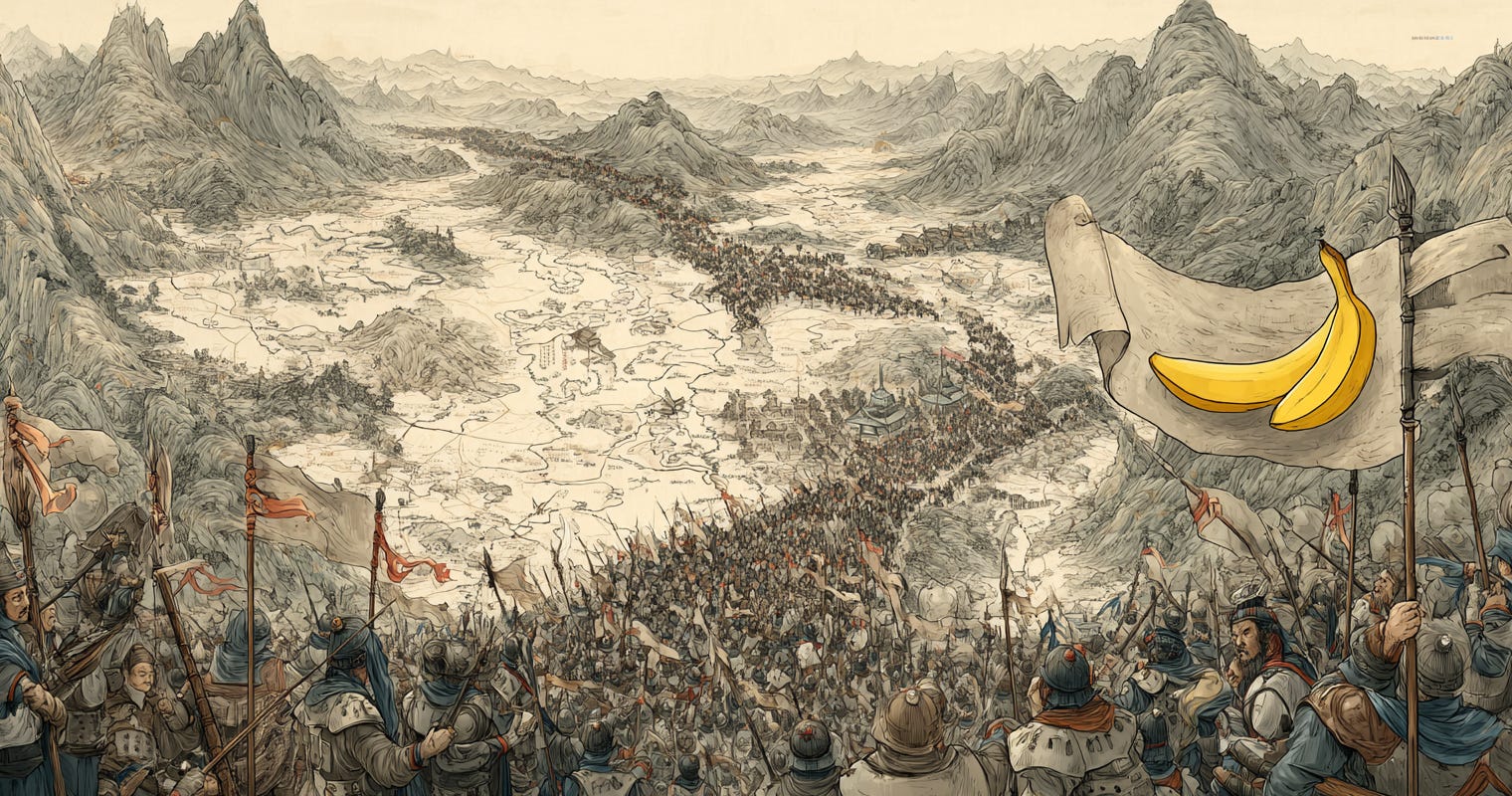
China entered the Spring and Autumn and Warring States periods.
Feudalism didn’t produce balance.
It produced permanent civil war.
2. Why Feudalism Failed in China (Specifically)
Feudalism failed in China for structural reasons, not moral ones.
Scale
China was too large and populous to be governed through loose personal loyalty.
Geography
Open plains and river systems made constant warfare unavoidable.
Competition
Dozens of states competed simultaneously — rewarding efficiency, discipline, and centralized logistics.
In this environment, feudal loyalty became a weakness.
3. Qin’s Solution: Centralization, Ruthless but Effective
The Qin state solved the problem decisively.
Instead of feudal rule, Qin implemented:
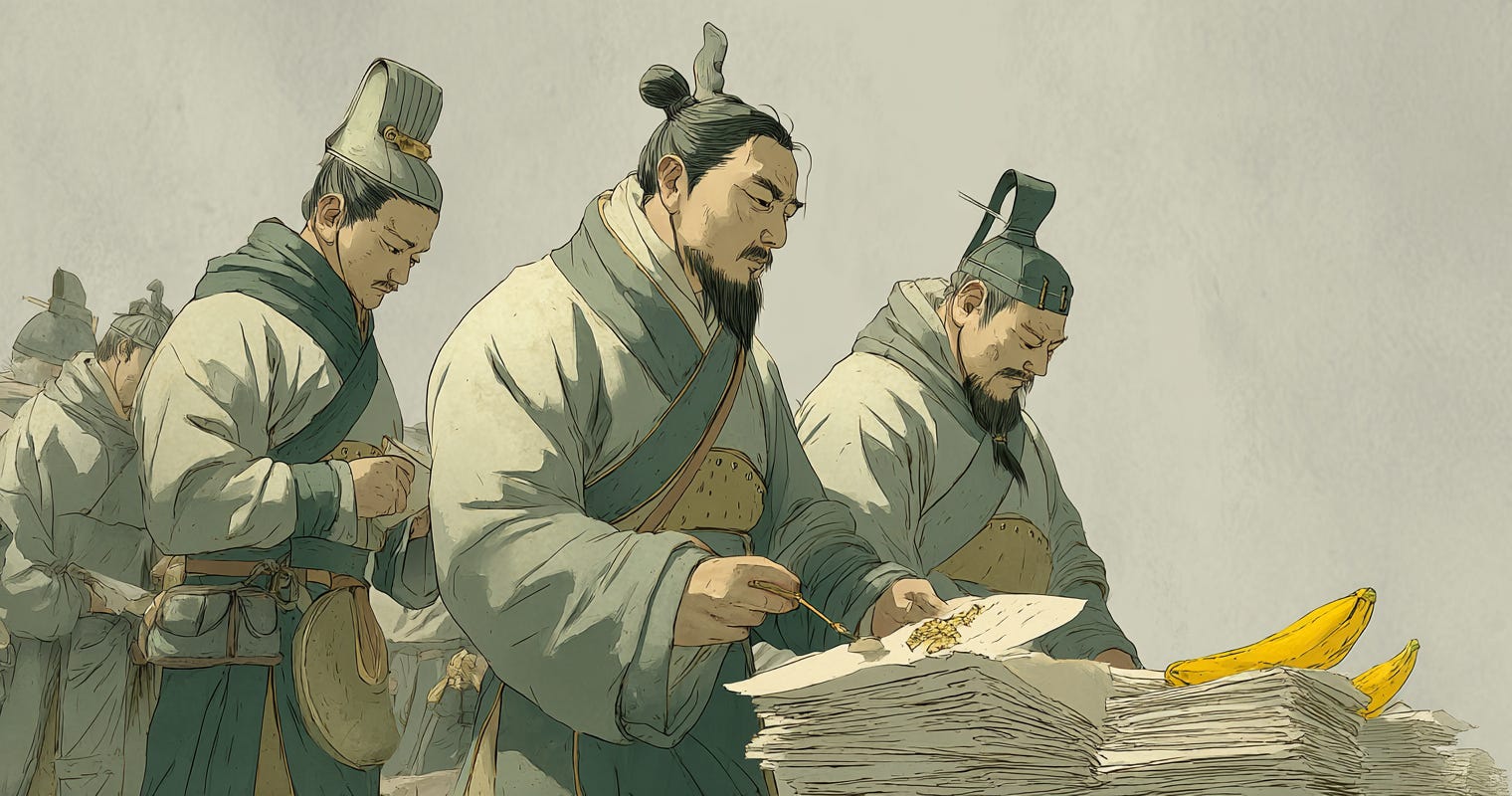
appointed officials instead of hereditary lords
standardized laws, weights, and writing
centralized taxation and conscription
Power flowed vertically, not through families.
The result?
Qin didn’t just win.
It ended the Warring States entirely.
China was unified for the first time.
4. Why the Unitary State Outperformed Feudalism
Qin centralization succeeded because it:
eliminated rival power centers
made administration predictable
ensured armies answered to the state
mobilized resources at scale
It was harsh.
It was unpopular.
But it worked.
Every dynasty that followed kept the core Qin model — even when they softened it.
5. The Pattern That Never Broke
Chinese history repeats one lesson relentlessly:
decentralization → warlordism
warlordism → chaos
reunification → stability
No dynasty ever returned to true feudalism.
The Zhou collapse became a civilizational trauma:
division equals disaster.
6. The Modern Question: Does This Still Make Sense?
Modern China contains places that are radically different:
Harbin
Chongqing
Lhasa
Guangzhou
Different climates, economies, histories, and cultures.
Yet all are governed under a unitary system.
This raises a legitimate historical question:
Was centralization the best solution then —
and is it still the best solution now?
History doesn’t answer this politically.
It answers it structurally.
7. China Compared: Rome, Britain, France, and the United States
China was not alone in facing the problem of governing scale.
Other civilizations made different choices — shaped by geography and timing.
Rome: Centralization With a Fragile Ceiling
Rome centralized law, taxation, and military command — but relied heavily on local elites.
It worked as long as Rome could project force and move information quickly.
When distances stretched and loyalty fractured, the system collapsed into division.
Rome managed scale — it never solved it permanently.
France: Centralization as Anti-Feudal Medicine
France’s path looked closer to China’s.
After centuries of feudal fragmentation, France centralized aggressively:
bureaucracy
law
language
taxation
Paris became the nerve center.
Like China, France concluded that unity required uniformity.
Britain: A Centralized Core With a Hollow Periphery
Britain centralized tightly — but over a small island.
That worked brilliantly at first.
Today, the downside is visible.
Without London:
much of the UK is significantly poorer
economic power is highly concentrated
regional productivity gaps are extreme
Britain solved feudalism — but replaced it with hyper-centralization.
Power didn’t disappear.
It just piled up in one city.
The United States: Why Federalism Made Sense
The U.S. faced a different problem set.
At independence:
vast territory
low population density
no long history of internal civil war
oceans as buffers
Instead of crushing regional power, the U.S. chose federalism:
strong central authority for defense, trade, and currency
real autonomy for states
Federalism worked because:
distance was enormous
transport was slow
external threats were limited
Unity could be negotiated instead of imposed.
Why China Didn’t Take the American Path
China’s historical memory made federalism feel dangerous.
Decentralization had previously meant:
warlords
endless civil war
dynastic collapse
Where Americans feared tyranny from the center,
China feared chaos from the edges.
Each system reflects the disaster it was designed to prevent.
Conclusion — History Explains, It Doesn’t Vote
China didn’t choose centralization because it was fashionable.
It chose it because feudalism nearly destroyed the civilization.
Qin centralization solved a real historical problem — one that never fully went away.
Whether that solution remains optimal in a modern, diverse, urbanized society is an open question.
History doesn’t tell us what to think.
It tells us why choices were made — and what they were trying to avoid.
FAQ
Why did feudalism fail in the Zhou dynasty?
Because power fragmented, leading to constant warfare and loss of central authority.
Why did Qin centralization succeed?
It eliminated rival power centers and standardized governance.
Did later dynasties keep Qin’s system?
Yes. All major dynasties preserved the unitary bureaucratic model.
Why did the U.S. choose federalism instead?
Because geography, low population density, and weak external threats allowed negotiated unity.
Is centralization always better?
No. History shows trade-offs, not universal answers.