
Intro — Protection Feels Safe. Exports Make You Strong.
May 9 2026
Every country wants industrial growth.
The temptation is always the same:
protect domestic firms
block foreign competition
build industry behind walls
It feels logical.
But history shows a brutal truth:
Protection can create industry.
Exports create productivity.
No country demonstrates this more clearly than Japan.
Japan tried both.
Only one worked.
1. What Is Export Discipline?
Export discipline means forcing domestic firms to:
compete internationally
meet global standards
survive without permanent protection
Exports expose firms to:
price pressure
quality requirements
technological benchmarks
Firms that fail do not survive.
This pressure is uncomfortable — but it works.
2. What Protectionism Actually Does
Protectionism shields domestic firms from competition.
That allows:
inefficiency
political favoritism
complacency
Protected firms often survive because of:
tariffs
subsidies
political connections
Not because they are good.
Protection can start industries — but it rarely finishes them.
3. Japan Before World War II — Protected, Militarized, Inefficient
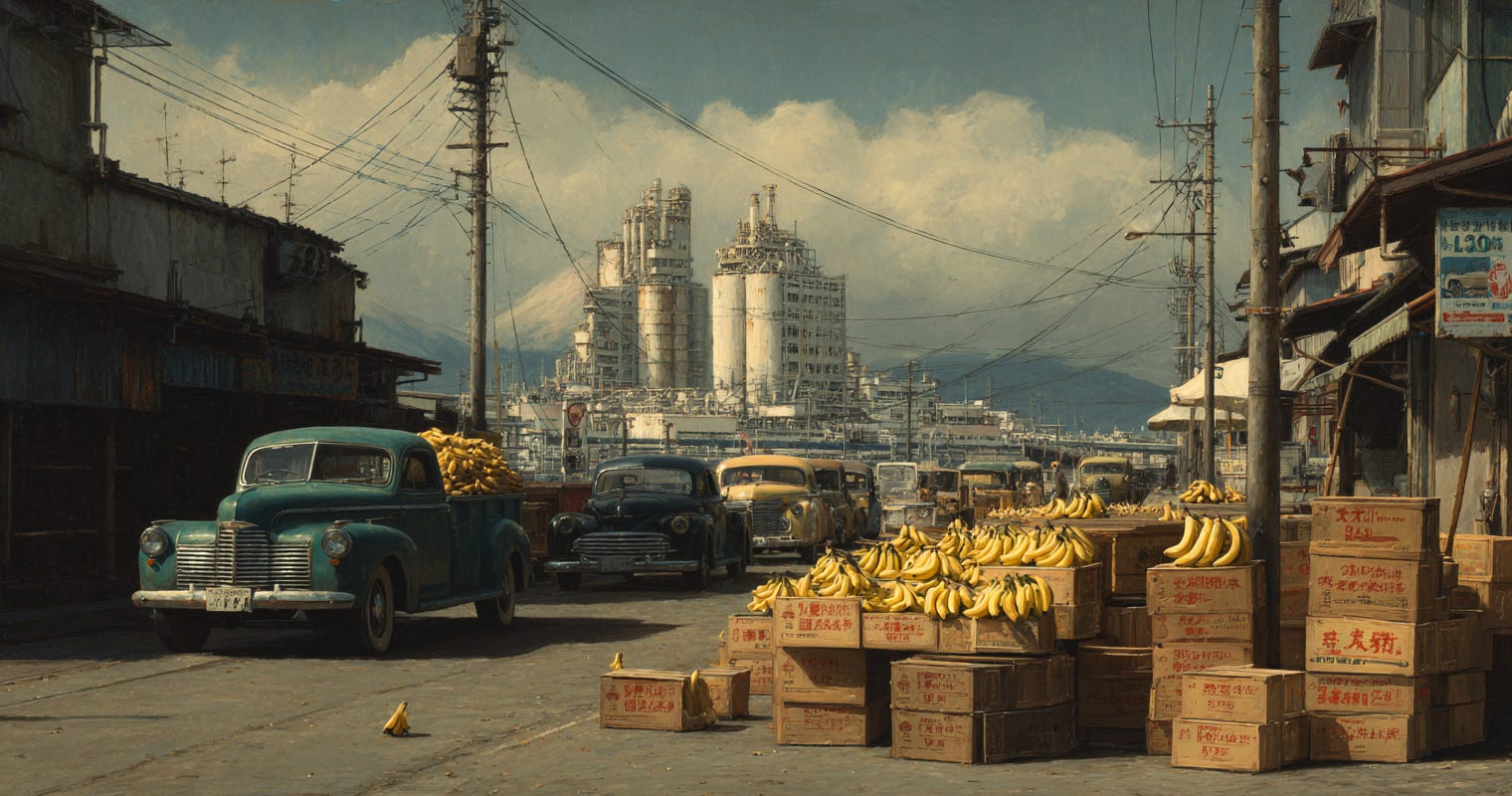
Before WWII, Japan pursued a heavily protected industrial model.
The state:
shielded domestic firms
prioritized self-sufficiency
restricted imports
Industry focused on:
military needs
domestic demand
political goals
Japanese firms had limited exposure to:
global competition
export discipline
quality pressure
The result:
inefficiency
limited consumer industries
dependence on imperial expansion
Japan industrialized — but not productively.
