
Introduction — When “Fair” Meant Everyone Had Nothing
For most of human history, societies were remarkably equal.
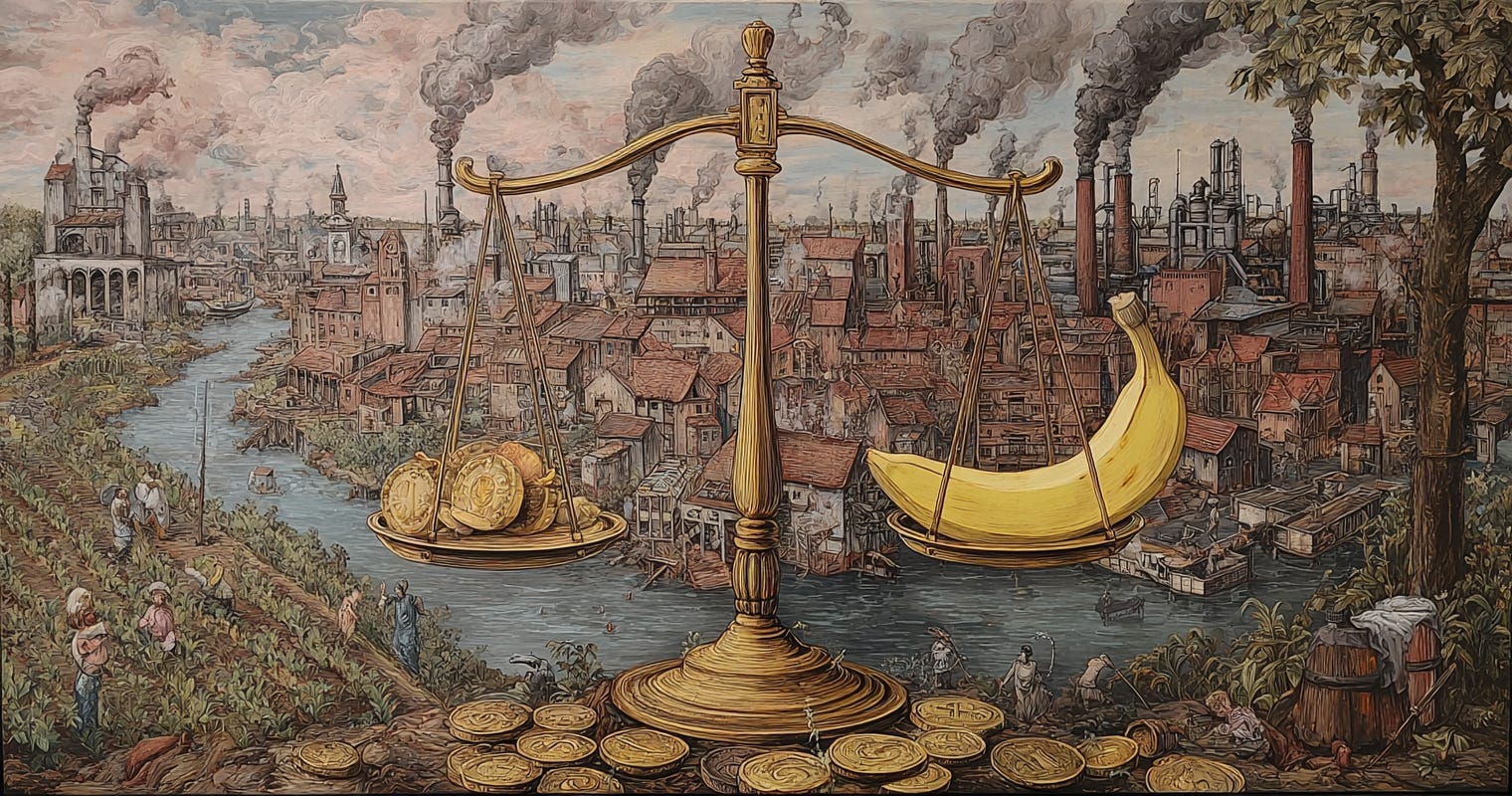
And almost universally poor.
This is the uncomfortable starting point of economic history:
low inequality was the default condition of low productivity societies, not a moral achievement.
Everyone had roughly the same amount because there was very little to go around.
The long historical record suggests a pattern that repeats across continents and centuries:
Societies escape poverty through growth first — and only later argue about equality.
This is not ideology.
It is sequencing.
1. Pre-Industrial Equality: Shared Scarcity
In medieval Europe, imperial China, Mughal India, and pre-colonial Africa, most people lived at subsistence.
incomes were compressed
wealth differences were limited
consumption barely changed across generations
A peasant’s life in 1300 looked much like his grandfather’s life in 1200.
This was not because institutions were fair.
It was because productivity was trapped.
Without surplus, equality is automatic.
2. Growth Changed Everything — Not Fairness
The Industrial Revolution did not begin with redistribution.
It began with productivity shocks.
mechanization
capital accumulation
specialization
innovation
Inequality rose sharply.
Factory owners, merchants, and financiers surged ahead of laborers.
Yet something unprecedented happened at the same time:
Average living standards began to rise.
Food became cheaper.
Clothing became abundant.
Life expectancy improved.
As noted in Superabundance:
“The true story of human progress is not scarcity, but increasing abundance driven by innovation and productivity.”
Growth did not eliminate inequality.
It made inequality survivable — and eventually manageable.
3. Unequal Growth Still Raised Absolute Living Standards
Nineteenth-century Britain was unequal — but better fed than medieval England.
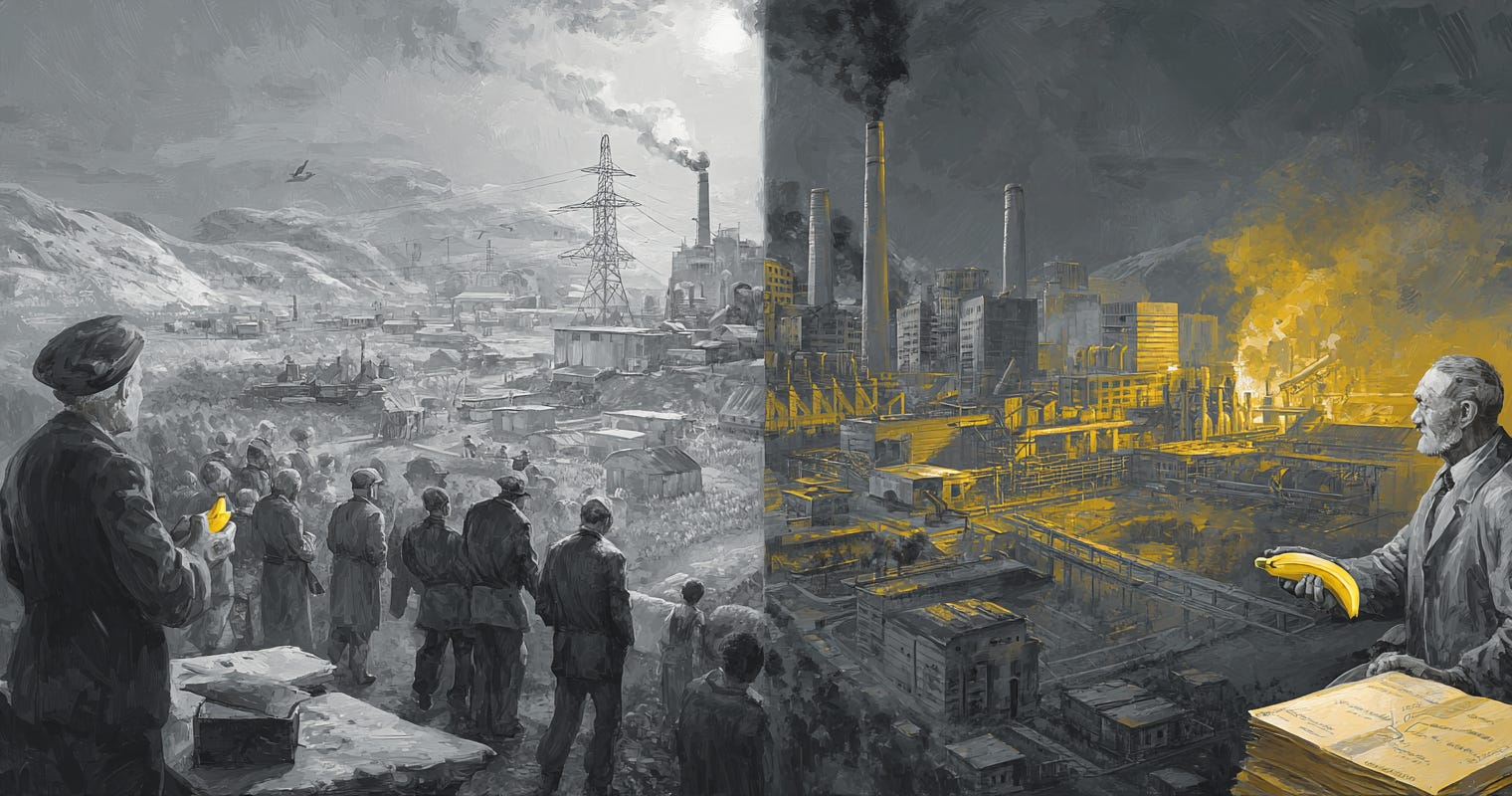
Early industrial America was unequal — yet wages and consumption rose over time.
Post-war East Asia followed the same path:
Japan
South Korea
Taiwan
All tolerated inequality during rapid growth phases, then later invested in:
education
infrastructure
social mobility
Economic history consistently shows this order:
Growth
Inequality
Rising living standards
Institutional correction
Skipping step one rarely worked.
4. When Equality Was Enforced First
The 20th century provided large-scale experiments in enforced equality.
The Soviet Union
The Soviet system aggressively flattened income differences.
private capital abolished
markets replaced with quotas
wages compressed by design
The result was equality — but at low productivity.
Innovation lagged.
Consumer choice vanished.
Growth stagnated.
By contrast, as Why Nations Fail observes:
“Inclusive economic institutions create inclusive growth.”
The USSR achieved distribution without growth.
It could not sustain either.
5. Maoist China vs Deng’s China
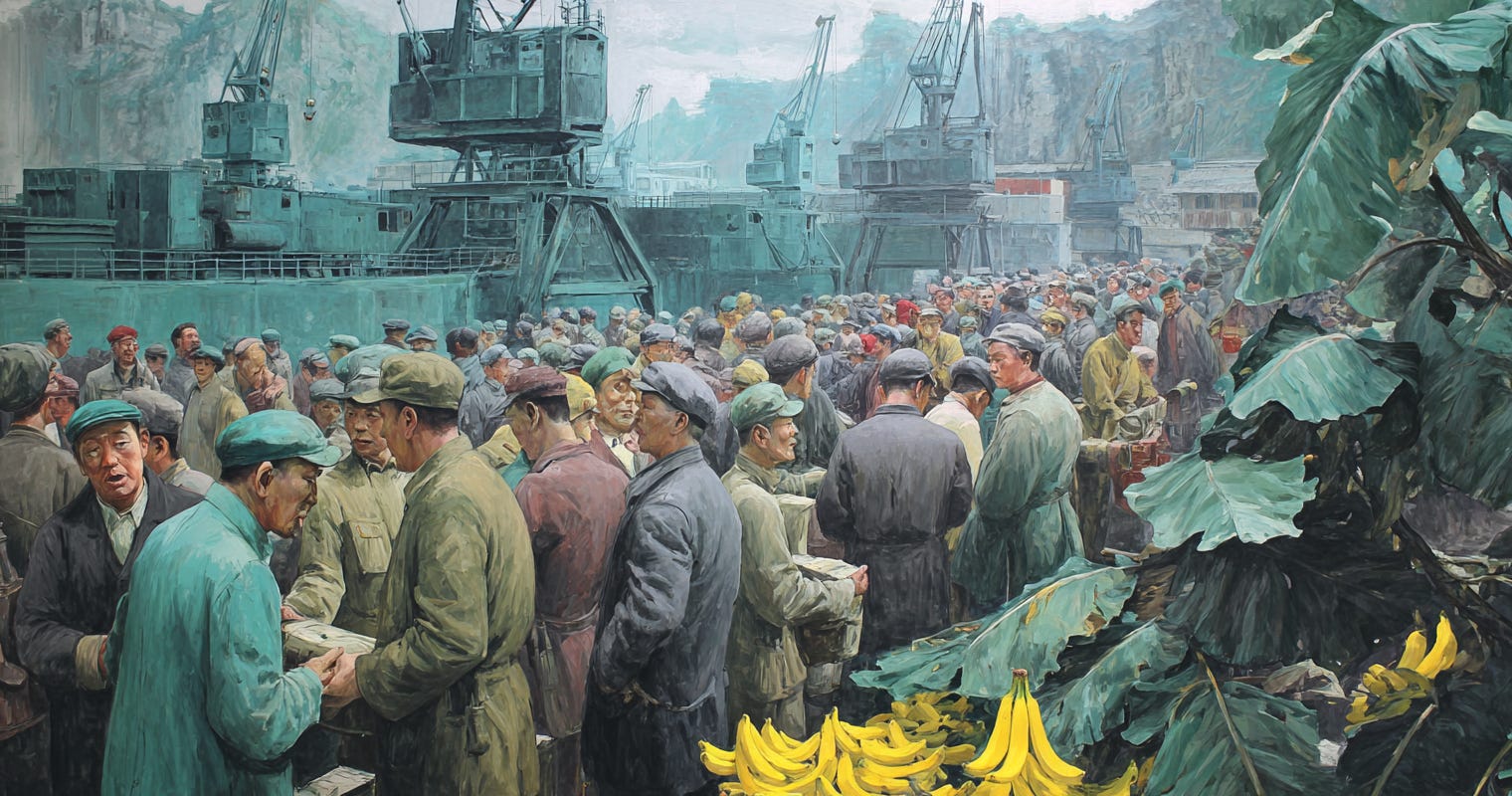
Maoist China attempted equality through collectivization.
private enterprise eliminated
agriculture communalized
incentives removed
The outcome was not fairness, but stagnation and famine.
Deng Xiaoping reversed the sequence.
markets reintroduced
inequality tolerated
productivity unleashed
Inequality increased sharply.
So did living standards — for hundreds of millions.
China did not grow because it became equal.
It grew because it became productive.
6. The United States: Growth First, Arguments Later
The United States industrialized with extreme inequality.
vast fortunes
brutal working conditions
minimal welfare
Yet productivity exploded.
Over time, growth enabled:
mass education
labor protections
rising real wages
Equality was not the cause of prosperity.
Prosperity made equality politically possible.
7. Hong Kong: Growth Without Equality First
Hong Kong represents an extreme case.
low taxes
minimal welfare
high inequality
Yet it delivered:
rapid industrialization
mass upward mobility
rising median incomes
Equality did not precede growth.
It followed wealth creation.
8. The Historical Pattern
Across regions and systems, the sequence remains consistent:
Societies that suppress inequality before growth stay poor
Societies that allow growth tolerate inequality temporarily
Successful societies correct inequality after productivity rises
History does not reward leveling down.
It rewards expanding the pie first.
Conclusion — Equality Is an Outcome, Not a Starting Point
Economic history does not argue against equality.
It argues against mistaking equality for a growth strategy.
The historical record is blunt:
The only reliable way societies escaped mass poverty was by tolerating unequal growth — and then managing its consequences later.
Fairness debates come after abundance, not before.
FAQ
Were pre-industrial societies more equal?
Yes — and far poorer than modern societies.
Does growth always increase inequality?
Often initially, yes. History shows inequality tends to rise during early growth phases.
Can enforced equality create prosperity?
Large-scale historical experiments suggest no.
Why did Deng’s reforms succeed where Mao’s failed?
Because productivity and incentives were restored before redistribution.
Is inequality inevitable forever?
History suggests it can be reduced after growth, through institutions and policy.