Apr 15 2026
Mexico: Why Proximity to the U.S. Wasn’t Enough
Mexico shares a 3,000-kilometer border with the most powerful economy in the world.
Geography suggests convergence.
History tells a different story.
Why didn’t proximity guarantee similar outcomes?
Because borders matter less than institutions.
Colonial Foundations: Extraction vs Settlement
Under Spanish rule, Mexico was organized for extraction.
Silver mines.
Agricultural estates.
Centralized authority.
Land concentrated in large estates known as haciendas.
Political power was vertical.
In contrast, British North America evolved through:
Smaller land ownership
Local assemblies
Broader settler participation
The difference wasn’t culture.
It was institutional inheritance.
Independence Without Stability
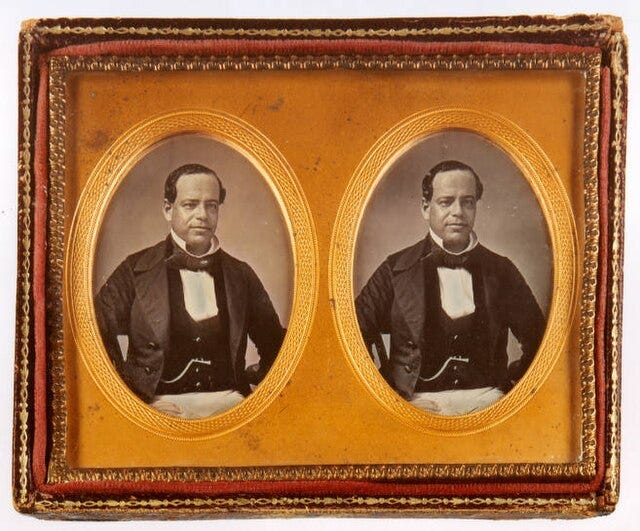
Mexico gained independence in 1821.
The next decades were chaotic:
Military strongmen
Regional rebellions
Territorial losses
By mid-century, Mexico lost nearly half its territory in war with the United States.
Political consolidation came slowly.
Stability did not come cheaply.
The Porfiriato: Growth Without Inclusion
Under Porfirio Díaz, Mexico modernized rapidly.
Railways expanded.
Foreign capital flowed.
Industry grew.
But land remained concentrated.
Rural inequality deepened.
Economic modernization without political inclusion proved unstable.
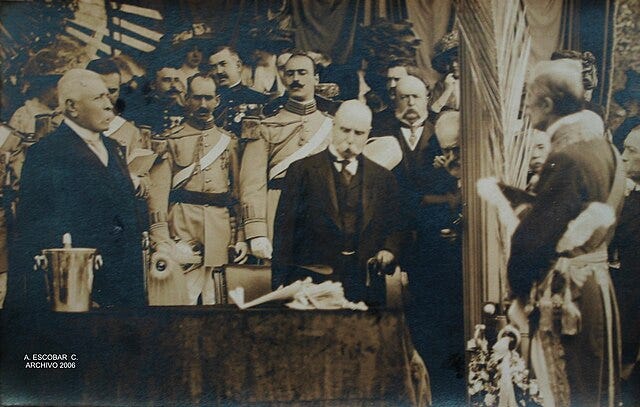
The Mexican Revolution
In 1910, revolution erupted.
The conflict reshaped:
Land ownership
Political authority
State structure
The 1917 Constitution embedded:
Land redistribution
State control over subsoil resources
Strong executive authority
This created a powerful central state.
But also entrenched political dominance.
The PRI Era: Stability Through Centralization
For most of the 20th century, Mexico was governed by one party: the PRI.
Elections occurred.
Power rarely changed.
This system delivered:
Relative stability
Controlled reform
Managed growth
But it also limited competition and institutional transparency.
Mexico avoided collapse.
It did not achieve convergence.
Oil, Debt, and NAFTA
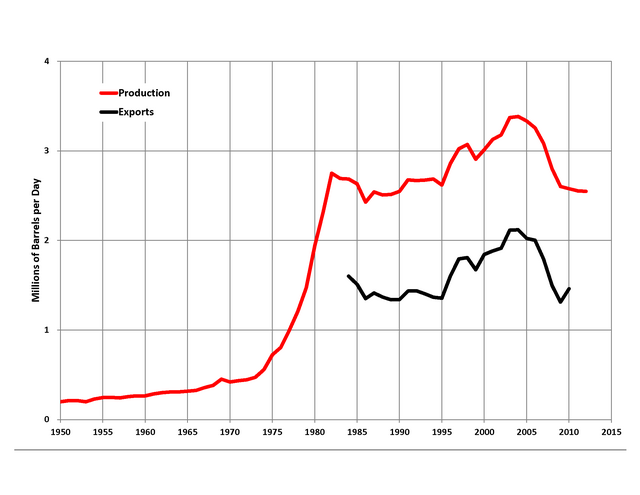
Oil nationalization under Lázaro Cárdenas strengthened state control.
In the 1980s, debt crises forced liberalization.
Then NAFTA tied Mexico more closely to the U.S. economy.
Trade surged.
Manufacturing expanded.
But institutional capacity—legal enforcement, corruption control, security—lagged.
Geography helps.
It does not replace governance.
The Institutional Gap
The United States developed:
Early constitutional continuity
Broad property rights
Stable local governance
Mexico developed:
Centralized executive authority
Land reform politics
Military intervention in early state-building
Both nations faced violence.
Both faced inequality.
But institutional sequencing diverged.
🍌 History’s Lesson
Proximity is not destiny.
Institutions outlast geography.
Mexico’s path was shaped by:
Colonial extraction structures
Revolutionary land reform
Centralized party dominance
Geography gave opportunity.
History shaped capacity.
Borders create potential.
Institutions determine outcomes.
❓ FAQ
Why didn’t Mexico develop like the United States?
Because institutional development, land distribution, and political centralization differed significantly after independence.
Did colonial rule affect Mexico’s development?
Yes. Spanish colonial systems prioritized extraction and centralized authority.
What role did the Mexican Revolution play?
It reshaped land ownership and political structure but strengthened central executive power.
Did NAFTA close the development gap?
It increased trade and manufacturing but did not fully resolve institutional weaknesses.
Is geography enough for economic convergence?
No. Institutional design and political stability are more decisive.