1979: The Year the Modern Middle East Was Born
Some years bend history.
1979 did not simply produce headlines.
It rewrote the region’s trajectory.
Three events — seemingly separate — reshaped the political architecture of the Middle East:
The Iranian Revolution
The Soviet invasion of Afghanistan
The second global oil shock
Individually significant.
Together transformative.
The Iranian Revolution: From Monarchy to Theocracy
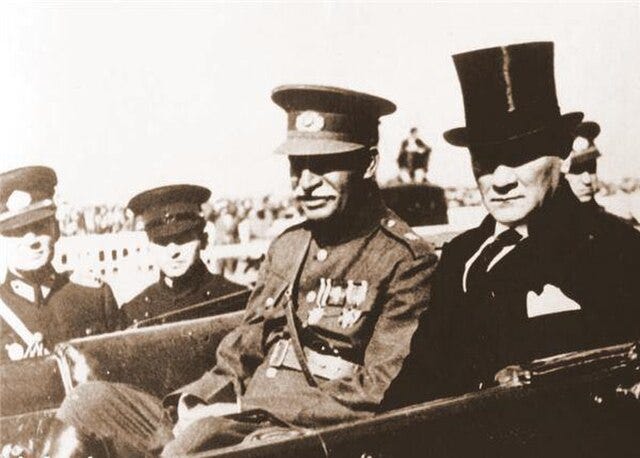
In February 1979, Mohammad Reza Shah fled Iran.
Soon after, Ruhollah Khomeini returned from exile.
The revolution replaced a Western-aligned monarchy with an Islamic Republic.
This was not just regime change.
It redefined political legitimacy.
For decades, modernization in the region had been state-driven, secular, and military-backed.
Iran demonstrated that religious authority could mobilize mass politics and seize state power.
Political Islam moved from opposition ideology to governing system.
That shift rippled outward.
Afghanistan: The Superpowers Return
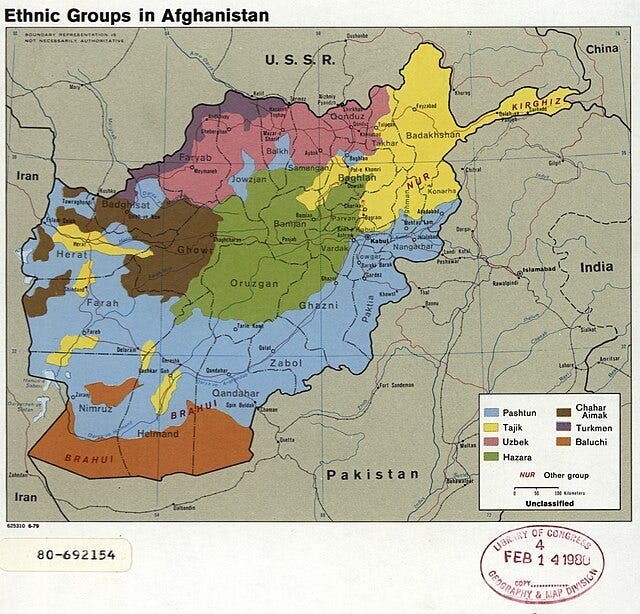
In December 1979, the Soviet Union invaded Afghanistan.
The invasion was meant to stabilize a friendly regime.
Instead, it internationalized resistance.
The United States, Pakistan, Saudi Arabia, and others supported Afghan fighters.
The war became:
A Cold War battlefield
A training ground
A radicalization engine
The consequences would echo far beyond Afghanistan.
Oil and the Second Shock
The Iranian Revolution disrupted oil supply.
Global prices surged.
The second oil shock deepened inflation and economic strain worldwide.
Energy politics intensified.
Oil producers gained leverage.
Import-dependent states faced crisis.
The Middle East was no longer just geopolitically important.
It became economically central.
A Region Reoriented
Before 1979:
Secular nationalism dominated
Superpower rivalry was structured
Oil was influential but predictable
After 1979:
Political Islam gained state legitimacy
Proxy conflicts multiplied
Energy volatility reshaped global economics
The architecture shifted.
Structural, Not Accidental
None of these events were random.
They emerged from:
Authoritarian modernization
Cold War competition
Demographic growth
Resource dependency
1979 did not invent instability.
It reorganized power.
🍌 History’s Lesson
Some years reveal underlying tensions.
1979 revealed that:
Secular regimes were vulnerable
Superpowers miscalculated regional complexity
Energy could reorder global politics
The Middle East did not begin in 1979.
But the system we recognize today largely did.
History does not move evenly.
Sometimes it accelerates.
1979 was acceleration.
❓ FAQ
Why is 1979 important in Middle East history?
Because the Iranian Revolution, Soviet invasion of Afghanistan, and oil shocks reshaped regional and global politics.
How did the Iranian Revolution change the region?
It introduced a theocratic model of governance and expanded political Islam’s influence.
Why did the Soviet Union invade Afghanistan?
To stabilize a communist-aligned government during Cold War competition.
What was the second oil shock?
A major increase in oil prices caused by Iranian instability, contributing to global economic turmoil.
Did 1979 cause modern Middle East conflicts?
It intensified and restructured existing tensions, accelerating long-term trends.