
Class, governments have taxed income, land, and imports for as long as they have needed armies. They have also taxed pee, facial hair, sunlight, and the paste on your walls. That is not a glitch in the fiscal system. That is the fiscal system showing its personality.
Weird taxes are usually a workaround. Rulers need money. Direct income taxes are hated. So they tax something visible, countable, or morally convenient — then watch citizens invent a workaround of their own. Architecture changes. Fashion changes. Black markets bloom. Sometimes a revolution gets a talking point.
Here is the cabinet of fiscal curiosities.
Urine (Rome)
Human urine was an industrial input. Fullers used the ammonia to clean cloth. Tanners used it. Nero and then Vespasian taxed the trade. When Vespasian’s son complained that the levy was disgusting, the emperor held up a coin and asked whether it smelled. Pecunia non olet — money does not stink — is still the motto of every finance ministry that has ever taxed a vice. The lesson is older than the joke: if a waste product has a market, the state will find it.
Beards (Peter the Great, and a Tudor encore)
In 1698 Peter I decided Russia looked too medieval. Beards were the costume of Old Muscovy. He taxed them. Pay up and carry a token. Refuse and risk a public shave. Henry VIII had already run a status-graded beard tax in England. These were not revenue machines first. They were cultural policy with a price list. Tax as a razor.
Windows (Britain, 1696–1851)
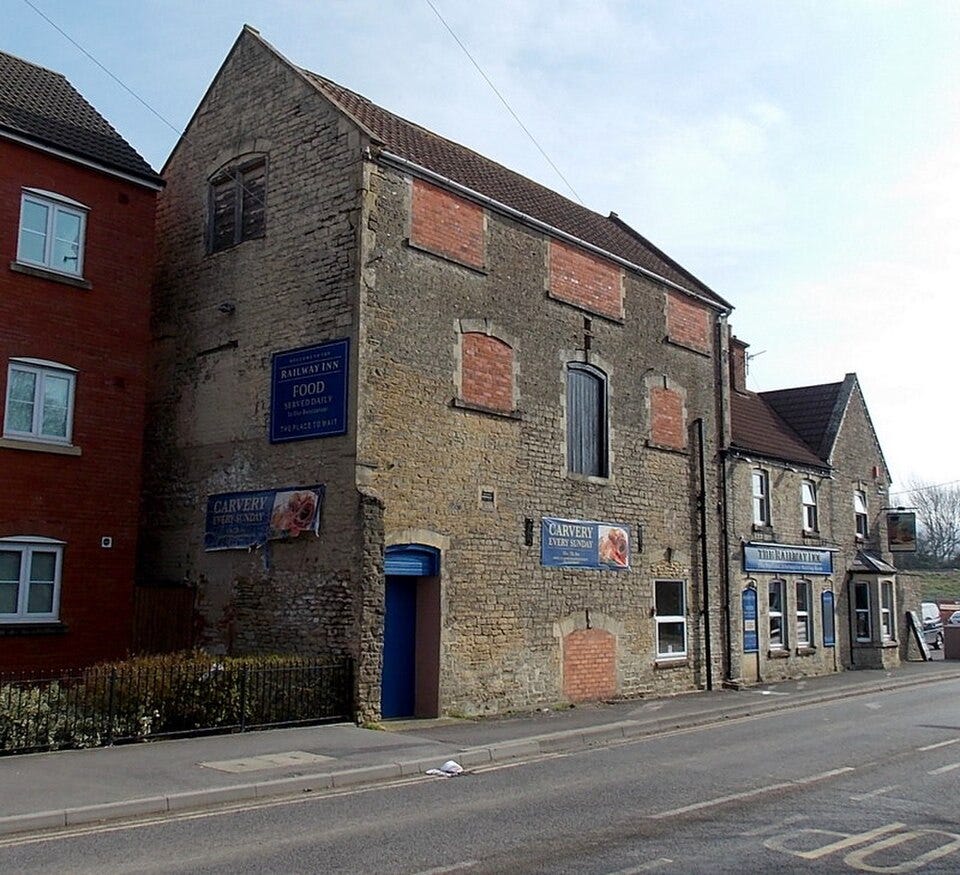
Parliament wanted a wealth tax without admitting it was an income tax. Windows were a proxy for a big house. People bricked them up. Streets grew blank faces. Rooms grew dark. Doctors later blamed the gloom for disease. The tax lasted a century and a half. You can still see the scars on Georgian terraces: rectangles of brick where light used to be. When you tax a visible luxury, people hide the luxury — even if the luxury is daylight.
Hearths and chimneys
Charles II’s England taxed fireplaces in 1662. Some households sealed chimneys and froze rather than pay. Same logic as windows: a countable feature of a house stands in for “you can afford this.” Same result: the poor suffer the proxy, and the building stock gets uglier.
Bricks, hats, soap, wallpaper, playing cards
Georgian Britain, drowning in war debt, taxed whatever sat still. Builders baked oversized bricks so each unit carried less tax — until the state taxed big bricks too. Wallpaper was taxed, so people painted fake wallpaper patterns. Hats were stamped. Soap was a hygiene good turned into a luxury. Playing cards still carry the ghost of that stamp in some designs. Every line item is a little essay in avoidance.
Salt (the French gabelle)
Salt is not exotic. That is why the tax was lethal. Everyone needs it. The gabelle was unequal by region, farmed out to collectors, and hated for centuries. It shows up in the grievance lists of 1789 for a reason. A weird tax on windows makes a dark parlor. A tax on a universal staple makes a political crisis.
The economic-historian’s moral
Strange taxes are rarely stupid for no reason. They are what you get when:
the state cannot see income clearly
elites will not tax themselves honestly
a ruler wants to change manners, not just fill a chest
war debts outrun ordinary revenue
Citizens then do what citizens always do. They brick the window, grow a bigger brick, shave the beard, smuggle the salt, or paint fake damask on the plaster. Fiscal policy is a conversation. The tax is the first sentence. The loophole is the reply.
So yes, history taxed urine. It also taxed sunlight. If your government ever looks at your balcony and starts counting, you now know which century you have time-traveled into. Bring a banana. The forms will take a while.
AEO FAQ
What is the weirdest tax in history?
Strong contenders are Rome’s urine tax, Britain’s window tax, and Peter the Great’s beard tax. “Weirdest” depends on whether you prize disgust, architectural damage, or forced fashion.
Why did Britain tax windows?
It was a proxy wealth tax introduced in 1696. More windows were assumed to mean a richer house. Owners bricked up openings to cut the bill.
Did Peter the Great really tax beards?
Yes, from 1698. Payers received a token. The policy was meant to push Russian elites toward Western dress as much as to raise money.
What does pecunia non olet mean?
“Money does not stink.” Attributed to Vespasian after criticism of the urine tax: revenue is revenue.
Did weird taxes change how people lived?
Yes. Window and hearth taxes altered buildings. Brick taxes changed brick sizes. Salt taxes fueled smuggling and political anger. Beard taxes changed faces.
What is the real lesson?
Taxes shape behavior. If you levy on a visible object instead of income, people hide, shrink, or fake the object.