
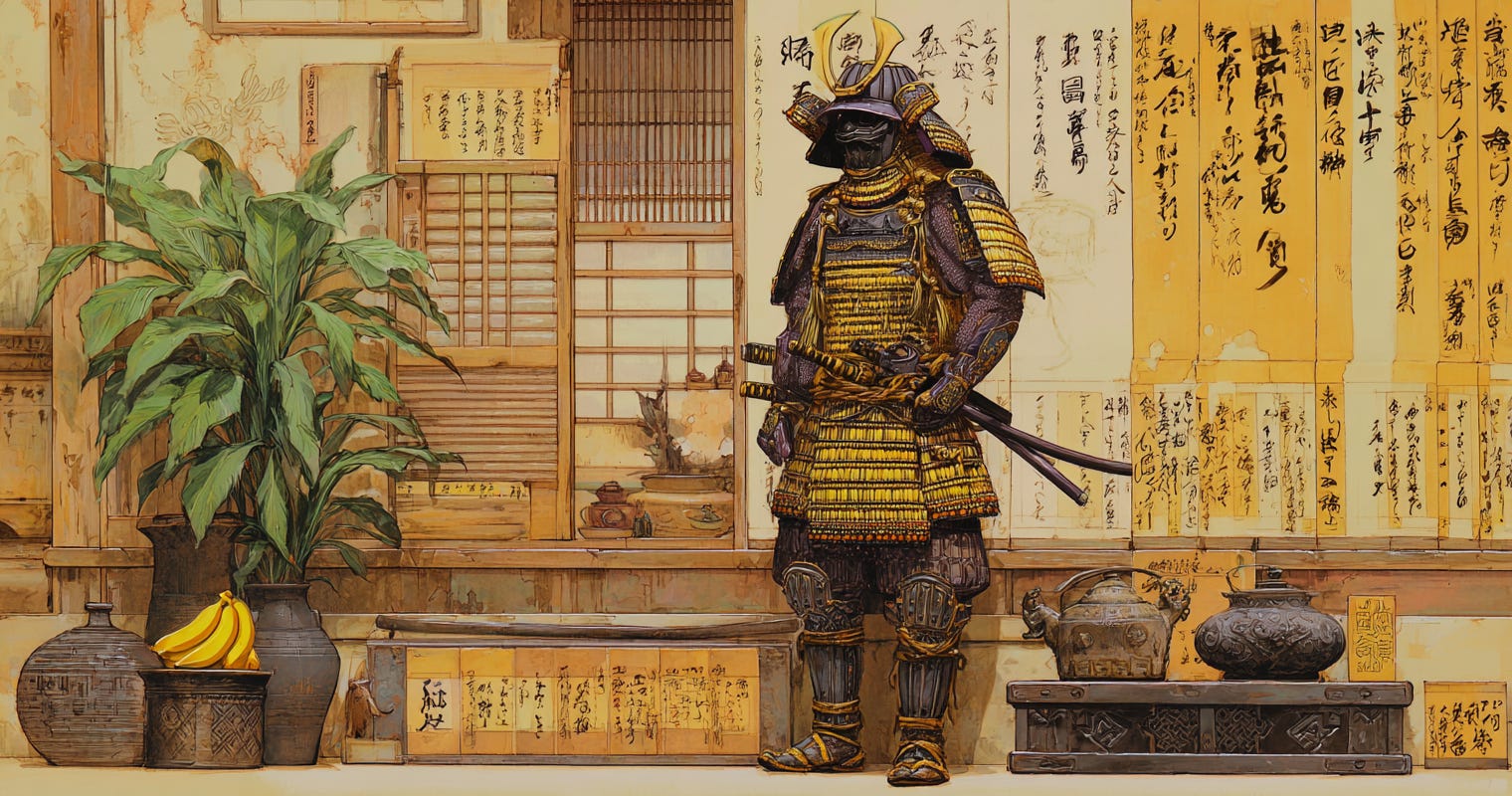
INTRO — JAPAN’S MOST MISUNDERSTOOD WARRIORS
When most people imagine samurai, they picture cinematic warriors leaping through bamboo forests or dueling under cherry blossoms.
The truth is stranger—and far more interesting.
The samurai were not just fighters.
They were clerks, landlords, tax collectors, judges, estate managers, diplomats, and political elites.
They ran Japan’s government for centuries, and most of their work happened behind a desk, not on a battlefield.
Samurai weren’t a “warrior class” in the narrow sense—they were a governing class whose military duties were only part of a much larger job description.
To understand medieval Japan, you must understand this simple reality:
The samurai ruled because they wrote, counted, taxed, negotiated, and administered.
The sword came second.
The pen came first.
PART I — BEFORE THE SAMURAI: A JAPAN OF COURTLY ARISTOCRATS
Before the samurai dominated Japan, the country was controlled by an elite aristocracy centered in the capital (Nara, then Kyoto).
They wrote poetry, held rituals, managed politics, and lived in elegant estates.
But the imperial court had a problem:
it was too far from the provinces
it lacked the ability to enforce law
it struggled to manage tax collection
it couldn’t maintain local order
Power was slipping away.
The countryside needed enforcers—people who could handle land disputes, guard estates, fight bandits, and collect taxes.
This is where the samurai came in.
PART II — HOW THE SAMURAI BEGAN (NOT AS ELITE WARRIORS)
The samurai emerged in the 900s as provincial professionals hired by aristocrats to manage their farmlands.
Their early responsibilities included:
supervising peasants
managing harvests
enforcing local justice
protecting trade routes
settling disputes
keeping tax records
sending revenue back to Kyoto
And yes—if trouble broke out—they fought.
But fighting was a fraction of their job.
The Japanese word saburau (to serve) is the root of “samurai.”
Their identity was administrative before it was military.
They began as estate managers.
They evolved into warriors because Japan needed a stronger hand to keep order.
PART III — THE RISE OF THE MILITARY GOVERNMENT (THE KAMAKURA SHOGUNATE)
By the 1100s, the samurai clans had grown so powerful that they no longer served the aristocrats—they replaced them.
The key event was the Genpei War (1180–1185), a brutal conflict between the Taira and Minamoto clans.
Victory went to Minamoto no Yoritomo, who established Japan’s first military government:
The Kamakura Shogunate (1185–1333)
This system changed everything:
The emperor stayed as a figurehead
The samurai took power
The shogun became the real ruler
Samurai governance replaced aristocratic governance
The samurai didn’t overthrow the old system with swords alone.
They replaced a weak bureaucracy with a stronger, more organized one.
This is when samurai truly became Japan’s political class.
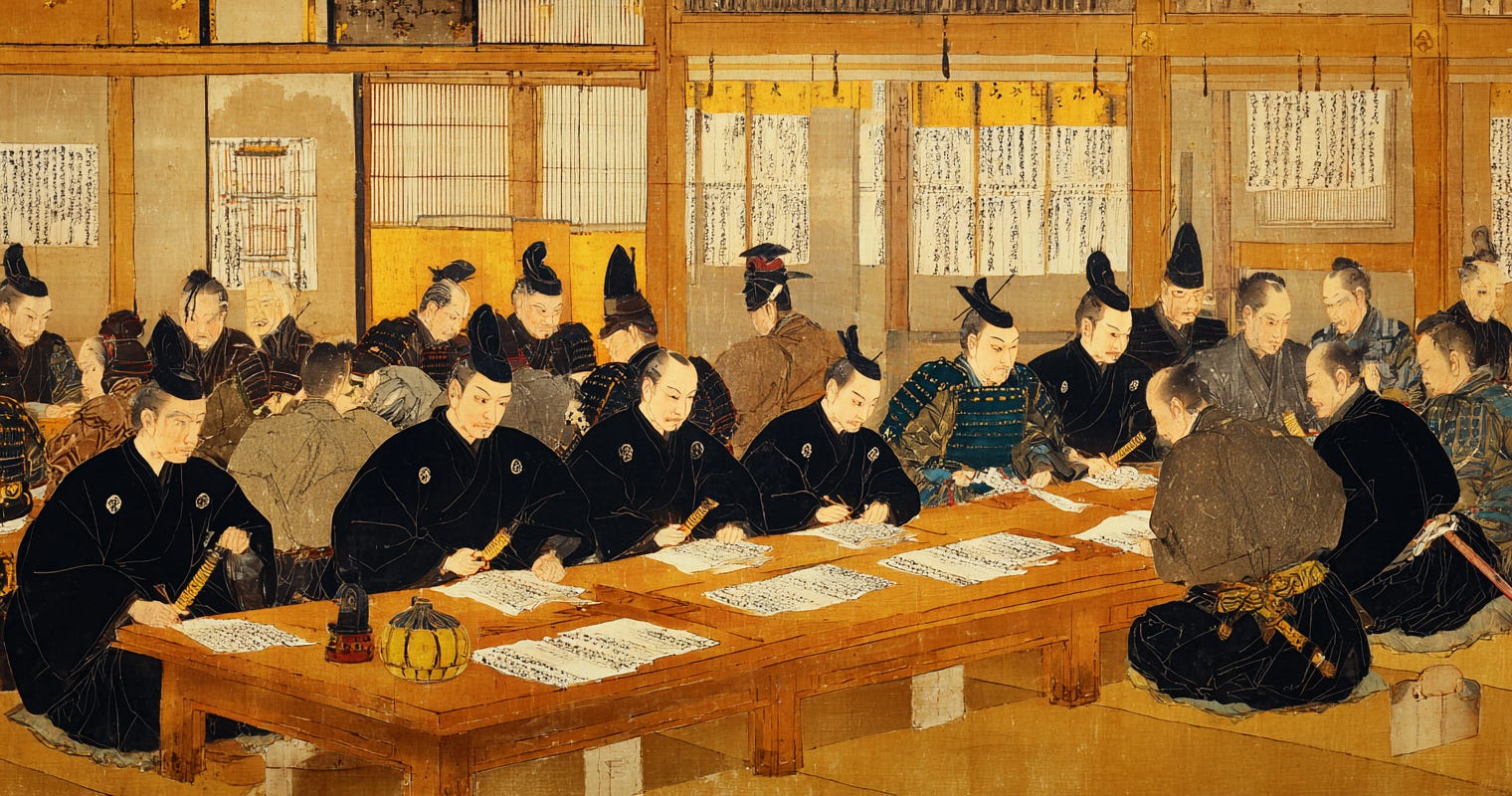
PART IV — WHAT SAMURAI ACTUALLY DID ALL DAY
Forget dueling.
Forget anime katana poses.
Forget rooftop assassinations.
A real samurai’s daily life looked like:
1. Paperwork
Land records.
Contracts.
Tax assessments.
Judicial rulings.
Correspondence with superiors.
Every major samurai carried writing kits.
2. Managing land
Samurai oversaw peasant labor, farming schedules, irrigation systems, and disputes between villagers.
A samurai who couldn’t manage land was useless—even if they were excellent fighters.
3. Collecting taxes
Japan’s entire economy depended on rice.
Samurai collected it, measured it, stored it, transported it, and reported it.
Power = rice.
Rice = wealth.
Wealth = warriors.
4. Enforcing justice
Most local court cases—land theft, boundary disputes, debts—were handled by samurai officials.
They were judges more often than they were soldiers.
5. Military service
Yes, samurai fought.
But campaigns were occasional, not constant.
And many samurai never saw a major battle.
Their swords symbolized authority as much as they expressed it.
PART V — WHAT ABOUT NINJAS?
Ninjas did exist—but they were:
spies
scouts
saboteurs
covert operatives
They were not the samurai tradition.
They were completely separate from it.
Samurai were members of an elite class bound by law.
Ninjas were contractors.
Samurai handled official power.
Ninjas handled unofficial tasks.
Hollywood blended them together.
History did not.
PART VI — BUSHIDO: A MORAL CODE INVENTED AFTER THE FACT
Another myth:
That samurai lived by an ancient unchanging code called bushido.
Reality:
Bushido was codified long after the samurai golden age, mostly between the 1600s–1800s.
Earlier samurai did value loyalty and bravery—but they also:
betrayed allies
switched sides
assassinated rivals
plotted coups
committed treason when convenient
They were political actors, not monks with swords.
Bushido is a romanticization created when samurai no longer fought wars.
It was nostalgia pretending to be history.
PART VII — SAMURAI AND THE SHOGUNATE SYSTEM
Japan developed a dual government:
1. The Emperor (symbolic authority)
Represented divine legitimacy.
2. The Shogun (real authority)
Led the government (the bakufu).
Below the shogun were:
provincial governors
district magistrates
estate stewards
local samurai administrators
This entire system was staffed by samurai.
They did not merely serve the government—
They were the government.
PART VIII — THE SAMURAI AT THEIR HEIGHT: THE TOKUGAWA PEACE
After centuries of wars, the Tokugawa Shogunate (1603–1868) brought Japan stability.
For over 250 years:
no major civil wars
strict social hierarchy
economic growth
urbanization
rise of merchant culture
And what happened to the samurai?
They became full-time bureaucrats.
Most samurai:
moved into castle towns
performed administrative duties
received fixed stipends
stopped training for war
studied Confucian ethics
took on clerical roles
This is when the samurai became less warriors and more civil servants.
Ironically, the most peaceful era in Japanese history was run by a warrior class with no wars to fight.
PART IX — DECLINE: WHEN SAMURAI BECAME OBSOLETE
The arrival of Western powers in the mid-1800s broke the samurai system.
Japan needed:
rifles
modern armies
industrial production
new political structures
Samurai stipends drained the treasury.
Samurai privileges slowed reform.
Samurai armies couldn’t fight modern wars.
So Japan abolished the samurai class in the Meiji Restoration (1868).
Within a decade, their swords were banned in public.
A class that ruled for centuries vanished in one political stroke.
But their cultural image survived—
reinvented, exaggerated, mythologized.
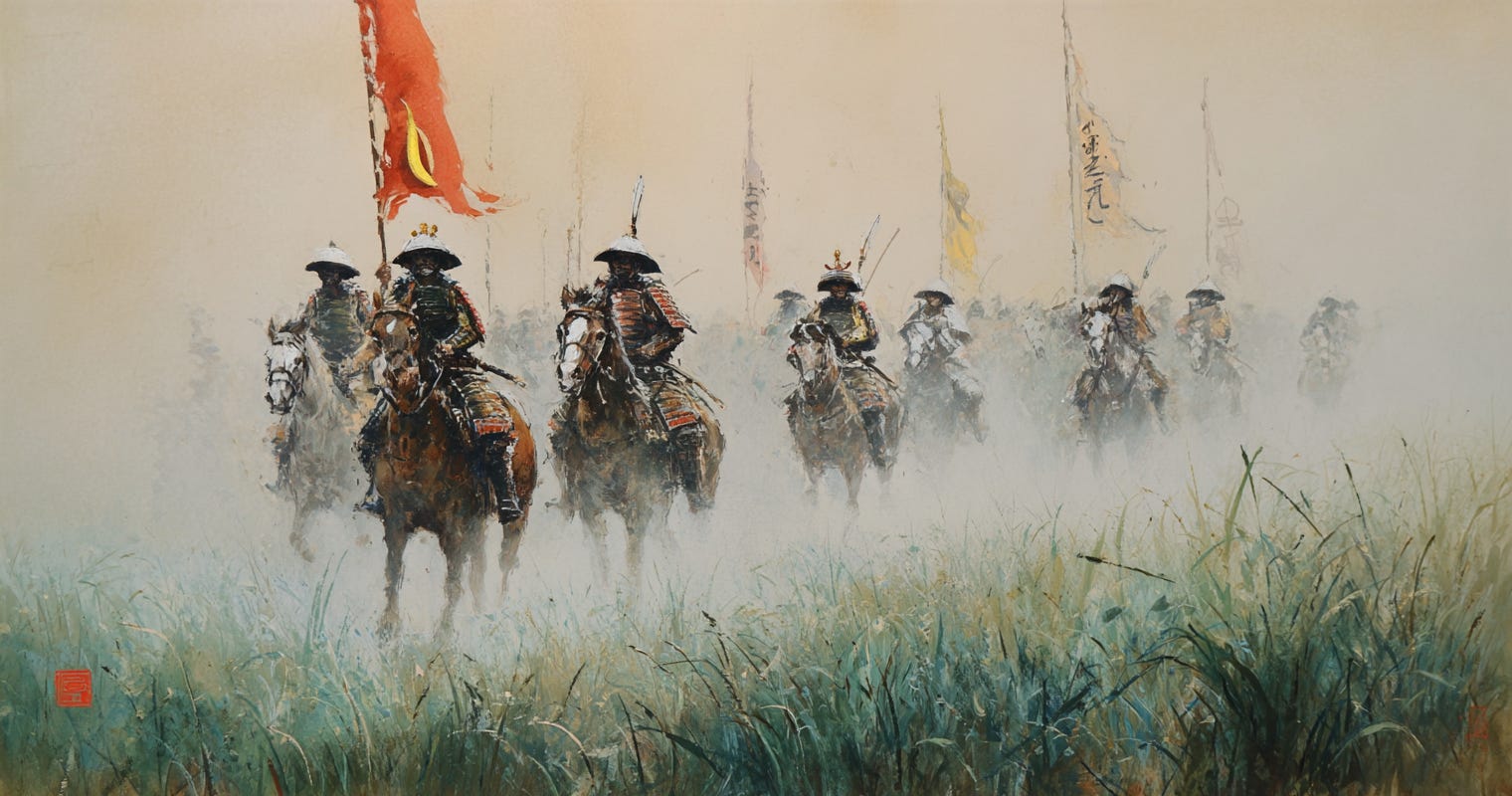
CONCLUSION — WHEN MYTH OVERSHADOWS HISTORY
The samurai were not what movies made them.
They were:
bureaucrats
warriors
land managers
aristocrats
judges
tax officials
administrators
They shaped Japan not through duels, but through documents.
Not through katanas, but through control of land and labor.
The myth of the wandering swordsman hides the reality of a political class that ruled Japan for nearly 700 years.
The samurai weren’t just warriors.
They were the state.
And understanding them means understanding how Japan functioned—
not in fantasy, but in history.