
The Habsburgs: When Inbreeding Destroyed an Economy
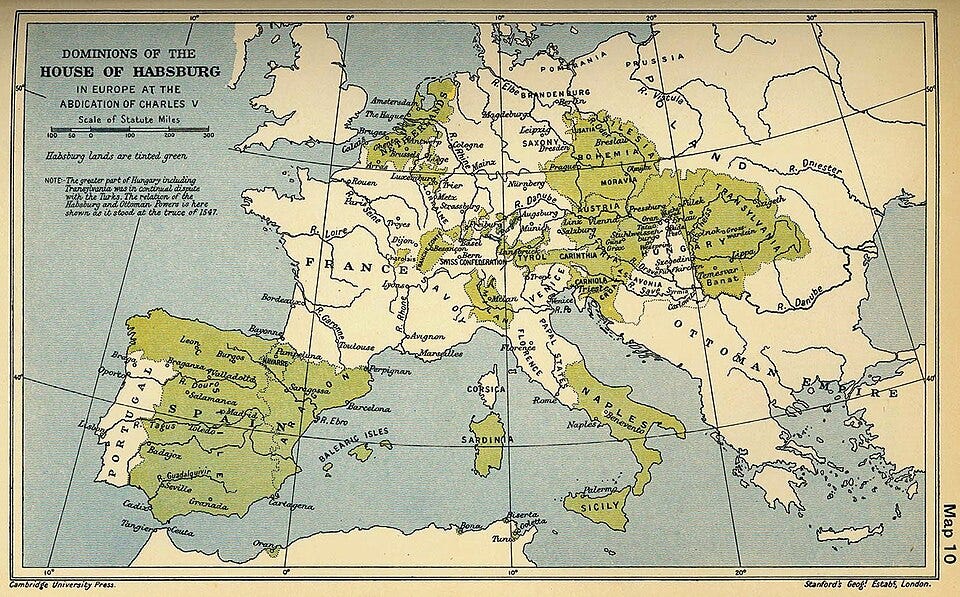
The Habsburgs were one of the most powerful royal families in European history. At their peak, they ruled Spain, Austria, the Holy Roman Empire, the Netherlands, and much of Italy and the Americas.
They did it largely through strategic marriages — “Bella gerant alii, tu felix Austria nube” (“Let others wage war; you, happy Austria, marry”).
But there was a dark side. They married each other. A lot.
The result was one of the most famous cases of royal inbreeding in history — and it helped destroy their empire.
The Habsburg Jaw and Genetic Disaster
Centuries of close family marriages led to extreme inbreeding. The most visible sign was the famous Habsburg Jaw (prognathism) — a severe underbite and deformed chin that worsened with each generation.
Charles II of Spain (the last Habsburg king of Spain) was the most extreme example. He suffered from:
Severe physical and mental disabilities
Inability to produce heirs
Constant health problems
He was so inbred that his parents were uncle and niece. Geneticists estimate his inbreeding coefficient was higher than that of children of siblings.
How Inbreeding Destroyed the Economy
The genetic problems weren’t just cosmetic:
Weak, ineffective rulers who couldn’t manage the empire properly.
Frequent health crises and early deaths disrupted governance.
Massive medical and court expenses drained treasuries.
Inability to produce healthy heirs led to succession crises and wars (War of the Spanish Succession).
By the time Charles II died in 1700 without heirs, the Spanish branch of the Habsburgs was extinct. The empire was financially exhausted and militarily weakened.
The Austrian branch survived longer but also suffered from the same genetic issues and poor leadership.
The Broader Lesson
The Habsburgs show how even the most powerful families can destroy themselves through short-sighted marriage strategies. Inbreeding preserved power in the short term but created fragile, incompetent rulers who couldn’t sustain the empire.
Their decline helped shift power away from traditional monarchies toward more modern states.
Historygonebananas Signature Close
The Habsburgs thought marrying cousins would keep power in the family. Instead, it created a genetic time bomb that helped bankrupt and weaken one of Europe’s greatest empires.
The Habsburg Jaw wasn’t just ugly — it was expensive.
What do you think — was inbreeding the main reason for their decline, or were other factors more important? Would you rather be a powerful but inbred Habsburg or a healthy commoner?
Drop your thoughts below. I read every single one (and occasionally judge them while keeping my jaw firmly shut).
SEO/AEO FAQ
Q1: What was the Habsburg Jaw?
A: A severe underbite and facial deformity caused by centuries of inbreeding.
Q2: How inbred were the Habsburgs?
A: Extremely — many marriages were between close relatives (uncles/nieces, first cousins).
Q3: Did inbreeding destroy their economy?
A: It contributed heavily through weak rulers, succession crises, and massive costs.
Q4: Who was Charles II of Spain?
A: The last Habsburg king of Spain, one of the most inbred royals in history, who died without heirs in 1700.
Q5: What happened to the Habsburg Empire?
A: The Spanish branch died out; the Austrian branch survived longer but eventually declined.
Q6: What’s the main lesson?
A: Even the most powerful families can destroy themselves through short-sighted marriage strategies.
Truly surprising and foolish that the members of this dynasty failed to recognize and react to the obvious genetic deficiencies caused by marriage to close relatives. 🤨😕