
The 1970s: The Decade That Shaped the Modern World
The modern world was not shaped in the digital age.
It wasn’t built in the 1990s.
And it certainly wasn’t designed for smartphones.
It was forged in the 1970s—a decade most people remember vaguely, and policymakers remember too well.
Oil, inflation, broken currencies, and collapsing trust didn’t just damage economies. They rewired how governments think. And once institutions learn fear, they rarely forget it.
The End of the Old Certainties
Before the 1970s, Western governments believed in control.
Money could be managed.
Growth could be engineered.
Energy was cheap and endless.
War between major powers was unthinkable.
Then, almost all of those assumptions broke—at the same time.
In 1971, Richard Nixon ended the dollar’s link to gold.
In 1973, oil prices exploded.
By the late 1970s, inflation was devouring wages and savings.
The postwar order didn’t collapse—it malfunctioned.
Oil Shocks: When Energy Became Power
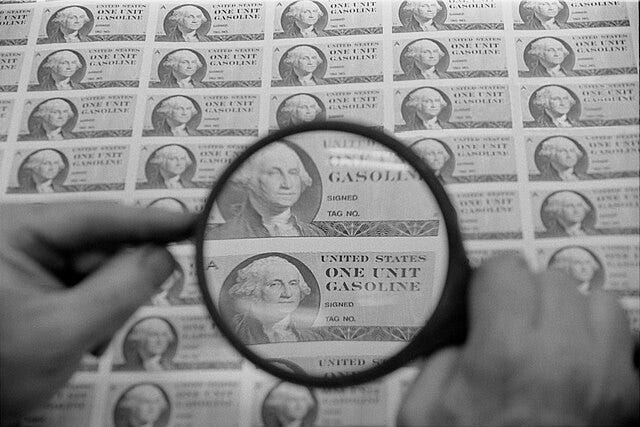
The first oil shock came in 1973, when Arab members of OPEC cut supply in response to the Yom Kippur War.
Energy prices quadrupled.
Western economies froze. Factories slowed. Inflation surged. Governments discovered something uncomfortable:
Modern economies run on energy—and energy can be weaponized.
This was the moment policymakers learned that resources mattered again.
Stagflation Breaks the Textbooks
The 1970s delivered something economists weren’t prepared for: stagflation.
High inflation.
High unemployment.
Low growth.
The old Keynesian playbook assumed inflation and unemployment moved in opposite directions. Reality disagreed.
Confidence in expert management collapsed. So did trust in institutions.
Once credibility is lost, restoring it becomes the central obsession.
Money Loses Its Anchor
Ending the gold standard didn’t immediately break the system—but it removed discipline.
Currencies floated. Governments printed. Inflation accelerated.
Central banks learned a painful lesson:
Money without credibility is unstable.
From this trauma emerged a new orthodoxy:
Independent central banks
Inflation targets
Sacrificing growth to preserve trust
These rules weren’t ideological. They were defensive scars.
The Political Consequences
Economic chaos reshaped politics.
Voters lost faith in:
Governments
Experts
Grand promises
This environment produced leaders like Margaret Thatcher and Ronald Reagan, who didn’t invent new systems so much as react against the failures of the old ones.
The 1980s were not a revolution.
They were a counter-reaction.
Why Governments Still Fear Inflation
Modern policymakers don’t fear recessions the way they fear inflation.
Why?
Because recessions hurt politically—but inflation destroys legitimacy.
The 1970s taught governments that once people lose faith in money, everything else follows.
That fear still governs:
Interest-rate decisions
Fiscal restraint
Crisis responses
Even when circumstances are different, the memory remains.
🍌 History’s Lesson
The 1970s didn’t just change policy.
They changed psychology.
Institutions learned:
Stability matters more than speed
Credibility matters more than growth
Energy, money, and trust are inseparable
Every major decision today—about inflation, energy, debt, or crisis—still carries the fingerprints of that decade.
The 1970s never ended.
They simply became the rulebook.
❓ FAQ
Why is the 1970s considered so important today?
Because it reshaped money, energy policy, inflation control, and public trust, creating institutions and fears that still guide governments.
What was stagflation and why did it matter?
Stagflation combined high inflation with high unemployment, breaking existing economic models and undermining confidence in policymakers.
How did oil shocks change global politics?
They showed that energy could be weaponized, forcing countries to rethink security, supply chains, and economic vulnerability.
Why do central banks focus so much on inflation today?
Because inflation trauma in the 1970s taught policymakers that losing monetary credibility can destabilize entire societies.
Did the 1970s directly lead to neoliberal policies?
Indirectly. The failures of the 1970s discredited older systems, creating space for market-oriented reforms in the 1980s.