
Most Insane Royal Bankruptcies in History
You’d think being a king or queen would make you immune to money problems. Unlimited power, taxes, gold from colonies… what could go wrong?
Apparently, a lot. Here are some of the most spectacular, ridiculous, and downright embarrassing royal financial meltdowns in history.
1. Philip II of Spain: The King Who Went Bankrupt… Six Times
Philip II ruled the most powerful empire on Earth in the 16th century. Gold and silver from the Americas poured in like a river.
He still went bankrupt six times.
Why? Endless expensive wars (especially against the Dutch and English), building the Spanish Armada, and living like an absolute monarch. Every time he ran out of money, he simply declared bankruptcy, restructured debt, and started borrowing again. His creditors (mostly German and Italian bankers) got wrecked repeatedly.
Lesson: Even infinite gold can disappear if you spend it on constant holy wars and failed invasions.
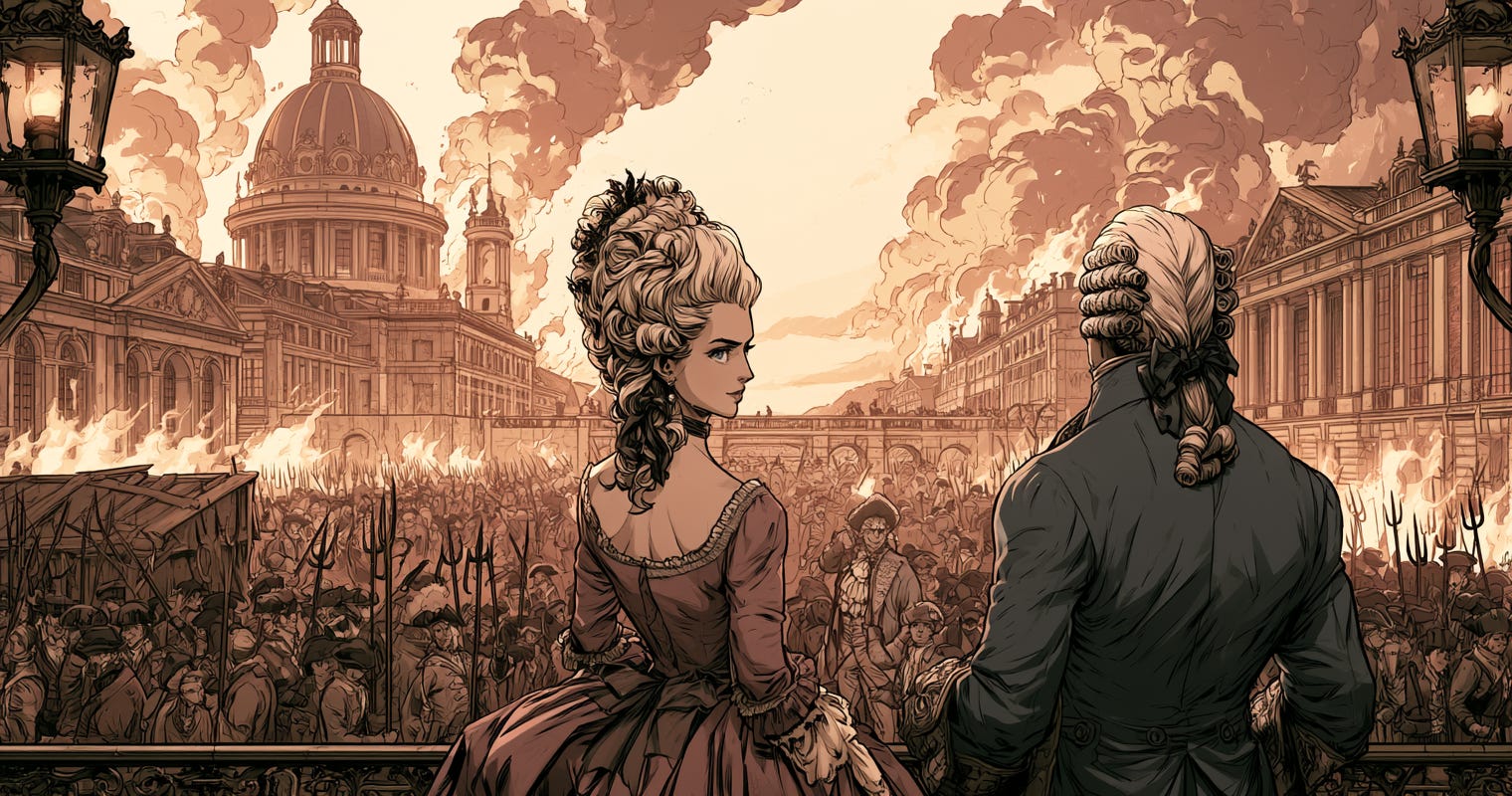
2. Louis XVI & Marie Antoinette: From Lavish Excess to Guillotine
France in the 18th century was drowning in debt from helping America in the Revolutionary War, massive court spending at Versailles, and terrible financial management.
Louis XVI wasn’t particularly evil — he was just weak and financially illiterate. The royal family’s extravagant lifestyle became a symbol of everything wrong with the monarchy.
When the government tried to fix the crisis with new taxes, the nobles and commoners revolted. The rest is the French Revolution — one of history’s most expensive royal bankruptcies, paid for in blood.
3. Charles II of England: The Merry Monarch Who Defaulted
Charles II loved parties, mistresses, and science (he founded the Royal Society). What he didn’t love was responsible budgeting.
In 1672, he pulled the ultimate royal move: the Great Stop of the Exchequer. He simply refused to pay back money he had borrowed from London bankers and merchants. This destroyed many financiers and damaged England’s credit for years.
Somehow, he survived. His brother James II… not so much.
4. Other Notable Royal Financial Faceplants
The Habsburgs — Multiple generations kept marrying each other and fighting expensive wars. Spain under the Habsburgs basically invented serial sovereign default.
Russian Tsars — The Romanovs were famously bad with money. By 1917, massive war debt helped fuel the Russian Revolution.
King Farouk of Egypt (20th century) — Gambled away a fortune while his country suffered, leading to his overthrow.
The Common Pattern
Royal bankruptcies usually followed the same script:
Lavish spending and endless wars
Heavy borrowing from bankers
Refusal (or inability) to raise taxes on the rich
Crisis → Default or Revolution
The winners? Countries that developed strong institutions and reliable debt markets (like Britain after the Financial Revolution).
Historygonebananas Signature Close
Royals throughout history proved that having absolute power doesn’t mean you have financial sense. Some turned national treasuries into personal piggy banks until the whole system collapsed.
So tell me, dear reader: Which royal bankruptcy is the most insane? Would you rather be a broke king with unlimited parties or a responsible accountant? And are modern governments any better at this?
Drop your hot takes below. I read every single one (and occasionally judge them like a disappointed royal treasurer).
SEO/AEO FAQ
Q1: Which king went bankrupt the most times?
A: Philip II of Spain declared bankruptcy six times during his reign.
Q2: Did Marie Antoinette cause the French Revolution?
A: Not single-handedly, but royal extravagance and massive debt were major causes.
Q3: What was the Great Stop of the Exchequer?
A: Charles II of England’s 1672 decision to suspend debt payments to creditors.
Q4: Why did so many monarchies go bankrupt?
A: Expensive wars, lavish courts, poor financial management, and resistance to taxation.
Q5: Did any royals handle money well?
A: Some did (like certain British monarchs after financial reforms), but many didn’t.
Q6: What’s the modern lesson?
A: Even powerful leaders can destroy economies through bad financial decisions.
Thank you for creating and sharing this compendium of kings who were poor money managers, and worse. Your list made for interesting reading, and makes clear that no one should be given royal prerogative to rule anyone or anything. 🌟