
May 25 2026
May 2026 History Collection: Revolutions, Crashes & Why Nations Rise or Fall
May was a month of big-picture thinking. We moved from specific chaotic years and elite military units into the deeper structural forces that determine whether nations thrive or stagnate.
What We Covered in May
1973: The Year Inflation Broke the World The oil shocks, collapse of Bretton Woods, and birth of stagflation marked the definitive end of the postwar economic golden age.
https://open.substack.com/pub/historygonebananas/p/1973-the-year-inflation-broke-the-444?r=6o8kx4&utm_campaign=post&utm_medium=web&showWelcomeOnShare=true
1979: What Happened in the Middle East One single year brought the Iranian Revolution, the Egypt-Israel peace treaty, the Soviet invasion of Afghanistan, and the Grand Mosque siege — events whose consequences are still shaping geopolitics today.
https://www.historygonebananas.com/publish/post/192054864?r=6o8kx4&utm_campaign=post&utm_medium=web&showWelcomeOnShare=true
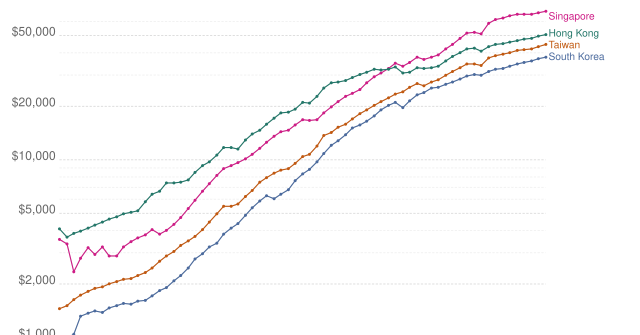
Development Traps & Divergence We examined why the middle-income trap is so hard to escape, why Mexico’s industrialization never fully succeeded, and the dramatic contrast between Latin America’s struggles and East Asia’s rapid takeoff.
https://open.substack.com/pub/historygonebananas/p/why-export-discipline-beats-protectionism?r=6o8kx4&utm_campaign=post&utm_medium=web&showWelcomeOnShare=true
https://open.substack.com/pub/historygonebananas/p/why-the-middle-income-trap-is-so?r=6o8kx4&utm_campaign=post&utm_medium=web&showWelcomeOnShare=true
https://open.substack.com/pub/historygonebananas/p/import-substitution-vs-export-discipline?r=6o8kx4&utm_campaign=post&utm_medium=web&showWelcomeOnShare=true
https://open.substack.com/pub/historygonebananas/p/why-latin-america-fell-behind-while?r=6o8kx4&utm_campaign=post&utm_medium=web&showWelcomeOnShare=trueResource Curse & Institutional Quality Why so many resource-rich countries remain poor while nations with few natural resources become wealthy.
Why London Ate Britain:
https://open.substack.com/pub/historygonebananas/p/why-london-ate-britain?r=6o8kx4&utm_campaign=post&utm_medium=web&showWelcomeOnShare=true
🍌 The Core Lesson from May
Nations rarely fail because they lack resources, intelligence, or opportunity. They fail when their institutions cannot adapt to new realities — whether energy shocks, revolutionary pressures, or structural economic traps.
Success belongs to societies that build flexible, high-quality institutions and maintain the discipline to evolve. Rigid systems and short-term thinking almost always lose in the long run.
What’s Coming in June
June will take us deeper into ancient Rome’s rise and long decline, Asian empires, military innovation, and more wild stories of power, betrayal, and resilience.
Thank you for being part of HistoryGoneBananas as we rebuild. The best stories are still ahead.
FAQ
What was the most important year in modern Middle East history?
1979 — a single year that still defines much of today’s geopolitics.
Why is the middle-income trap so difficult to escape?
Countries get stuck between low-wage manufacturing and high-value innovation without the institutions needed to make the jump.
Did 1973 cause the end of the postwar boom?
Yes. The combination of oil shocks and monetary instability marked the definitive end of the 1945–1973 golden age of Western growth.