
Introduction — A Country That Looked Very Different
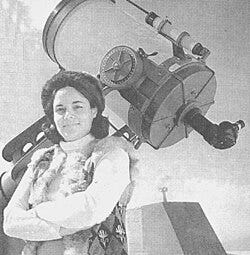
This is a photo of Dr. Shahla Solh-ju: First Co-Director of Pahlavi University's Abu Reihan Observatory, one of Iran's very first female professional astronomers.
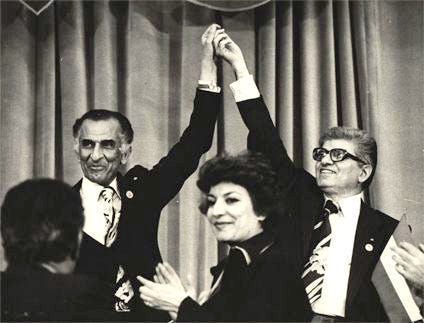
Amouzegar elected as prime minister.
Photos of Iran in the 1960s and 1970s often shock people today.
Women in universities without headscarves.
Western fashion in Tehran.
Nightclubs, cinemas, and modern highways.
This was not an illusion — but it was also not the full picture.
Iran under the Shahs was a country racing toward modernity while quietly storing up resentment.
1. The Pahlavi Vision: Modernization at Speed
Reza Shah (r. 1925–1941) and later Mohammad Reza Shah believed Iran’s survival depended on rapid modernization.
Their goals were clear:
secular governance
strong central authority
industrialization
alignment with Western powers
Oil revenue made this possible.
Iran built:
universities
infrastructure
a modern military
state-led industries
Tehran became a showcase capital.
2. Women, Education, and Urban Freedom
Urban Iran — especially Tehran, Shiraz, and Isfahan — experienced dramatic social change.
Women gained:
access to higher education
employment in medicine, law, and civil service
legal rights in marriage and divorce
Headscarves were not banned, but they were no longer mandatory.
For the urban middle and upper classes, life looked increasingly Western.
3. The Hidden Divide: City vs Countryside
Modernization was uneven.
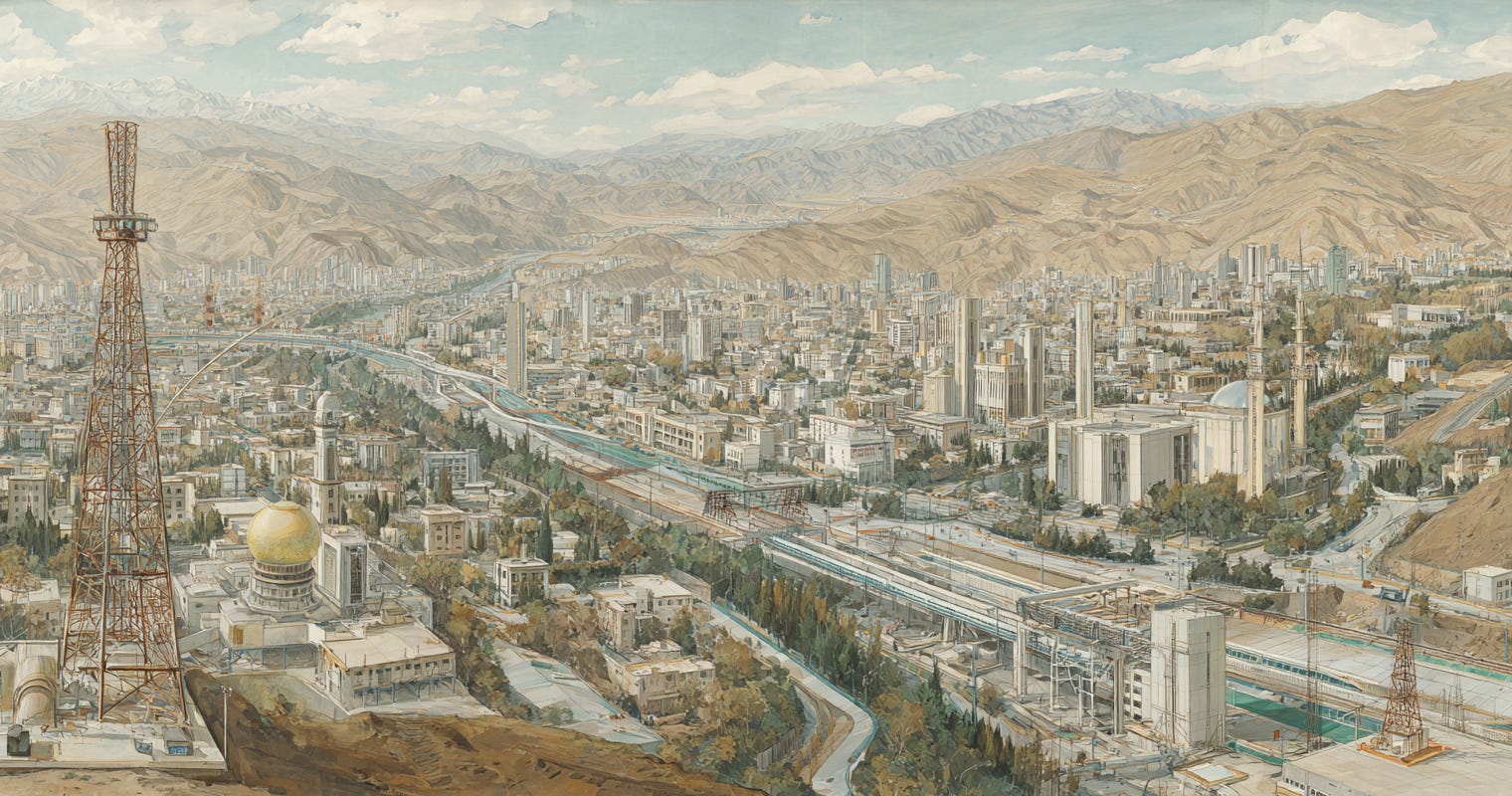
Urban elites benefited most.
Rural and religious communities felt left behind.
Many Iranians experienced:
loss of traditional livelihoods
cultural dislocation
growing inequality
The pace of change created alienation.
Modernization was top-down, not negotiated.
4. Authoritarian Stability
The Shah maintained control through:
a powerful security state
censorship
repression of political opposition
Groups suppressed included:
communists
Islamists
nationalists
The system delivered stability — but not legitimacy.
5. Foreign Alignment and Resentment
Iran’s close relationship with:
the United States
Britain
created long-term resentment.
The memory of the 1953 coup (which removed Prime Minister Mossadegh) lingered.
To many Iranians, the Shah looked less like a national leader and more like a Western-backed ruler.
Conclusion — A Modern Surface, Fragile Foundations
Iran under the Shahs was modernizing fast — but without political inclusion.
Women’s freedoms existed.
Economic growth existed.
Stability existed.
But legitimacy did not.
That gap proved fatal.
FAQ — Iran Before the Revolution
What was Iran like before the 1979 Islamic Revolution?
Iran under the Shahs was rapidly modernizing, especially in major cities. Oil revenue funded infrastructure, education, and a growing middle class, while political freedoms remained limited.
Were women free in Iran before 1979?
Women had significantly more legal and social freedom in urban Iran, including access to higher education, professional careers, and personal dress choices. These freedoms were not uniform across the country.
Was Iran a Western-style democracy under the Shah?
No. Iran was an authoritarian monarchy. While modernization and economic growth occurred, political opposition was heavily restricted.
Why did people oppose the Shah despite modernization?
Opposition grew due to inequality, political repression, corruption, cultural alienation, and resentment toward foreign influence, particularly after the 1953 coup.
Did everyone in Iran support the Shah before the revolution?
No. Support varied widely by class, region, and ideology. Urban elites often benefited more from modernization than rural or religious communities.
Was the Islamic Revolution inevitable?
No revolution is inevitable. The Shah’s system collapsed because legitimacy eroded faster than institutions could adapt to rising pressure.
Did religion play a role before the revolution?
Yes. Religious networks remained influential and provided alternative sources of authority and organization outside the state.
Why are photos of pre-1979 Iran so surprising today?
Because modern Iran looks very different. Images from the 1960s–70s reflect urban elite life and don’t capture the full complexity of Iranian society at the time.