
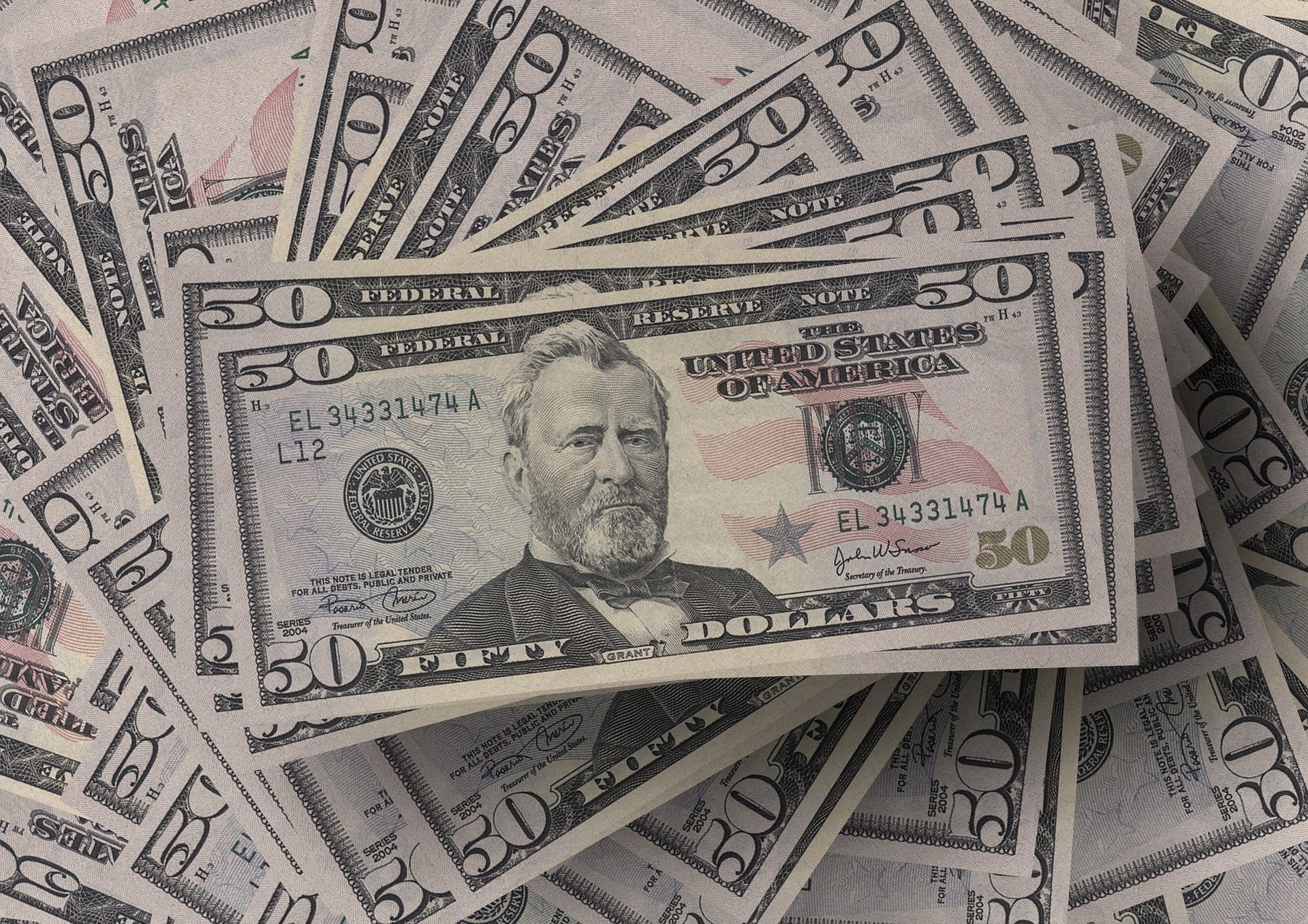
How the U.S. Dollar Became the World’s Money
The U.S. dollar didn’t conquer the world. It outlasted it.
There was no coronation, no global vote. The dollar simply kept showing up—in trade invoices, bank balances, and reserve vaults—until one day the world realized it was already using it for everything.
That outcome wasn’t inevitable. It was historical.
Before the Dollar, the Pound Ruled
For most of the 19th century, the world ran on the British pound. Britain’s navy protected sea lanes, London financed trade, and empire supplied credibility.
Two world wars broke that system.
By 1945, Britain was exhausted and indebted. The pound survived—but its role did not.
Someone else had to anchor the system.
Bretton Woods: The Dollar Gets the Job
In 1944, Allied governments met at the Bretton Woods Conference to design a postwar order.
The deal was simple:
The dollar would be convertible to gold
Other currencies would peg to the dollar
Trade would settle through dollars
Why the United States? Because it held most of the world’s gold, had intact industry, and was the largest creditor on Earth. This wasn’t ideology—it was arithmetic.
The Gold Window Closes, the Dollar Doesn’t
In 1971, Richard Nixon ended dollar–gold convertibility.
By theory, the dollar should have collapsed. It didn’t—because by then the world wasn’t using dollars because of gold. It was using dollars because contracts, debts, and trade were already written in them.
History had moved on.
Oil, Trade, and Inertia
In the 1970s, oil pricing standardized in dollars. If you wanted energy, you needed dollars. If you needed dollars, you exported to—or borrowed from—the dollar system.
A loop formed. Not a conspiracy—a convenience.
Switching currencies at global scale is expensive. The dollar benefited from inertia.
Institutions That Locked It In
Postwar finance reinforced the system:
International Monetary Fund
World Bank
Dollar-based trade finance
U.S. Treasury markets as global “safe assets”
By the 1990s, the dollar wasn’t just money. It was infrastructure.
Why the Dollar Lasted
Reserve currencies endure when systems do. The dollar lasted because:
U.S. markets were deep and liquid
Contracts were enforceable
Capital could move freely
Crises were survivable
History favors predictability more than perfection.
🍌 History’s Lesson
The dollar wasn’t chosen—it survived.
Reserve currencies aren’t crowned. They’re used, until they aren’t. History doesn’t ask whether a system is fair; it asks whether it works.
For a very long time, the dollar did.
❓ FAQ
Why is the U.S. dollar the world’s reserve currency?
Because after WWII the U.S. had the largest economy, most gold, and stable institutions, making the dollar the safest medium for trade and reserves.
When did the dollar replace the British pound?
Gradually between WWI and WWII, formalized at Bretton Woods in 1944.
Is the dollar still backed by gold?
No. Gold convertibility ended in 1971; today the dollar rests on institutions and market depth.
Why didn’t the dollar collapse after 1971?
Trade, oil pricing, and finance were already dollar-based, creating powerful inertia.
Can another currency replace the dollar?
Historically, replacements are slow and require global willingness to switch systems—not just a challenger.