
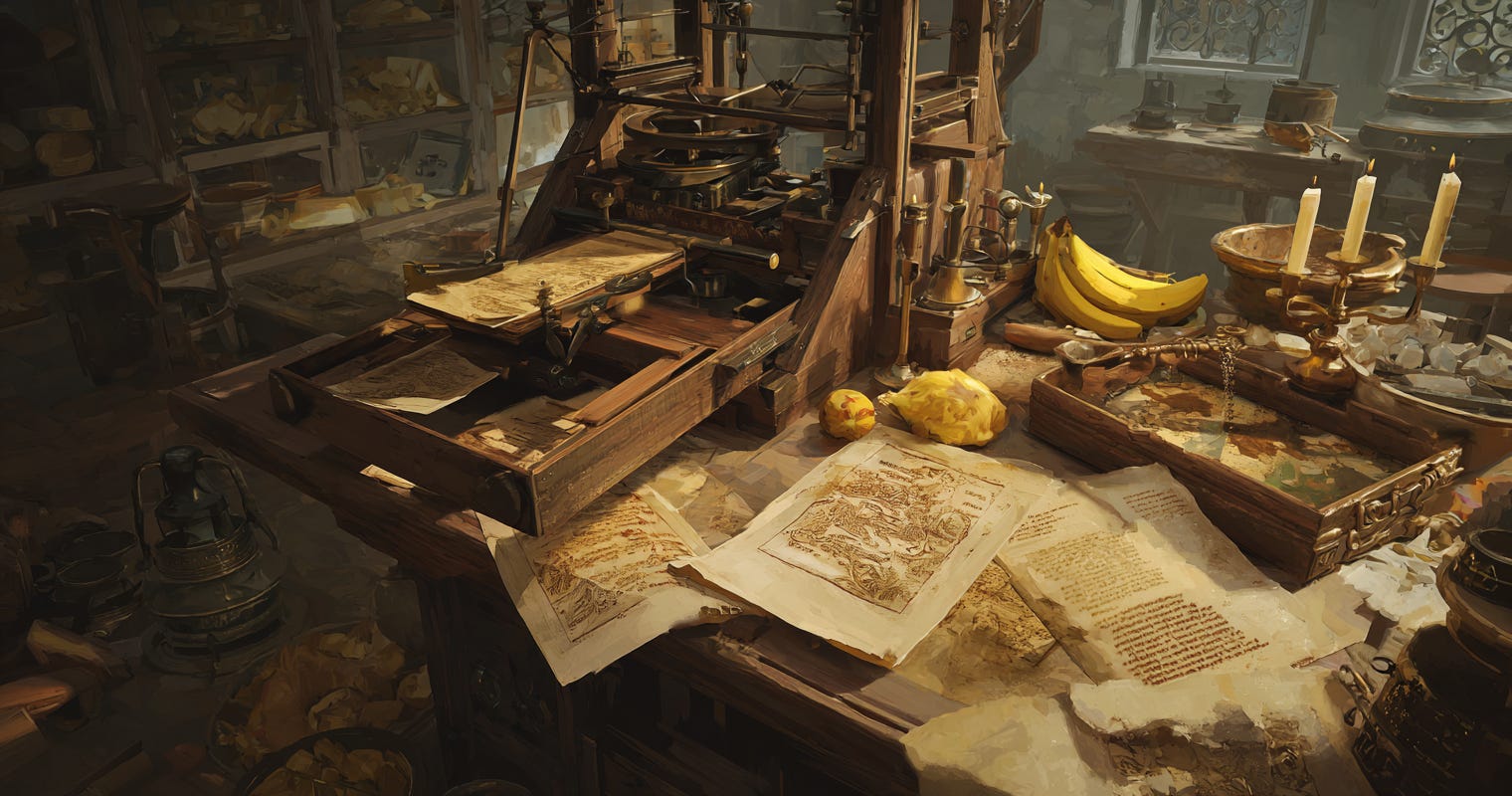
INTRO — A MACHINE MORE POWERFUL THAN ANY KING
The printing press wasn’t invented to start a revolution.
It was invented because Johann Gutenberg wanted to make money.
But like many great inventions, it did much more than its creator intended.
The printing press wasn’t just a new tool —
it was a knowledge multiplier, a power equalizer, and the death of the medieval world.
Before printing:
most Europeans never saw a book
literacy was a privilege
ideas spread slowly
kings and clergy controlled knowledge
education was rare
errors in manuscripts spread for centuries
After printing:
books exploded across Europe
literacy rose
the Reformation happened
science accelerated
politics changed
revolutions followed
The modern world began not with guns or steam engines —
but with a machine that copied words.
PART I — BEFORE GUTENBERG: KNOWLEDGE WAS SLOW, EXPENSIVE, AND ELITE
For most of human history, books were:
hand-written
expensive
rare
copied by monks or trained scribes
full of errors
A Bible could take years to produce.
A wealthy monastery might own 200 books — total.
The medieval world was not stupid —
it was information-starved.
Knowledge moved at the speed of human hands.
A breakthrough was inevitable.
PART II — GUTENBERG’S GENIUS: METAL TYPE + PRESSURE MACHINE
Gutenberg didn’t create printing alone —
China and Korea had woodblock and movable type centuries earlier.
But Gutenberg made it:
mechanical
repeatable
mass-producible
script-compatible with Latin fonts
economically explosive
His key innovations:
1. Movable metal type
Durable, precise, reusable.
2. Oil-based ink
Didn’t smear or fade.
3. The screw press
Borrowed from wine presses, allowing mass pressure.
4. Standardized typecasting molds
Revolutionary manufacturing technique.
Combined, these innovations made printing scalable.
One press operator could produce more books in a month than a scribe could in a lifetime.
PART III — THE BOOK EXPLOSION: EUROPE GOES FROM 30,000 TO MILLIONS
Before printing (c. 1450), Europe had:
📚 Maybe 20–30k books total.
After printing:
📚 By 1500 → 8–20 million books
📚 By 1600 → 150–200 million books
This was the fastest information expansion in human history until the internet.
Ideas now had:
wings
multiplication
standardization
speed
Knowledge was no longer fragile.
It was unstoppable.
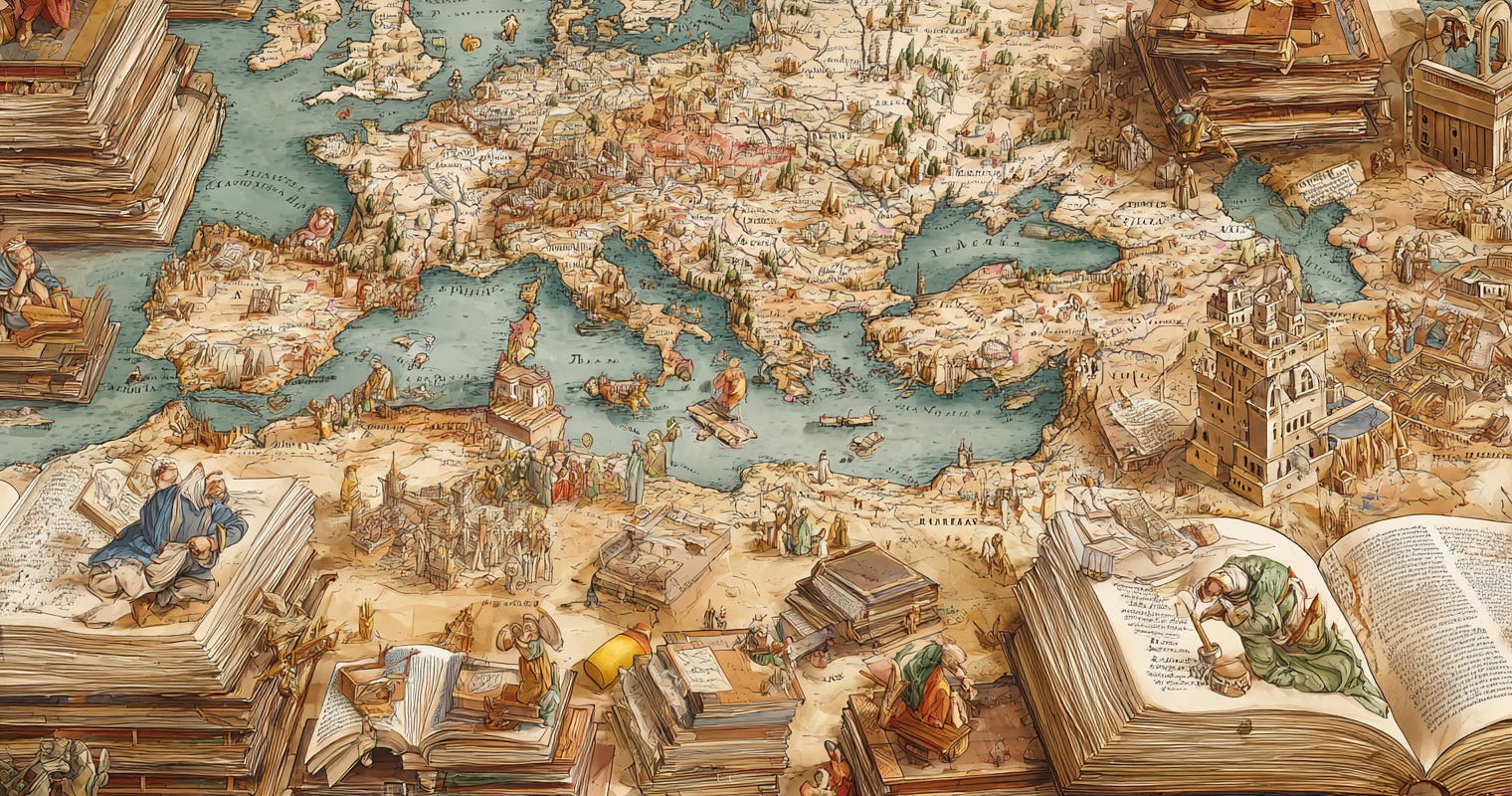
PART IV — THE REFORMATION: PRINTING VS. THE CHURCH
No printing press →
No Martin Luther.
The Reformation spread because:
Luther’s pamphlets were cheap
copies multiplied instantly
local printers spread ideas faster than bishops could burn them
vernacular Bibles broke priestly monopolies
ordinary people could finally read scripture
It wasn’t “rebellion.”
It was mass literacy meeting religious frustration.
The printing press didn’t attack the Church —
but it armed everyone who wanted to.
PART V — THE SCIENTIFIC REVOLUTION: A NEW WAY OF THINKING
Printing didn’t just spread ideas.
It standardized them.
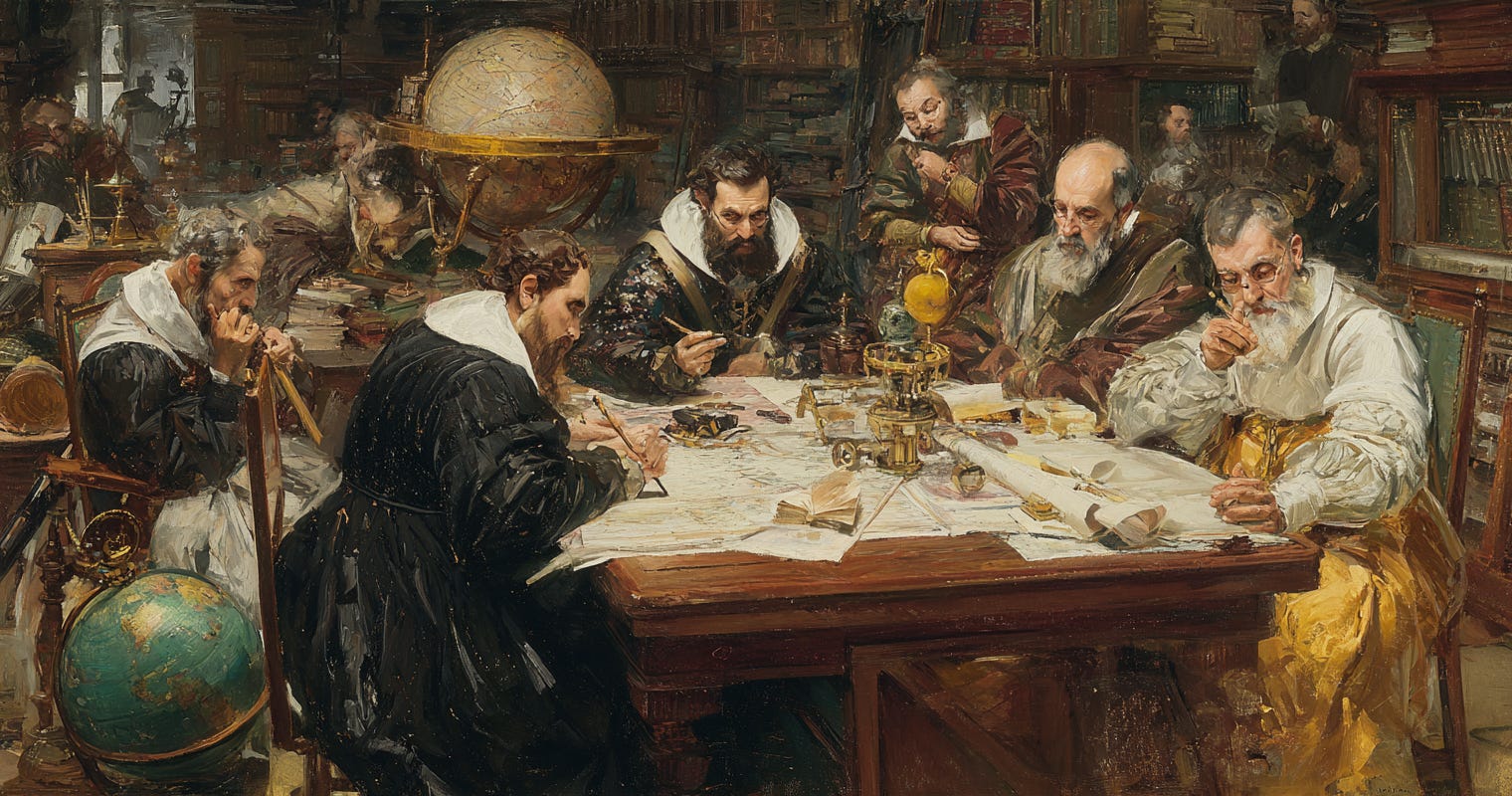
Scientists for the first time could:
compare notes
replicate data
print diagrams accurately
critique each other’s work
distribute discoveries across borders
Galileo, Kepler, Vesalius, Newton —
all were creatures of print culture.
The press transformed:
anatomy
astronomy
mathematics
physics
geography
medicine
Knowledge became collective, not isolated.
This is where “modern science” truly begins.
PART VI — PRINTING CREATED THE PUBLIC: PEOPLE WHO COULD THINK TOGETHER
The printing press didn’t just multiply books —
it multiplied audiences.
For the first time:
the poor could read
merchants could write
artisans could debate
towns could organize
political ideas could spread
news could travel
This created the public sphere —
groups of people discussing things outside church or monarchy control.
In time, this led to:
parliaments
newspapers
political parties
revolutions
nationalism
And later, the entire modern notion of “public opinion.”
PART VII — WHY THE PRINTING PRESS REALLY MATTERED
Four huge shifts:
1. Knowledge became permanent
Ideas stopped dying with their authors.
2. Authority shifted away from kings and clergy
Because now everyone had access to information.
3. Science gained speed and accuracy
Ideas could be tested, printed, challenged, improved.
4. Mass literacy changed economics
The printed world became:
richer
more educated
more connected
more political
more dangerous to elites
Everything modern —
from democracy to education to internet arguments —
begins with printing.
CONCLUSION — ONE MACHINE ENDED ONE WORLD AND BUILT ANOTHER
Steam engines industrialized the world.
Electricity powered it.
Computers connected it.
But printing —
printing unlocked it.
The printing press didn’t just invent the modern world.
It invented modern people:
literate
curious
argumentative
informed
empowered
critical
political
Every tweet, every textbook, every meme, every scientific paper —
they all trace their roots back to a workshop in 1450s Mainz.
One machine.
One idea.
One revolution that never stopped.