
Introduction — Cities Don’t Rise by Accident
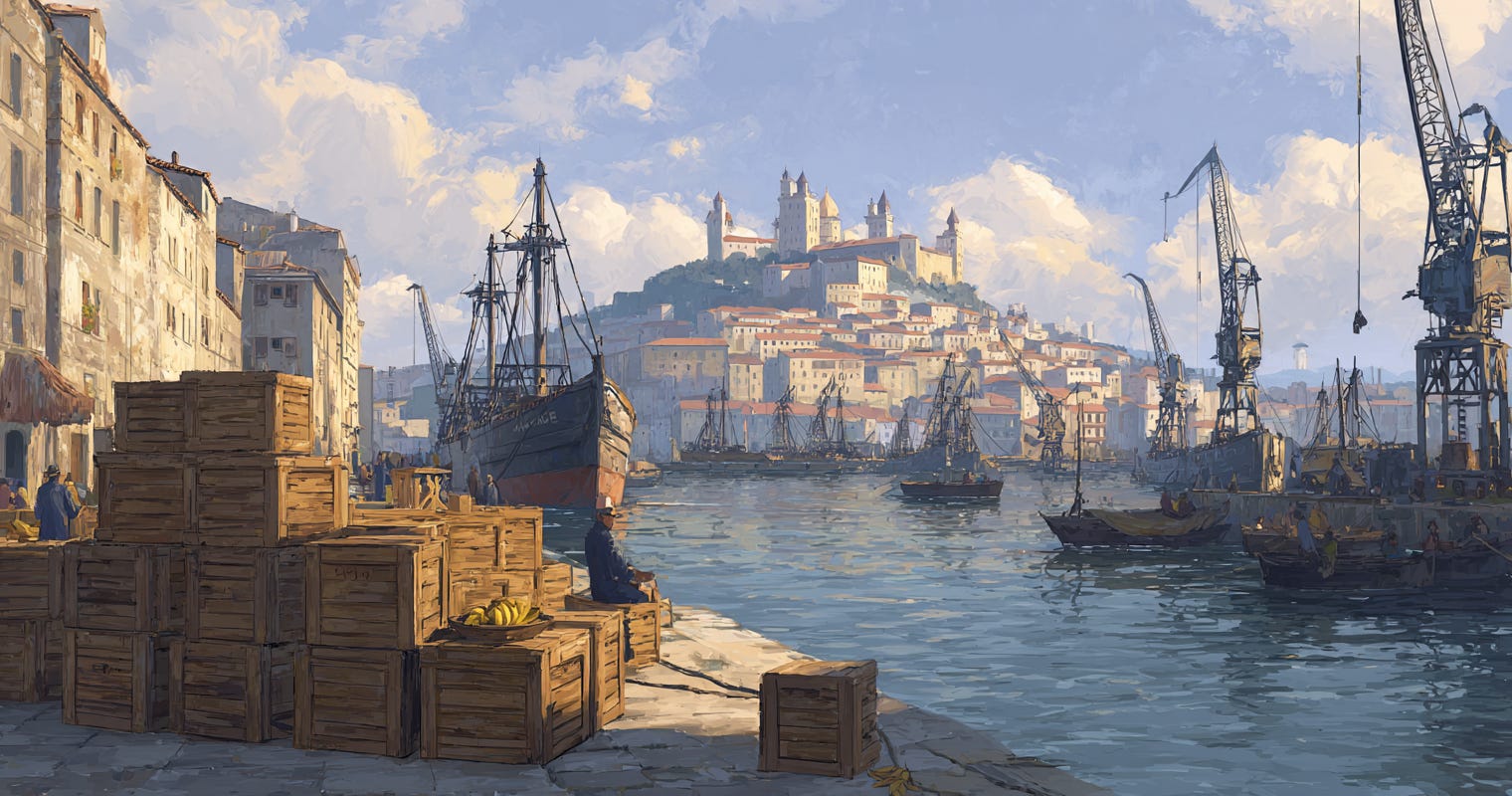
Cities do not become rich by accident.
Across history, one factor explains why some cities explode with wealth while others stall or fade:
access to cheap, scalable shipping.
Ports grow rich.
Inland cities face limits.
Trade routes shift — and fortunes move with them.
This pattern is so consistent that geography often matters more than ideology, culture, or governance.
1. Shipping Is the Cheapest Transport Humanity Ever Invented
Moving goods over water is dramatically cheaper than moving them over land.
One ship can move what would otherwise require:
thousands of trucks
hundreds of trains
massive fuel and labor
This has been true since antiquity.
Any city connected to maritime trade gains:
lower input costs
access to larger markets
the ability to scale
Any city cut off from it faces a permanent ceiling on growth.
2. Ports Don’t Just Move Goods — They Concentrate Wealth
Ports are not neutral infrastructure.
They attract:
merchants
insurers
bankers
warehouses
shipbuilders
logistics firms
Trade creates clusters, and clusters create compounding advantage.
This is why port cities repeatedly outgrow inland rivals — even when those rivals are culturally sophisticated or politically powerful.
Shipping creates ecosystems, not just transactions.
3. Why Even Great Inland Cities Had to Invent Ports
The power of shipping is so decisive that even elite inland societies eventually tried to build their own access to it.
Florence and Livorno
Florence was one of the great capitals of the Renaissance:
finance
art
political influence
But Florence had a fatal weakness.
It had no port.
That meant:
dependence on rivals like Pisa and Genoa
higher transport costs
limited access to global trade
The solution was not better art or smarter politics.
It was geography.
In the late 16th century, the Medici built Livorno — a purpose-built port city designed solely to give Florence maritime access.
Livorno was granted:
free-port status
customs flexibility
religious tolerance to attract merchants
Florence understood a hard historical truth:
Cultural brilliance cannot replace shipping access.
4. Venice vs Florence: Shipping Decides the Winner
Venice did not dominate Europe intellectually.
But it had:
direct access to sea lanes
fleets
docks
warehouses
Venice grew rich not because it was wiser —
but because it sat directly on maritime trade routes.
Florence had to engineer a port.
Venice already was one.
Shipping decided the outcome.
5. Choke Points Turn Geography Into Power
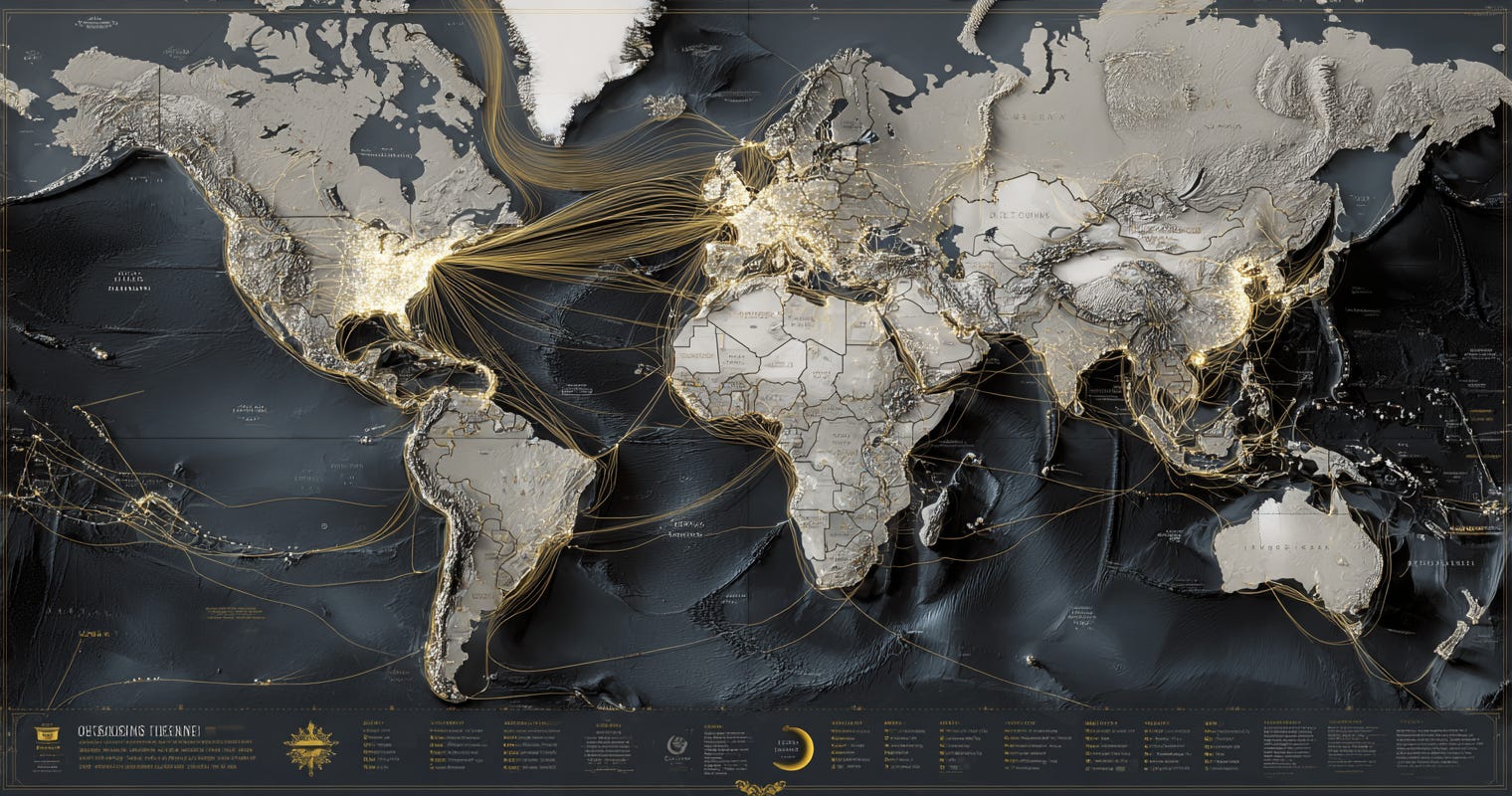
Not all ports are equal.
Cities near unavoidable routes — straits, canals, narrow seas — gain leverage far beyond their size.
Historically:
controlling choke points meant taxing global trade
losing access meant rapid decline
Trade routes reward cities positioned at crossroads.
Others fade, regardless of policy or talent.
Geography does not negotiate.
6. Inland Cities Are Not Doomed — But They Are Limited
Inland cities can thrive — but usually only when:
connected by navigable rivers
linked to ports by rail
fully integrated into logistics networks
Without those connections, inland economies rely on:
local markets
higher transport costs
slower scaling
Shipping does not guarantee success —
but lack of shipping guarantees limits.
7. A Modern Trap: Central Asia Without Shipping
Central Asia shows these limits clearly.
Kazakhstan and its neighbors possess:
vast land
minerals
energy resources
Yet they lack direct access to the sea.
As a result:
exports face higher costs
industries struggle to scale globally
trade depends on long rail corridors through other states
Rail helps — but it does not replace ships.
Even with modern infrastructure, Central Asia remains constrained by geography.
Its economies grow, but rarely explode.
History shows this pattern repeatedly:
Landlocked regions can function.
Maritime regions can dominate.
8. Containerization Changed the Map — Again
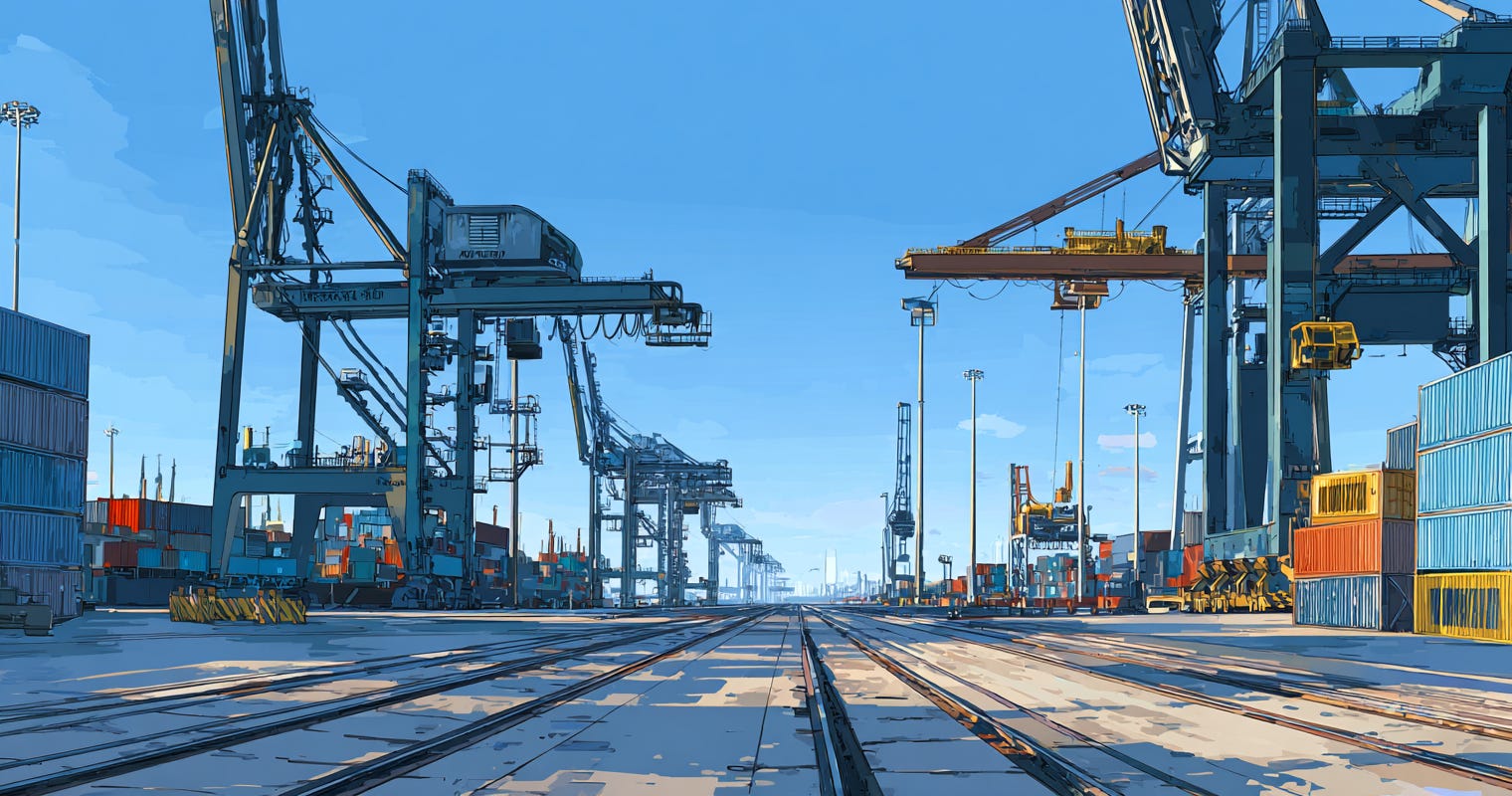
In the mid-20th century, shipping underwent another revolution.
Containers:
slashed loading times
reduced theft
standardized global trade
Cities that modernized their ports surged ahead.
Cities that failed to adapt declined.
Modern ports are no longer just docks.
They are logistics systems:
ports
rail hubs
warehouses
data networks
Scale became decisive once again.
9. Why Policy Can’t Easily Fix Geography
Governments can:
subsidize industries
rewrite laws
promote cities
They cannot:
move coastlines
shorten sea routes
eliminate transport costs
This is why some cities stagnate despite competent governance —
and others thrive despite mediocre policy.
Shipping advantages compound over time.
Conclusion — Geography Is the Silent Kingmaker
History shows a brutal consistency:
Cities plugged into global shipping grow rich.
Cities cut off from it fall behind.
Empires rise and fall.
Ideologies change.
Borders shift.
But ships still choose the cheapest route.
And cities live or die by whether they sit along it.