
Intro — Power Without Office
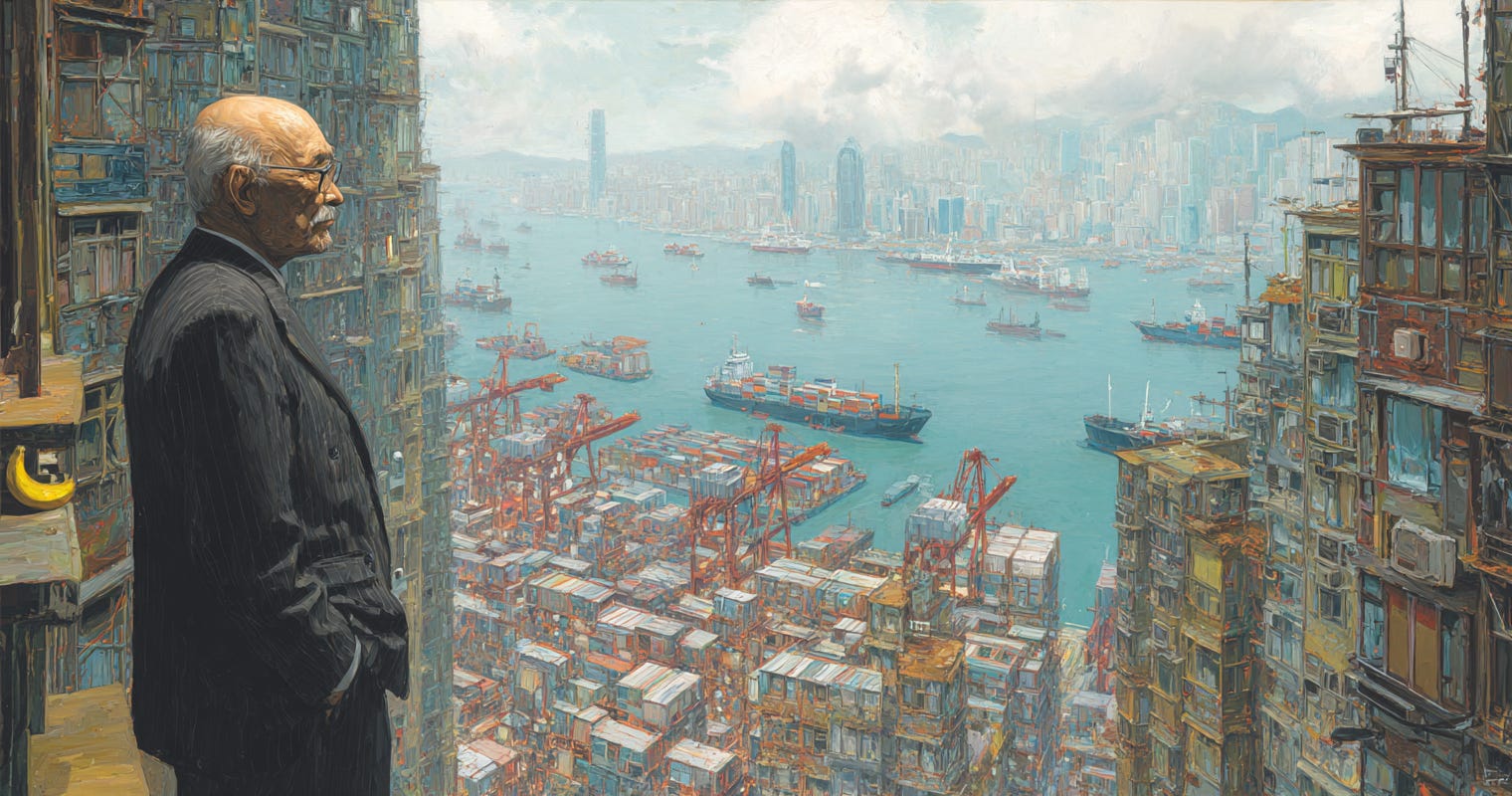
Li Ka-shing never ruled Hong Kong.
He never ran the government.
Never led a political party.
Never needed public office.
Yet for decades, few individuals shaped Hong Kong’s economy more than he did.
Not through ideology.
Through ownership.
Li didn’t build flashy tech firms or consumer brands.
He bought land, housing, ports, utilities, telecoms — and even where people bought groceries.
He didn’t chase growth.
He positioned himself inside the daily life of the city.
1. Hong Kong’s Perfect Capitalist Environment
Post-war Hong Kong offered a rare setup:
British rule and strong property rights
Free capital movement
Minimal regulation
Explosive population growth
Extreme land scarcity
The government stayed small.
Markets stayed open.
Property demand never stopped rising.
This was not an innovation economy.
It was a rent-and-infrastructure economy.
Li Ka-shing understood this earlier — and better — than almost anyone else.
2. From Manufacturing to Landlord Thinking
Li began in plastics manufacturing.
But manufacturing taught him a deeper lesson:
Factories come and go.
Land does not.
He noticed that:
producers struggled
landlords endured
distributors survived cycles
Property wasn’t just an asset.
It was a permanent choke point.
Li shifted accordingly.
3. Buying When Others Were Forced to Sell
Li’s defining strategy was counter-cyclical buying.
He expanded during:
riots
recessions
political uncertainty
financial panics
The most famous moment came during the 1967 Hong Kong riots, when:
property prices collapsed
foreign investors panicked
local elites sold
Li bought aggressively.
This pattern repeated through:
the Asian Financial Crisis
global downturns
periods of political uncertainty
Li didn’t buy optimism.
He bought distress.
4. Property — Controlling Where Hong Kong Lives
Li’s property empire didn’t just focus on luxury towers.
Through Cheung Kong and related firms, he controlled:
residential housing
commercial buildings
mixed-use developments
In a city where land supply is tightly controlled, this meant influence over:
housing prices
urban density
commercial rents
Property became the base layer of his power.
Everyone needed space.
Li owned it.
5. Supermarkets — Owning Daily Consumption
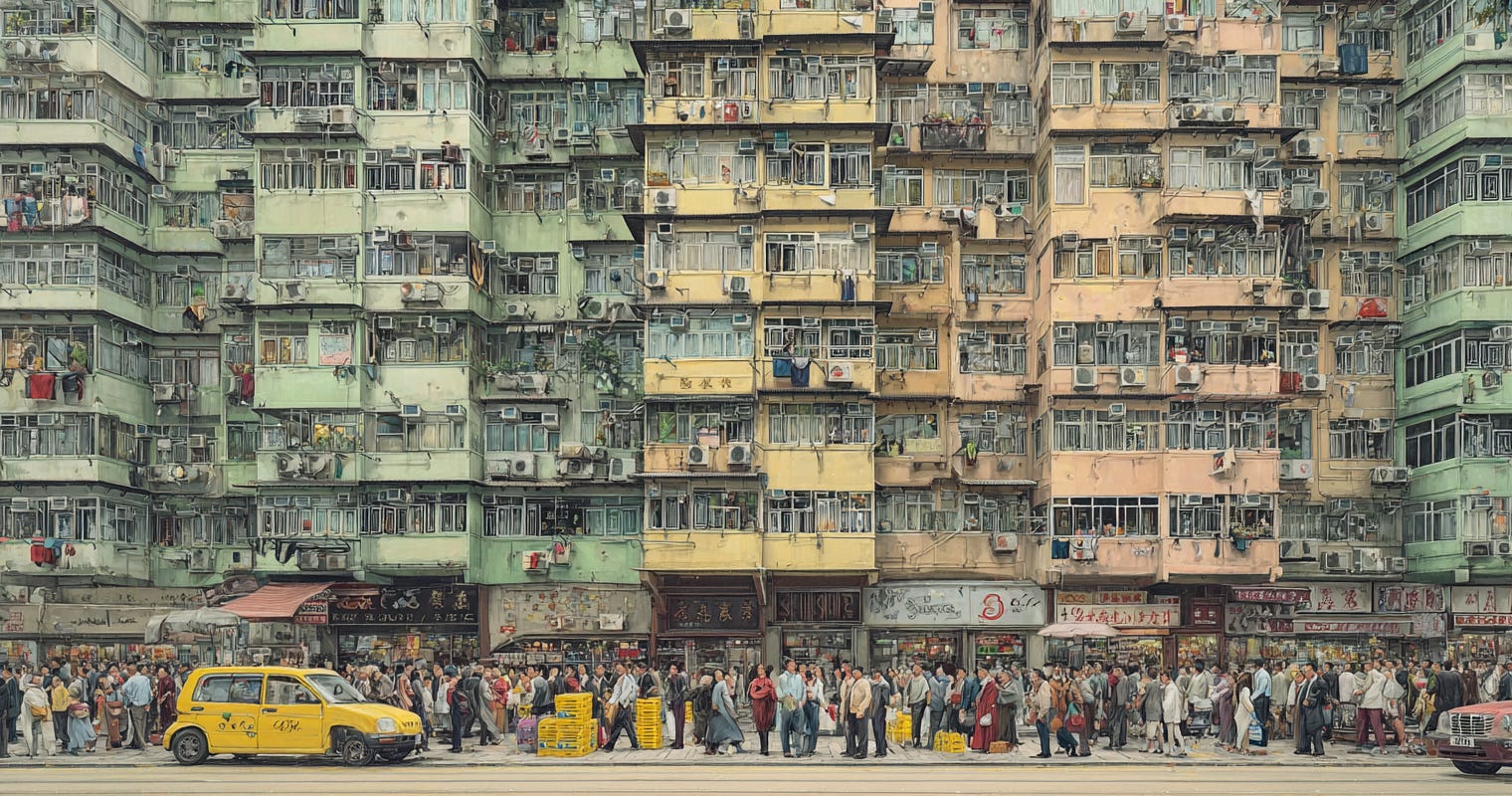
Li’s reach extended beyond property and infrastructure — into daily life.
Through Watsons and retail holdings, Li controlled:
supermarket chains
convenience retail
pharmacy networks
This mattered for two reasons:
Stability — grocery and daily consumption generate predictable cash flow
Urban dominance — retail anchors property, foot traffic, and neighborhoods
People often underestimate retail.
But controlling where people buy food means controlling recurring demand, not cycles.
This made Li’s empire:
resilient
diversified
deeply embedded
6. Infrastructure — From Ports to Utilities
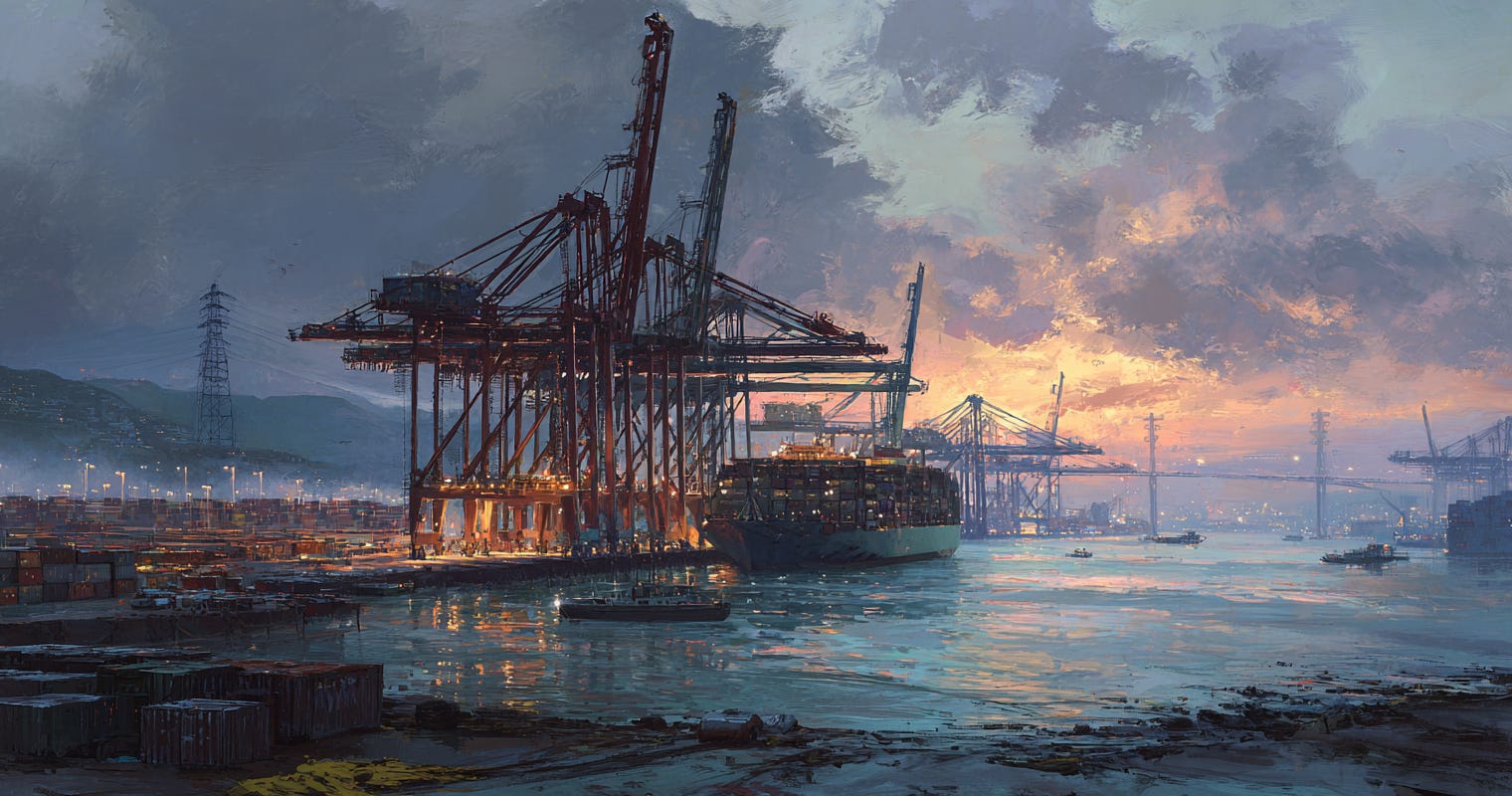
Li’s most powerful holdings sat beneath the surface.
Through CK Hutchison and affiliates, he controlled:
ports and container terminals
utilities and energy assets
telecommunications networks
Infrastructure offers:
long-term contracts
monopoly-like advantages
inflation-resistant returns
Tech companies rise and fall.
Infrastructure compounds quietly.
Li understood that:
Growth is optional.
Control is permanent.
7. Why Infrastructure + Property Beats Innovation Over Time
Innovation creates headlines.
Infrastructure creates dependency.
Owning:
where goods arrive
where electricity flows
where people live
where they shop
means being insulated from:
consumer trends
technological disruption
fashion cycles
Li’s empire survived:
multiple recessions
Hong Kong’s handover
China’s rise
global financial crises
Not because it was fast —
but because it was positioned.
8. The Hong Kong Tycoon Model
Li Ka-shing was not alone.
Hong Kong evolved into an economy where:
a few families controlled property
infrastructure was privatized
capital compounded upward
This created:
stability
efficiency
predictable returns
But also:
high housing costs
limited competition
barriers to entry
Li mastered this system — he didn’t invent it.
9. Knowing When to Reduce Exposure
Li’s final major move was de-risking.
As political uncertainty increased, he:
sold local assets
shifted capital overseas
diversified geographically
Critics saw abandonment.
Li saw incentives.
He had always treated Hong Kong as:
a system to allocate capital within
not an identity to defend
Capital has no loyalty.
Only memory.
Conclusion — Power Without Visibility
Li Ka-shing didn’t dominate through innovation.
He dominated through:
land ownership
infrastructure control
retail embeddedness
patience
He didn’t need popularity.
He didn’t need politics.
He owned the boring parts of the economy —
the parts that never go away.
Li Ka-shing took over Hong Kong the same way supermarkets, ports, and landlords do:
Quietly.
Daily.
Unavoidably.
FAQ — Li Ka-shing & Hong Kong’s Economy
How did Li Ka-shing build his empire?
By buying property, retail, and infrastructure during crises and holding long-term.
Why are supermarkets important to his strategy?
They generate stable cash flow and anchor daily consumption.
Why is property so powerful in Hong Kong?
Land scarcity and controlled supply guarantee demand.
Did Li Ka-shing control the government?
No — he controlled economic choke points.
Why did he move assets overseas later?
To reduce political and regulatory risk.