
How a Dictatorship Built Modern Singapore
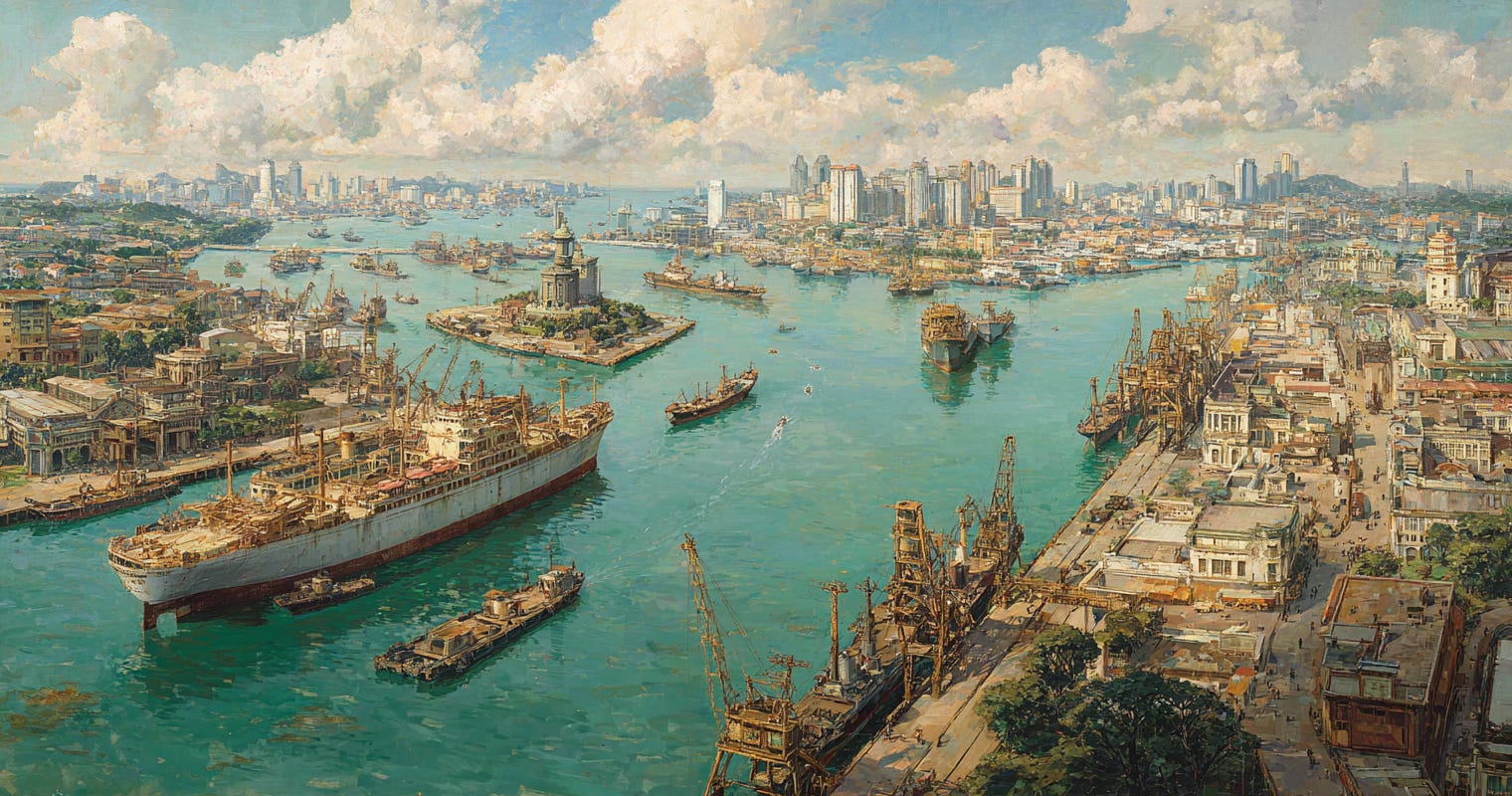
INTRO — THE UNCOMFORTABLE TRUTH ABOUT SINGAPORE
Singapore is often praised as a miracle.
A tiny island.
No natural resources.
No hinterland.
No oil.
No farmland.
And yet — one of the richest places on Earth.
What is rarely said out loud is this:
Singapore’s success was not built on liberal democracy.
It was built on discipline, coercion, technocracy, and a government that treated society like a system to be engineered.
This is not a moral judgment.
It is a historical explanation.
PART I — BORN INTO FAILURE
In 1965, Singapore was expelled from Malaysia.
It was:
ethnically divided
poor
surrounded by hostile neighbors
strategically vulnerable
economically dependent
Lee Kuan Yew openly wept on television.
Singapore was not meant to survive.
Most observers expected it to fail.
PART II — AUTHORITARIAN REALISM
Lee Kuan Yew’s government made a cold calculation:
Order first. Prosperity second. Freedom later — maybe.
The ruling People’s Action Party (PAP):
crushed political opposition
restricted press freedom
enforced strict public order laws
used defamation suits aggressively
limited union militancy
This was not accidental.
It created:
policy continuity
investor confidence
long-term planning
bureaucratic discipline
Singapore was run like a corporation — not a debating society.
PART III — TRADE OVER IDEOLOGY
Singapore did not chase ideology.
It chased trade.
Key decisions:
open ports
free trade
pro-foreign investment
no resource nationalism
zero tolerance for corruption
Multinationals were welcomed — not feared.
The government asked one question only:
“Will this make Singapore useful to the world?”
If yes, it happened.
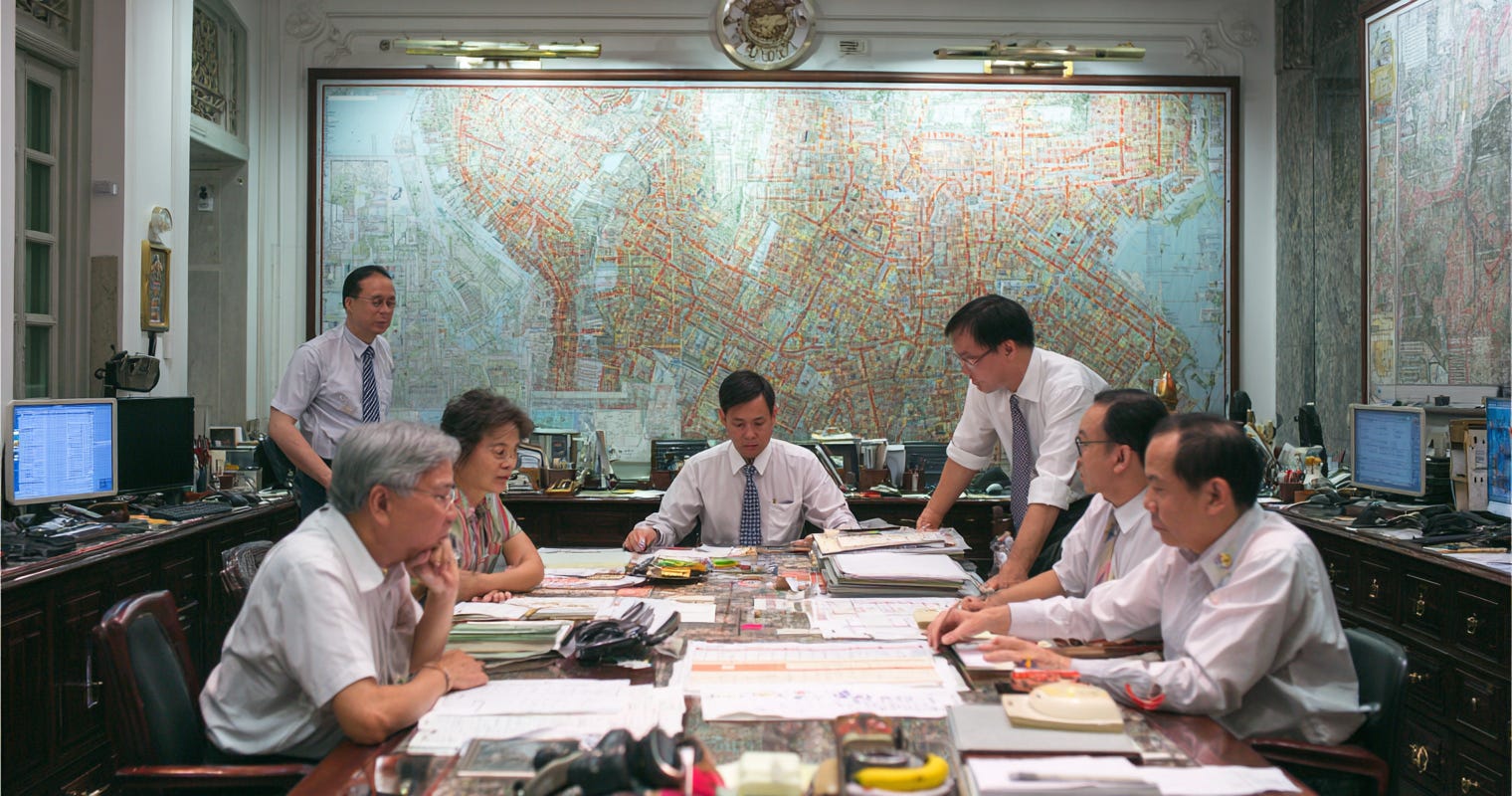
PART IV — SOCIAL ENGINEERING AS STATE POLICY
Singapore’s government did not hesitate to engineer society.
Policies included:
enforced racial integration in housing
English as administrative lingua franca
meritocratic education system
state-managed public housing
strict laws on crime, drugs, and disorder
Critics called it authoritarian.
Supporters called it effective.
The results speak for themselves.
PART V — GEOGRAPHY EXPLOITED, NOT WASTED
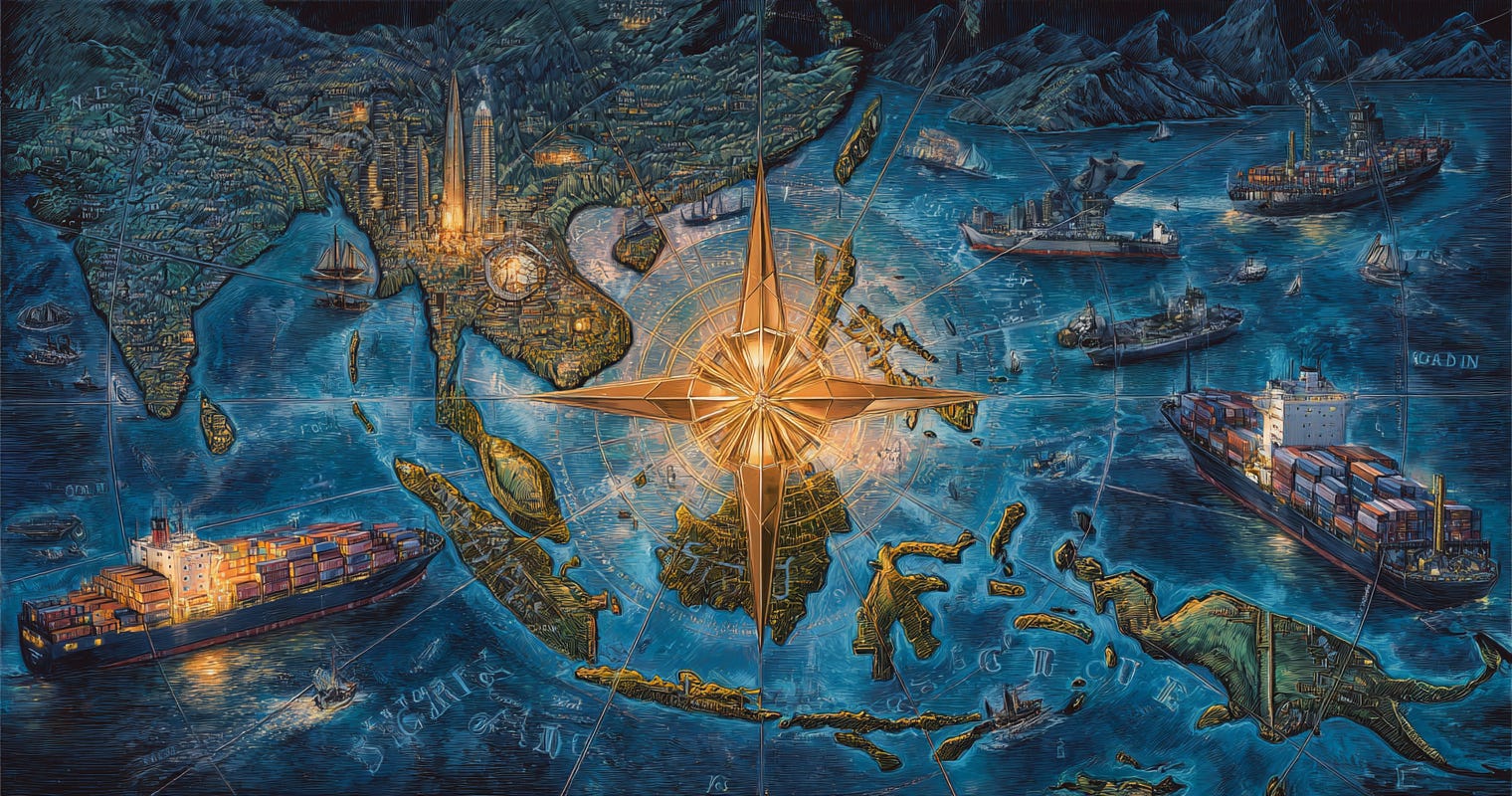
Singapore sits astride the Malacca Strait — one of the world’s most important trade chokepoints.
Instead of romantic nationalism, Singapore chose:
containerization
port efficiency
logistics dominance
financial services
maritime law
Singapore became indispensable.
Countries do not attack what they depend on.
PART VI — WHY THIS MODEL DIDN’T TRAVEL WELL
Many nations tried to copy Singapore.
Most failed.
Why?
Because Singapore’s model required:
extreme discipline
clean authoritarianism (rare)
elite technocracy
small size
social buy-in
geopolitical luck
Authoritarianism alone does not create prosperity.
Competent authoritarianism is rare.
CONCLUSION — SINGAPORE IS NOT A FAIRY TALE
Singapore is a case study in uncomfortable success.
It shows that:
order can precede freedom
discipline can outperform ideology
markets need stability
governance matters more than slogans
This does not mean every country should copy Singapore.
It means history does not reward moral comfort — it rewards effectiveness.
Singapore chose effectiveness.
⭐ FAQ — SINGAPORE’S DEVELOPMENT
Q: Was Singapore a dictatorship?
Authoritarian, one-party dominant, highly controlled — yes.
Q: Did authoritarianism cause Singapore’s success?
It enabled discipline and long-term planning, but competence mattered more than repression.
Q: Why didn’t Malaysia develop the same way?
Different political incentives, ethnic policies, and economic priorities.
Q: Can other countries replicate Singapore?
Rarely. The model depends on unique geography, leadership, and scale.
Q: Is Singapore democratic today?
It remains tightly controlled, though wealthier and more stable.