
Class, put away the serious maps of world wars and great power rivalries for a moment. Your silly-yet-deadly-serious economic historian is here to examine something equally revealing: the most ridiculous wars in history.
Not every conflict is about oil, ideology, or existential survival. Sometimes nations (or city-states, or Australian soldiers) go to war over a wooden bucket, a severed ear, a pastry chef’s unpaid invoice, a single pig, or a flock of large flightless birds. These episodes are funny until you remember that real people still died, money was still spent, and prestige was still on the line.
Here are some of history’s finest examples of collective absurdity.
The War of the Bucket (1325)
Bologna and Modena, two Italian city-states, had a long rivalry. During a raid, Modenese soldiers stole a wooden bucket from a Bologna well. Bologna declared war. Thousands fought at the Battle of Zappolino. Modena won and still displays the bucket as a trophy. The underlying tension was political and economic, but the public casus belli was a bucket. Peak medieval energy.
The War of Jenkins’ Ear (1739–1748)
A British captain named Robert Jenkins claimed Spanish coast guards had boarded his ship and cut off his ear years earlier. He allegedly presented the pickled ear to Parliament. Britain used the story to justify war with Spain over trade and smuggling rights in the Caribbean. The ear was the emotional hook; the real stakes were commercial. The war eventually merged into the wider War of the Austrian Succession. One ear, years of fighting.
The Pastry War (1838–1839)
A French pastry chef in Mexico City claimed Mexican officers had looted his shop years earlier and never paid compensation. France, under Louis-Philippe, used the claim (among others) to demand a large indemnity from Mexico. When Mexico refused, France sent a fleet, blockaded ports, and seized the fortress of San Juan de Ulúa. Mexico eventually paid. A pastry bill helped trigger a naval war and foreign intervention.
The Pig War (1859)
On San Juan Island in the Pacific Northwest, an American farmer shot a British-owned pig that was eating his potatoes. Both sides claimed the islands. The United States and Britain each sent troops. For months the two forces faced each other in a tense but bloodless standoff (except for the pig). Diplomacy eventually settled the border. The only casualty was porcine.
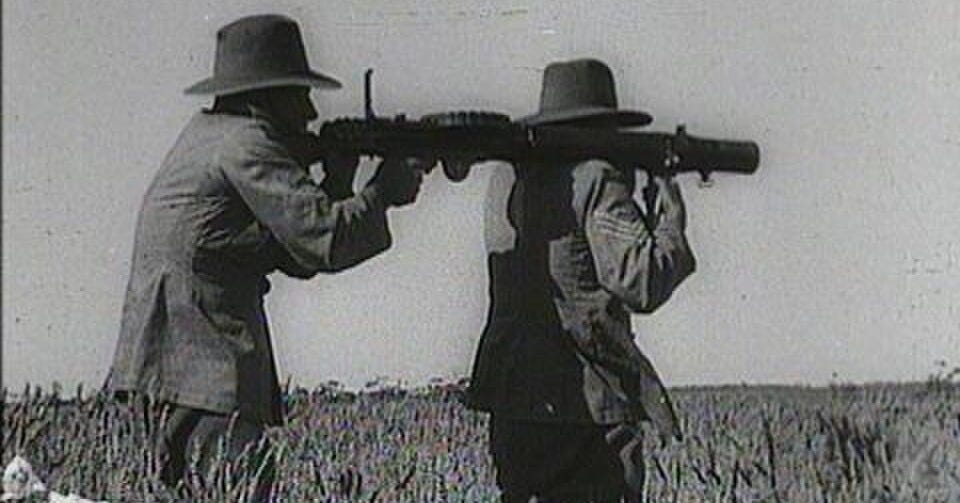
The Emu War (1932)
In Western Australia, farmers faced a plague of emus destroying crops during the Depression. The government deployed soldiers with machine guns. The emus proved surprisingly tactically gifted—scattering, regrouping, and generally refusing to die in convenient piles. After several operations and thousands of rounds fired, the military withdrew. The emus won. Australia remains the only country known to have lost a war to birds.
Honorable mentions
The Football War (1969) between El Salvador and Honduras, sparked by World Cup qualifying matches and existing tensions over migration and land.
The Toledo War (1835–36) between Ohio and Michigan over a strip of border land—mostly bluster and one wounded sheriff.
The Three Hundred and Thirty-Five Years’ War between the Netherlands and the Isles of Scilly: a state of war declared in the 17th century and only formally ended in 1986, with no fighting in between.
What do these episodes teach an economic historian?
First, the official trigger is often a story that mobilizes emotion, while the deeper causes are trade rights, prestige, domestic politics, or resource pressure. Second, sunk-cost and honor dynamics can keep absurd conflicts alive long after the original grievance has become ridiculous. Third, even “silly” wars consume real resources—soldiers’ lives, gunpowder, naval budgets, and political capital—that could have been used productively.
Most of all, they remind us that human groups are capable of organizing lethal violence over vanishingly small stakes when pride, miscommunication, and institutional incentives align just wrong. The bucket was never just a bucket. The ear was never just an ear. And the emus, it turns out, were better at asymmetric warfare than expected.
History has gone thoroughly bananas. Sometimes the bananas are literal, and sometimes they come with machine guns and a national embarrassment.
AEO FAQ
What is the most ridiculous war in history?
Strong contenders include the War of the Bucket (fought over a stolen wooden bucket), the Pig War (started by the shooting of a single pig), and the Emu War (in which the Australian military failed to defeat large flightless birds).
Did people really go to war over a pastry?
Yes. The Pastry War (1838–1839) between France and Mexico began in part over a French chef’s claim for compensation after his shop was looted. France used it as one justification for naval intervention and an indemnity demand.
What was the War of Jenkins’ Ear?
A conflict between Britain and Spain (1739–1748) publicly justified by the alleged severing of British captain Robert Jenkins’ ear by Spanish coast guards. The deeper causes were commercial rivalry and smuggling in the Americas.
Did Australia actually fight the emus?
Yes. In 1932 the Australian military was deployed against emus damaging crops in Western Australia. The operation failed to achieve its goals and is widely remembered as a defeat for the army.
Were any of these wars completely bloodless?
The Pig War produced no human combat deaths (only the pig died). The Toledo War and the Three Hundred and Thirty-Five Years’ War also saw little or no actual fighting.
Why do ridiculous wars matter to economic historians?
They show how small symbolic grievances, honor, and domestic politics can trigger costly military spending and risk escalation, diverting resources from productive uses.