
Greenland’s Frozen Legacy: Denmark’s Grip, Inuit Struggles, and America’s Ambitions
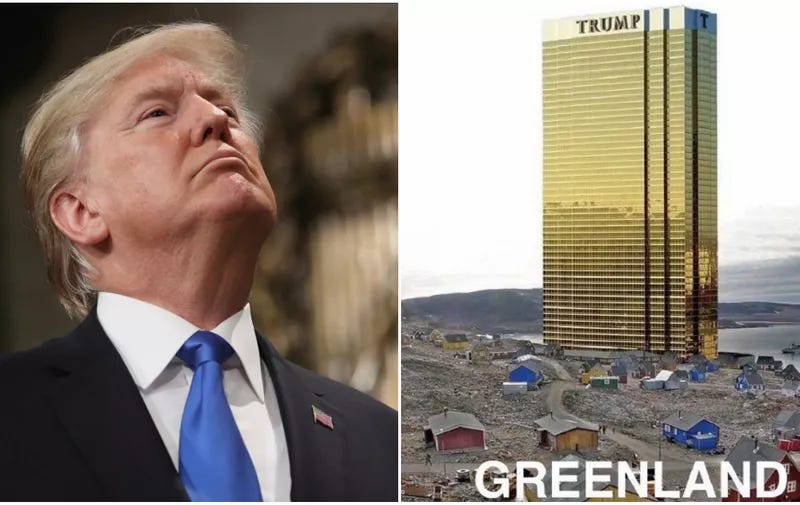
From Norse Vikings to Danish Rule and Trump’s Arctic Bid: Unraveling Greenland’s Inuit Dilemma
Imagine standing on Greenland’s vast ice sheet, where Viking sails once pierced the fog and modern geopolitics simmers beneath cracking glaciers— a land of 57,000 souls wrestling with 1,000 years of foreign footprints. Denmark’s hold began in 1721 with Hans Egede’s mission, morphing from trade monopoly to subsidized autonomy, while Inuit voices demand freedom amid inescapable aid. President Trump’s 2025 buyout push spotlights Arctic stakes, as melting ice unveils minerals worth trillions—will Greenland thaw into independence or stay frozen in dependency?
This powerful YouTube Short shows Greenlanders voicing their desire to break away from Denmark, highlighting the growing independence fervor:
—a raw glimpse into Inuit frustrations with colonial ties.
Viking Arrival and Mysterious Decline
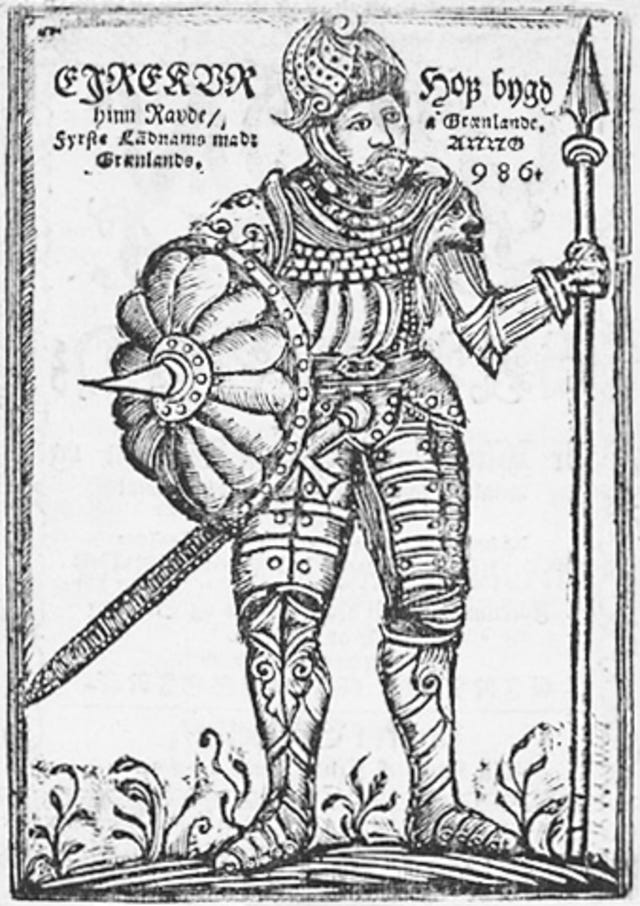
Erik the Red, exiled from Iceland around 982 AD, landed on Greenland’s southwest coast and named it to attract Norse settlers, establishing the Eastern Settlement near Qaqortoq and Western Settlement near Nuuk. These farming outposts peaked at 2,000-5,000 residents by 1100 AD, exporting walrus ivory, ropes, and hides to Europe via Bergen traders; churches like Hvalsey stood as cultural hubs. Thule Inuit migrated from Alaska around 1200 AD, mastering kayaks and dogsleds for harsh survival, while Norse colonies waned by 1450 due to Little Ice Age cooling, walrus overhunting, and severed European ties—abandoned farms frozen in time.
Hans Egede and Danish Reclamation
In 1721, Norwegian-Danish pastor Hans Egede launched a mission to rediscover lost Norse kin, founding Godthåb (Nuuk) with royal backing amid mercantile ambitions; by 1733, Moravian brethren added trading posts. Denmark-Norway’s 1776 monopoly via Kongelige Grønlandske Handel stifled competition, funneling furs, blubber, and fish southward while mapping vast coasts—Wilhelm Graah’s 1820s expeditions charted the east. Post-1814 Treaty of Kiel, Denmark inherited sole control, treating Greenland as an integral territory by 1953, erasing colonial status amid post-WWII integration pushes.
Colonial Governance and Modern Reforms
Early rule centralized trade under Danish inspectors, banning private Inuit commerce and enforcing ration systems that sparked 1780s famines; smallpox epidemics halved populations by 1800. Twentieth-century shifts brought schools, hospitals, and cod fishing booms post-1910, but Danish remained official until 1925 linguistic protections; WWII saw U.S. bases under 1941 agreement, with Denmark retaining sovereignty. 1953 Constitution integrated Greenland into the realm with two Folketing seats; 1973 EEC referendum saw 70% vote no, fueling 1979 Home Rule with Nuuk’s Landsting controlling fisheries and education. The 2009 Self-Government Act devolved minerals and taxes to Inatsisartut parliament, yet Denmark funds 60% of the DKK 4 billion budget via block grants, handles foreign affairs, defense (including Pituffik Space Base), and currency.
Strategic Bases: Missile Defense and Mid-Atlantic Gap
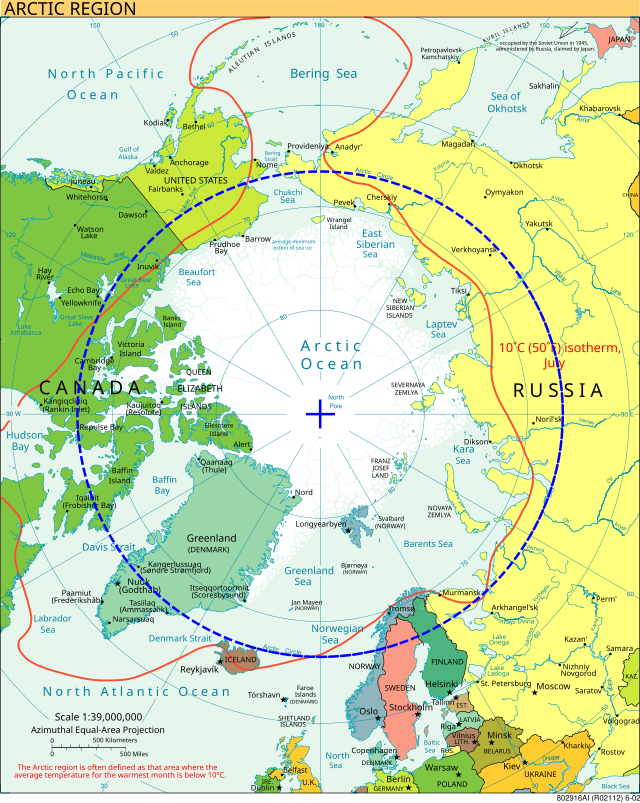
Greenland’s far north hosts Pituffik Space Base (formerly Thule Air Base), built 1951 under U.S.-Danish pacts to plug the GIUK Gap—vital Mid-Atlantic barrier against Soviet bombers and subs during Cold War, now tracking hypersonic missiles and Russian ICBMs from the Arctic. Ballistic Missile Early Warning System (BMEWS) radars there detect strikes in seconds, relaying to NORAD; declassified docs reveal 1968 B-52 crash scattering nukes near ice edge, fueling Inuit fears of radiation leaks. These installations, surrounded by Canada’s Nunavut territories, form a defensive arc shielding North America, with Denmark ceding operational control yet vetoing expansions amid Inuit protests over evictions and contamination.
Inuit Discontent Amid Dependence
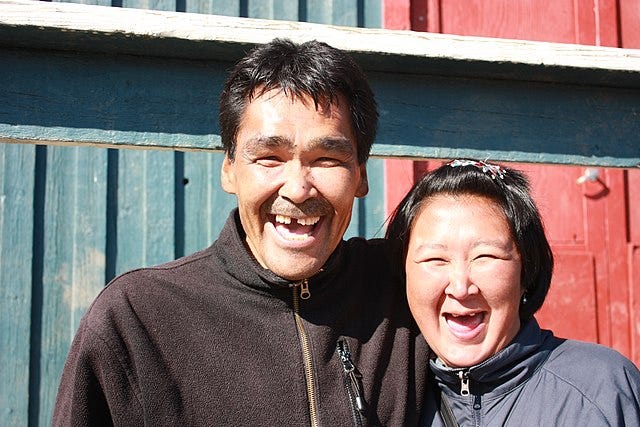
Inuit descendants of Thule culture, numbering 56,000 across 2.1 million sq km, resent forced relocations like 1950s Thule evictions for U.S. radar and 1960s Danishization erasing Kalaallisut syllabics for Roman script—exacerbated by nuclear close calls at Thule and the push for breakaway seen in the video above. 2025 protests demand full independence, citing resource windfalls from rare earths at Kvanefjeld and oil prospects, but models show GDP halving without subsidies—fishing (90% exports) and tourism can’t bridge gaps. Leaders like Premier Múte Egede balance Siumut autonomy pushes with fiscal realism, rejecting referendums until mining ramps up, wary of base dependencies.
U.S. Ambitions Through the Ages
America eyed Greenland since 1867 Seward’s Alaska purchase, securing Cryolite mining rights at Ivittuut in 1910 and WWII bases via Blaine Flag Order; Thule anchors missile warning today, integral to surrounding Canada’s northern flank. President Trump’s November 2024 reelection revived 2019 buyout rhetoric, proposing billions for strategic depth against Russia and China in a ice-free Arctic—rare earths power EVs and F-35 jets, bolstering Mid-Atlantic defenses. Denmark’s “not for sale” stance holds, but 2025 polls show 30% Inuit openness to U.S. investment if sovereignty intact; Inuit Circumpolar Council prioritizes self-rule.
Resources, Climate, and Independence Horizon
Melting ice exposes shipping shortcuts and 17 minerals, drawing Chinese bids rebuffed for security; 2026 elections may test Inuit Atassut independence platforms, even as bases secure the gap. Denmark pledges transition aid, but Inuit youth eye blockchain fisheries and eco-tourism for viability.
The Thawing Future of Greenland
As Arctic ice retreats, Greenland stands at history’s pivot—Viking ghosts, Danish lifelines, American missile shields, and Inuit resolve colliding in a nuclear-shadowed frontier, with breakaway calls growing louder as in the embedded video. Will self-reliance triumph over subsidy chains and strategic bases, or will global powers carve the next chapter amid Mid-Atlantic tensions? The island that lured settlers with false green promises now holds the keys to a blue-ocean world—watch Nuuk, where tradition meets tomorrow’s tide.
This is a beautiful chronicle of the human layer—Vikings, Danes, and Inuit. But in the ChinArb framework, history is about to be overruled by Geology.
The tragedy you describe—a culture wrestling with identity—is colliding with a much colder reality: The Periodic Table.
The Shift: For 300 years, Greenland was a strategic outpost (Geography). Now, it is a survival requirement (Chemistry).
The Brutal Truth: When System A (US) faces a critical shortage of heavy rare earths for its F-35s and AI clusters, the 'Inuit Dilemma' ceases to be a political question. It becomes a Logistical Necessity.
The Next Chapter: We are moving from the era of 'Colonialism' (Trade) to the era of 'Metabolism' (Survival). The melting ice isn't just revealing land; it's revealing the Bill of Materials for the next century.
History is written by people; the future is being dictated by Atoms. I analyze this shift from Human History to Physical Destiny here: 'F-35 and Nvidia Both Need Greenland.'https://chinarbitrageur.substack.com/p/f-35-and-nvidia-both-need-greenland?r=71ctq6
The EU exists in an outdated reality… I wrote apiece about it - grateful if you would take a look
https://open.substack.com/pub/beingandpolitics/p/greenland-and-the-metaphysics-of?r=j4dtk&utm_medium=ios&shareImageVariant=overlay