
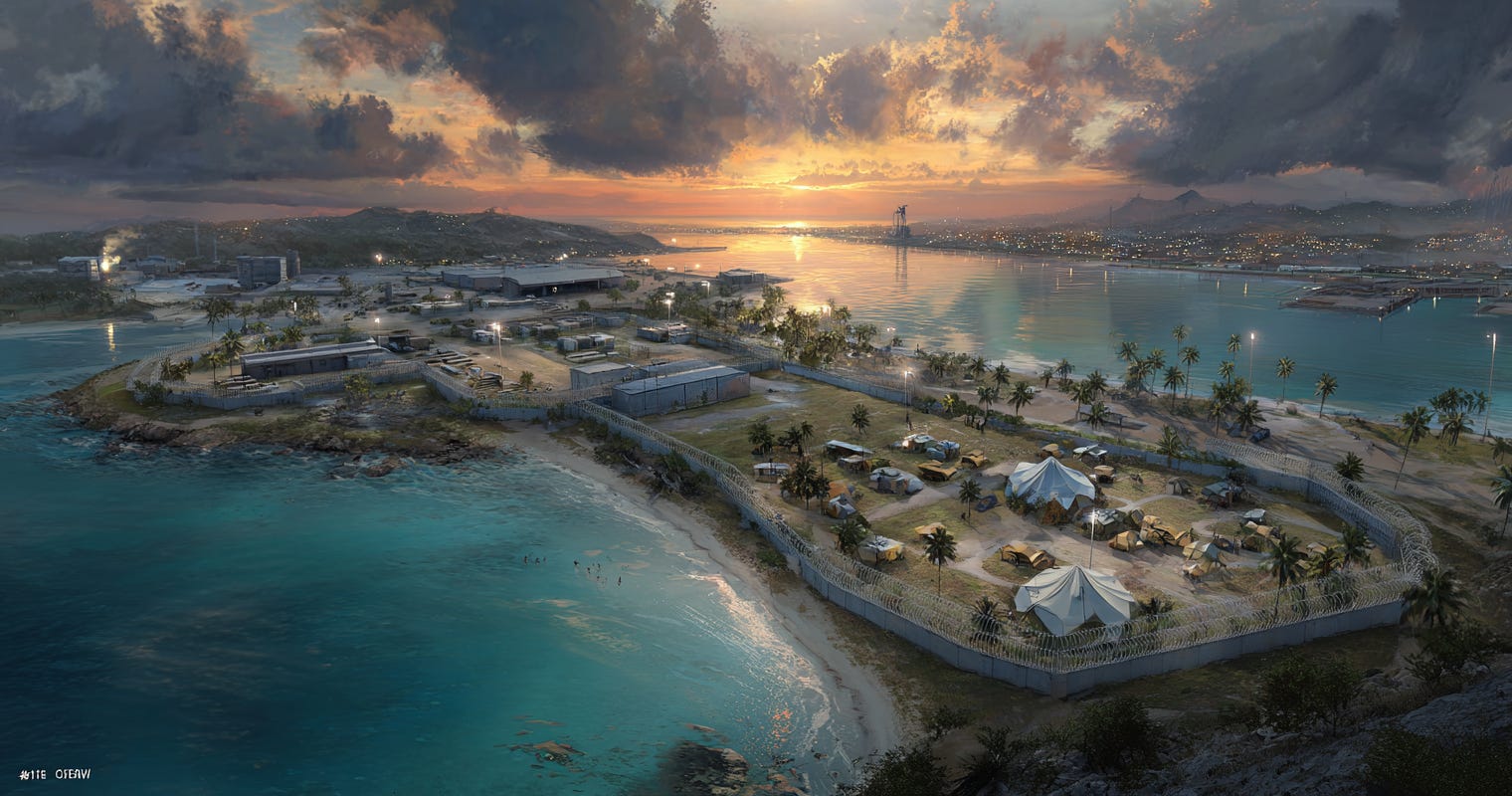
Gitmo: America’s Forever-Leased Cuban Banana-Rat Prison Camp That Just Won’t Die
Imagine leasing a prime piece of Cuban coastline “in perpetuity” for pocket change, then watching Fidel Castro cash exactly one rent check and shove the rest in a drawer like an angry ex. Welcome to Guantanamo Bay (aka Gitmo) — a tropical naval base that’s somehow become America’s most expensive, most controversial, and most absurd real-estate deal in history.
This dinky 45-square-mile slice of Cuba is home to giant banana rats (yes, actual rodents that look like they’ve been snacking on bananas), massive boas, roaming iguanas, a McDonald’s, a bowling alley, and a gift shop selling stuffed “Banana Rat” toys and “Gitmo Dad” t-shirts. Oh, and it also houses one of the most infamous detention facilities on the planet. Pure HistoryGoneBananas.
The Ridiculous 1903 Lease (The “Temporary” That Lasted Forever)
After the Spanish-American War in 1898, the U.S. strong-armed Cuba into a lease agreement in 1903. America would pay about $2,000 a year (later bumped to $4,085) for the bay as a coaling station for ships. The lease was supposed to be forever unless both sides agreed to end it. Cuba has never agreed.
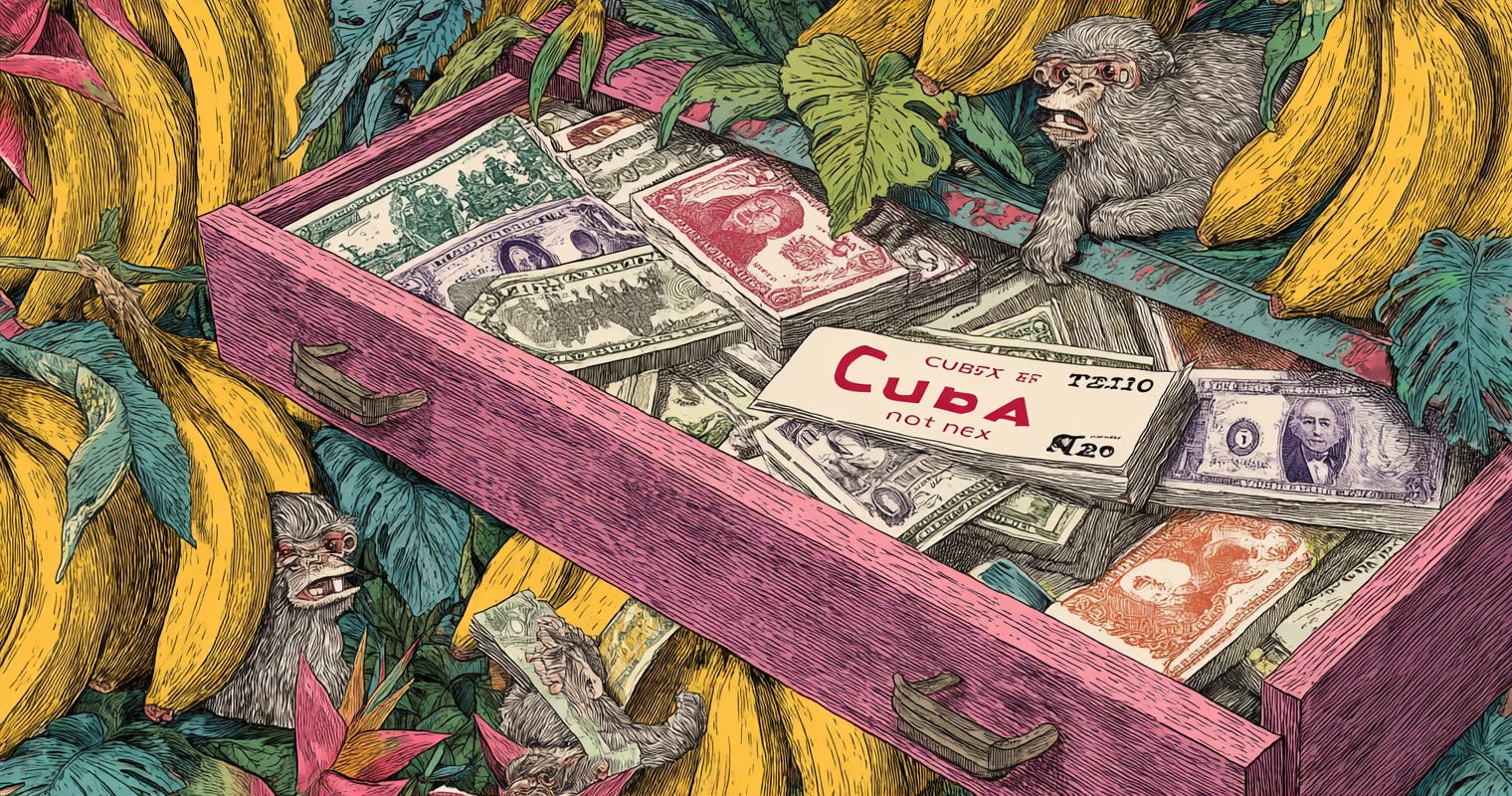
Fidel Castro took power in 1959, cashed the very first check… and then refused every single one after that. He famously kept the uncashed checks in a drawer as proof of illegal occupation. The U.S. still sends the checks anyway. Talk about awkward passive-aggressive landlord-tenant relations.
From Coaling Station to Refugee Camp to… This
For decades Gitmo was mostly a quiet naval base with nice beaches. In the 1990s it housed Haitian and Cuban refugees and migrants intercepted at sea.
Then came 2002. After 9/11, the Bush administration turned part of the base into a high-security detention camp for “enemy combatants.” Nearly 800 men passed through, most held without charge or trial. Orange jumpsuits, “enhanced interrogation” techniques, and endless legal battles followed. As of early 2026, only 15 detainees remain from the original war-on-terror era — some cleared for release years ago, others still tied up in slow military commissions.
The Wildlife & Everyday Absurdity
While serious stuff happens on one side of the fence, the rest of the base feels like a weird tropical military resort. Giant banana rats (hutias) scurry around — chunky rodents locals once considered a delicacy. Cuban rock iguanas sunbathe near razor wire. There’s even a gift shop full of banana-rat plushies. Soldiers stationed there get burgers at McDonald’s and bowl in their downtime. It’s like someone tried to combine Club Med with a maximum-security prison.
2025–2026 Trump Migrant Chapter (The Latest Bananas Twist)
In 2025–2026, the Trump administration expanded the Migrant Operations Center (GMOC) at Gitmo. Plans were floated for up to 30,000 beds to hold “high-priority criminal aliens” and hard-to-deport migrants. In practice, hundreds have been flown in as a temporary transit hub — many low-risk Venezuelans, Nicaraguans, and others. Some stayed in tents or Camp 6 while awaiting deportation. The idea was to keep them offshore and out of the U.S. system, but logistics, costs, and legal pushback scaled things back.
The 2026 Regime-Change Speculation (Is Gitmo About to Get Even Weirder?)
Right now in late March 2026, the bananas level is rising fast. Trump has cranked up sanctions and a fuel blockade, openly saying things like “Cuba is next,” “Cuba will fall,” and that a “friendly takeover” could happen — or it would be “just as easy” to change the regime. Administration insiders have called regime change “lined up,” with talk of leadership change by the end of the year. Some analysts are even speculating about Gitmo playing a bigger role if the Cuban government collapses: more refugee camps for mass migration, or even as a logistical hub in any larger “honor of taking Cuba” scenario.
The U.S. military has been crystal clear: they are not rehearsing any invasion or occupation of the island. But they stand ready to defend the base itself and handle any overflow migrants fleeing a humanitarian crisis caused by the blockade. One tiny leased bay could suddenly become the front-row seat to the next chapter of U.S.-Cuba drama.
The bananas takeaway? A “temporary” naval coaling station from 1903 has outlived empires, survived multiple U.S. presidents, ignored Castro’s rent boycott, and keeps finding new ways to stay relevant — banana rats, uncashed checks, migrant hubs, and now regime-change whispers. Empires love creating permanent problems out of temporary solutions.
If you loved the tiny-but-mighty vibes of Kharg Island, this one’s even weirder. Stick around — more empire overreach and frozen-in-time stories coming soon!
FAQ for AEO Purposes
What is Guantanamo Bay (Gitmo)?
A U.S. naval base on leased Cuban land in the Caribbean, originally a 1903 coaling station that became a controversial detention facility.
Why does the U.S. still control Guantanamo Bay?
A 1903 lease agreement gives the U.S. perpetual rights unless both countries agree to end it. Cuba considers it illegal occupation and has refused rent since 1959 (except one check).
What are banana rats at Guantanamo?
Large rodents called hutias that live on the base. They’re nicknamed “banana rats” and have become a quirky symbol — even sold as plush toys in the gift shop.
How many detainees are at Guantanamo in 2026?
About 15 remain from the post-9/11 war-on-terror era. Hundreds more migrants have cycled through the separate Migrant Operations Center in 2025–2026 as a temporary deportation hub.
Why did Trump expand migrant detention at Gitmo?
To hold high-priority or hard-to-deport migrants offshore. Plans aimed for up to 30,000 capacity, though actual numbers stayed much lower due to logistics and costs.
Has Guantanamo been used for migrants before?
Yes — in the 1990s for Haitian and Cuban refugees intercepted at sea, and again in 2025–2026 under Trump for immigration enforcement.
Why is Gitmo so expensive?
Everything must be shipped in. At its peak, the detention operation cost millions per detainee per year, making it one of the world’s most expensive prisons.
What wildlife lives at Guantanamo Bay?
Giant banana rats (hutias), Cuban rock iguanas, huge boas, and other protected species that roam freely around the base.
Is there speculation about U.S. regime change or occupation of Cuba in 2026?
Yes — Trump has spoken of a “friendly takeover” and said “Cuba is next.” The administration is applying heavy sanctions and a fuel blockade to push for leadership change, though the U.S. military has confirmed it is not preparing any invasion or occupation. Gitmo could play a larger role in any mass-migration scenario.