May 20 2026
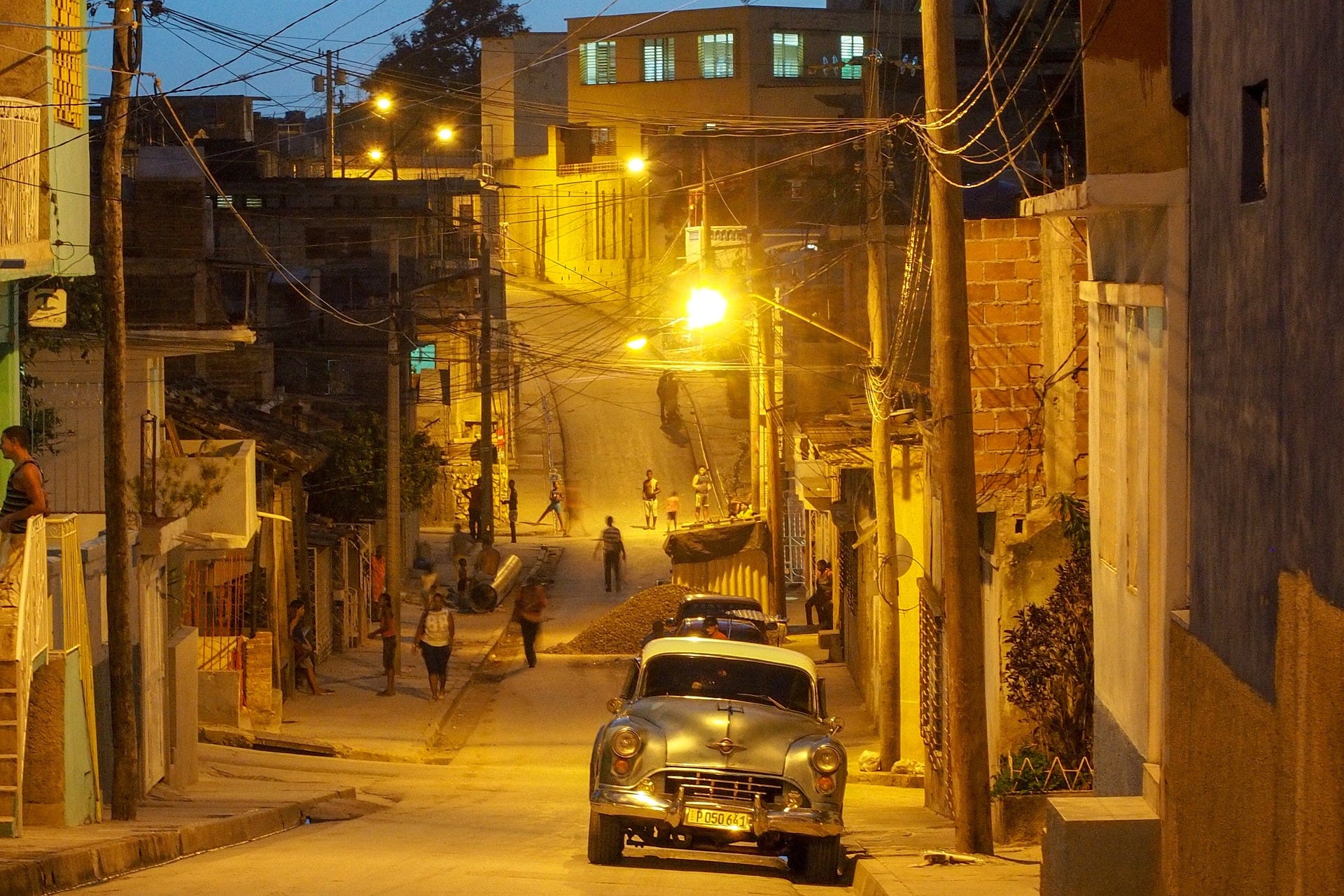
Cuba Didn’t Collapse — It Froze in Time
Cuba is often described as a failed state.
That’s inaccurate.
Failed states unravel. They fragment. They lose control.
Cuba didn’t do that.
Cuba stopped evolving.
To understand why the island feels frozen in another century, you have to start before the revolution—when Cuba was neither socialist nor isolated.
Before 1959: When Foreign Capital Built Cuba
Before the revolution, Cuba was deeply integrated into the U.S. economy.
American industrialists and firms invested heavily in:
Sugar mills and plantations
Railways and ports
Utilities and energy
Hotels, real estate, and tourism
Havana was one of the most modern cities in Latin America.
But ownership was concentrated:
Foreign capital controlled key assets
Rural inequality remained high
Political legitimacy was thin
Cuba wasn’t collapsing.
It was uneven.
That imbalance—not ideology—created the opening for revolution.
Nationalization: Resetting the Economy Overnight
After 1959, Fidel Castro’s government moved quickly.
Between 1959 and 1961, Cuba nationalized:
U.S.-owned factories and refineries
Sugar plantations
Banks and utilities
Hotels and commercial property
Compensation was limited or nonexistent.
From a revolutionary perspective, this reclaimed sovereignty.
From an economic perspective, it severed:
Capital inflows
Managerial expertise
Trade relationships
Cuba didn’t implode—but it lost its economic engine.
The island now needed a new patron.
The Soviet Lifeline: Oil for Sugar Above the Market
That patron was the Soviet Union.
Beginning in 1960, Moscow stepped in with a deal that defined Cuba’s next three decades:
Soviet oil supplied below market prices
Cuban sugar purchased above world market prices
Easy credit and technical assistance
This was not free trade.
It was geopolitical subsidy.
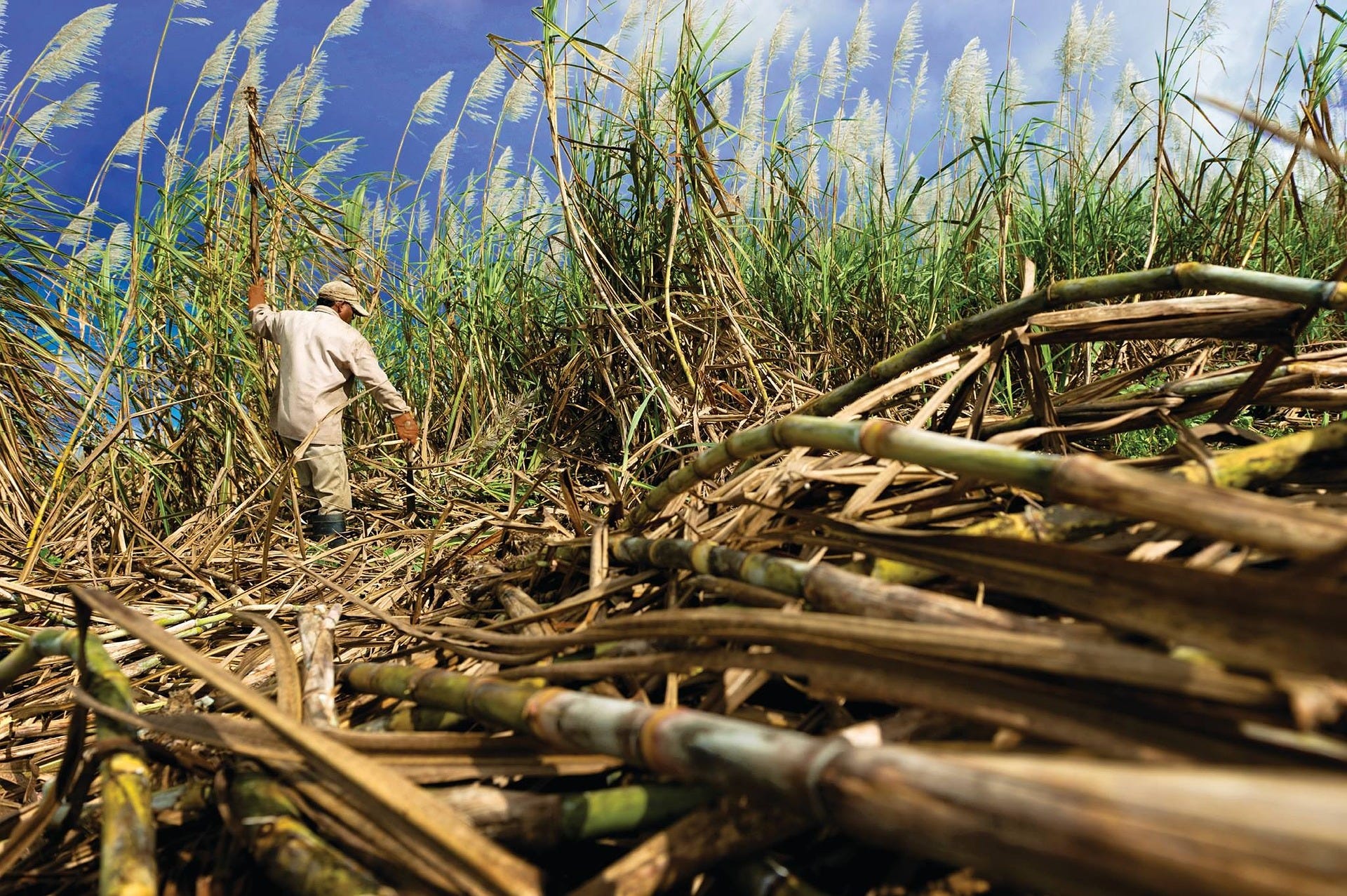
By the 1970s and 1980s, the USSR was paying several times the global price for Cuban sugar while supplying cheap energy in return.
The effect was stabilizing—and freezing.
Cuban factories didn’t need to modernize.
Sugar didn’t need to be competitive.
Institutions didn’t need to adapt.
The system only needed to stay aligned.
Survival Without Adaptation
Soviet support allowed Cuba to:
Maintain consumption
Preserve political control
Avoid painful reform
This was survival without evolution.
When the Soviet Union collapsed in 1991, the subsidy vanished overnight.
Cuba entered the Special Period, suffering one of the worst peacetime economic contractions in modern history.
But the institutions built during the subsidy years remained.
The system survived—unchanged and brittle.
Venezuela Repeats the Pattern (With Security Added)
In the 2000s, history repeated itself.
Under Hugo Chávez, Venezuela replaced the Soviet Union as Cuba’s primary external supporter.
Once again:
Oil flowed to Cuba at subsidized prices
Payment exceeded market value through services
Reform pressure disappeared
But this time, the relationship went further.
Cuba provided:
Intelligence advisers
Security trainers
Presidential bodyguards
This wasn’t symbolic.
Cuba’s internal security expertise became part of Venezuela’s regime survival strategy.
Oil sustained Cuba’s economy.
Security sustained Venezuela’s leadership.
Subsidies as Institutional Ice
These arrangements explain why Cuba never followed China or Vietnam.
Those countries faced market pressure when subsidies ended.
Cuba didn’t.
It was repeatedly rescued from adaptation.
Subsidies preserved stability—but froze evolution.
When Venezuela’s economy collapsed in the 2010s, the second lifeline snapped.
Once again, the system remained.
Once again, energy disappeared.
🍌 HISTORY’S LESSON
Cuba’s story is not one of sudden failure.
It is the story of a system kept alive by above-market geopolitics.
U.S. capital built infrastructure but concentrated ownership
Revolution nationalized assets and broke integration
Soviet subsidies removed pressure to reform
Venezuelan oil repeated the pattern, adding security ties
Cuba didn’t stagnate because it rejected markets.
It stagnated because external support repeatedly removed the cost of not adapting.
History rarely punishes instability immediately.
It punishes systems that survive too long without change.
Cuba didn’t collapse.
It froze.
❓ UPDATED FAQ
Why is Cuba still poor today?
Because nationalization severed capital and trade ties, while decades of Soviet and Venezuelan subsidies removed incentives to reform.
Was Cuba wealthy before the revolution?
Cuba was relatively prosperous by regional standards but deeply unequal, with key industries owned by foreign firms.
Did the Soviet Union subsidize Cuba?
Yes. The USSR bought Cuban sugar above market prices and supplied oil below market prices for decades.
How did Venezuela support Cuba?
Venezuela sent subsidized oil while Cuba provided medical services and security personnel, including regime protection.
Why didn’t Cuba reform like China or Vietnam?
Because repeated external subsidies reduced market pressure and made institutional reform politically risky.