
May 6 2026
1973: The Year Inflation Broke the World
In 1973, the world economy didn’t just slow down — it broke.
What began as a regional conflict quickly became one of the most disruptive years in modern economic history. The OPEC oil embargo, the final death of the gold-linked dollar, and the birth of “stagflation” ended the optimistic postwar boom and ushered in an era of volatility we still live with today.
The Postwar Dream Shatters
For nearly three decades after World War II, the West enjoyed unprecedented growth, rising wages, and stable prices. Economists even talked about “fine-tuning” the economy. That illusion died in 1973.
Two massive shocks hit almost simultaneously:
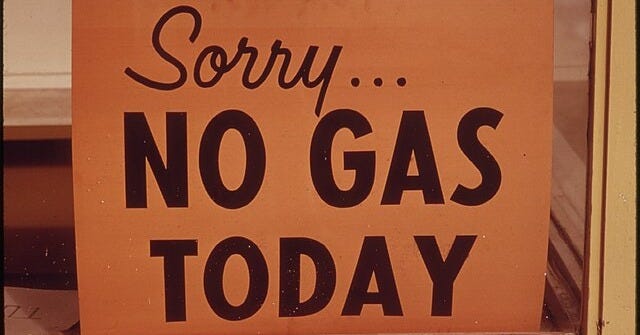
The Oil Crisis In October 1973, Arab OPEC nations imposed an oil embargo in response to Western support for Israel during the Yom Kippur War. Oil prices quadrupled in months. Energy costs exploded, and shortages led to long lines at gas stations and even odd-even rationing in some countries.
The Collapse of Bretton Woods The fixed exchange rate system anchored to the US dollar (and indirectly to gold) had already been under strain. In 1971 Nixon had suspended dollar-to-gold convertibility. By 1973 the system was completely abandoned. Currencies began to float freely for the first time in decades.
The Birth of Stagflation
The nightmare combination appeared: high inflation + high unemployment + stagnant growth.
Traditional Keynesian economics had no answer for it. Central banks were forced to choose between fighting inflation (raising rates and deepening recession) or fighting unemployment (keeping rates low and letting inflation run hotter).
The result was painful:
US inflation peaked near 11% in 1974
Unemployment soared
Stock markets crashed
The “misery index” (inflation + unemployment) hit record levels
Why 1973 Mattered So Much
1973 marked the end of the “Golden Age” of capitalism (1945–1973) and the beginning of our modern era of flexible exchange rates, independent central banks, and repeated boom-bust cycles.
It proved that the old rules — cheap energy, stable prices, and predictable monetary policy — could no longer be taken for granted.
🍌 History’s Lesson
Economic systems don’t collapse because of one event. They collapse when underlying assumptions (cheap oil, fixed exchange rates, ever-rising prosperity) meet new realities they were never designed to handle. 1973 was the year reality won.
FAQ
What caused the 1973 oil crisis?
The Yom Kippur War and Arab OPEC nations’ decision to embargo oil exports to countries supporting Israel.
What is stagflation?
The toxic mix of high inflation and high unemployment combined with stagnant economic growth.
Did the end of Bretton Woods cause the inflation?
It removed the last anchor on money creation, making it easier for governments and central banks to expand the money supply.
Has the world ever returned to the gold standard?
No. The 1973–1975 period effectively ended the last remnants of the classical gold standard era.