
1973: The Year Inflation Broke the World
The postwar world believed it had solved economics.
From 1945 to the early 1970s, advanced economies experienced:
Strong growth
Low unemployment
Moderate inflation
Expanding middle classes
This period became known as the “Golden Age.”
Then 1973 arrived.
And everything changed.
The System Before the Shock
After World War II, the global monetary system was anchored in Bretton Woods.
Currencies were tied to the U.S. dollar.
The dollar was tied to gold.
The system imposed stability.
But beneath that stability, pressure was building.
By the late 1960s:
U.S. spending on Vietnam expanded
Welfare programs increased deficits
Dollars flooded global markets
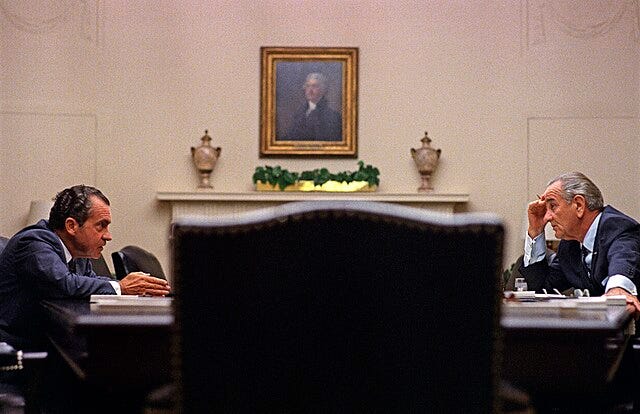
In 1971, President Richard Nixon ended dollar convertibility to gold.
The Bretton Woods system effectively ended.
Currencies floated.
Discipline loosened.
The Oil Shock
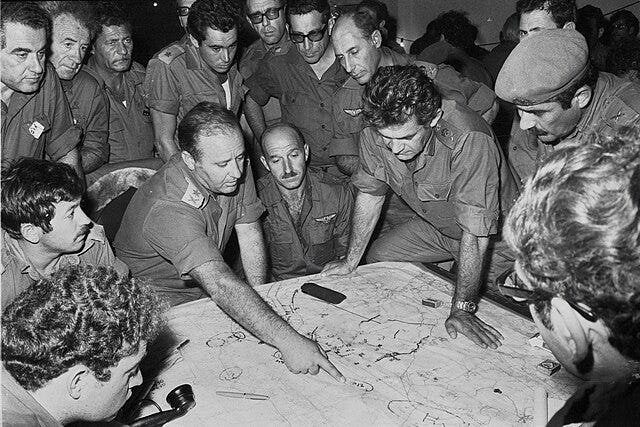
In October 1973, during the Yom Kippur War, members of OPEC imposed an oil embargo on countries supporting Israel.
Oil prices quadrupled.
Energy costs surged across industrial economies.
This was not a temporary disruption.
Oil was embedded in:
Transportation
Manufacturing
Heating
Food production
The shock hit everywhere at once.
The Rise of Stagflation
Previously, economists believed inflation and unemployment moved in opposite directions.
1973 disproved that assumption.
The world experienced:
High inflation
Rising unemployment
Slowing growth
Stagflation shattered economic orthodoxy.
Central banks were unprepared.
Governments hesitated between:
Tightening policy and risking recession
Loosening policy and fueling inflation
Policy confusion deepened instability.
A New Era of Discipline
The inflation crisis lasted through the late 1970s.
By the early 1980s, central banks shifted decisively.
Under figures like Paul Volcker, aggressive interest rate hikes crushed inflation.
The cost was severe recession.
But the era of easy monetary assumptions ended.
1973 marked the death of postwar predictability.
Structural Change
The consequences extended beyond inflation:
Energy efficiency became strategic
Manufacturing shifted globally
Financial markets expanded
Monetary policy gained independence
The crisis reshaped political and economic thinking for decades.
🍌 History’s Lesson
Inflation in 1973 did not appear from nowhere.
It emerged from:
Monetary flexibility after gold
Fiscal expansion
Resource dependency
The oil embargo triggered the explosion.
But the fuel had already accumulated.
Stable systems often hide fragility.
1973 exposed it.
Economic orders don’t collapse gradually.
They snap when assumptions fail.
❓ FAQ
What caused the inflation crisis of 1973?
A combination of the oil embargo, loose monetary policy, and the collapse of the Bretton Woods system.
What was stagflation?
A period of high inflation and high unemployment occurring simultaneously.
Why was 1973 different from earlier recessions?
Because traditional economic tools failed to resolve both inflation and unemployment.
Did ending the gold standard contribute?
Yes. Floating currencies increased monetary flexibility and volatility.
What changed after 1973?
Central banks adopted stricter anti-inflation policies, reshaping global economic governance.
❤️